Blog
Of Mice and Men… and Minoxidil

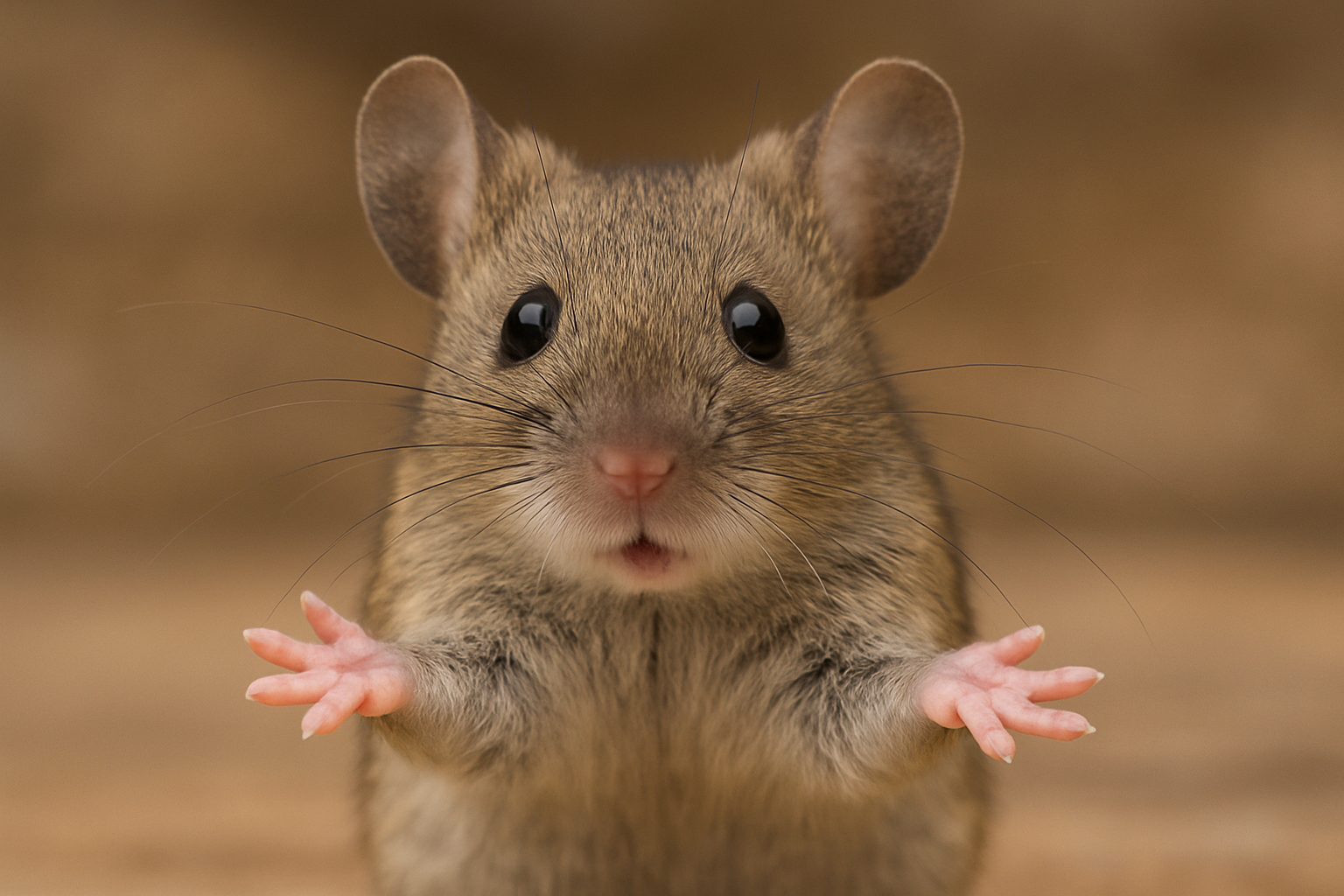
Why laboratory mice remain at the center of hair-loss research—and what that means for progress, ethics, and human application
Mouse models have long been the silent workhorses of biomedical science—tiny mammals that help unlock big mysteries. Nowhere is this more true than in the search for hair-loss solutions. Whether the goal is to reverse male pattern baldness or regenerate damaged follicles, chances are the journey begins with a shaved mouse in a lab.
But why are mice still the default subjects for so many hair-growth experiments? What has their fur taught us about human hair biology? And what are the limitations of this reliance as we edge closer to next-generation therapies?
Why Mice?
Globally, mice account for a large majority of research animals—up to 100 million are used annually in labs across the U.S., though exact counts vary due to differing regulations. In the UK, mice represented around 73% of all laboratory rodent use as of 2015. Their dominance stems from several key advantages: affordability, rapid reproduction, small housing needs, and well-mapped genetics. In particular, C57BL/6 mice are the industry standard, offering consistent results across trials.
For hair-loss research, mice offer one more benefit: their hair cycles closely mimic that of humans. Follicles move through defined phases of growth (anagen), regression (catagen), and rest (telogen), making it easy to measure the effects of drugs designed to stimulate new hair.
Tools for Testing
Hair-growth studies often begin by shaving mice during the telogen (resting) phase, then observing how new growth emerges. Compounds like minoxidil, finasteride, or experimental agents are then applied or injected to monitor regrowth patterns.
In androgenetic alopecia models—used to simulate male-pattern baldness—mice are given testosterone or dihydrotestosterone to suppress follicle activity. Anti-androgens or growth stimulants can then be tested for efficacy.
Another commonly used model is the autoimmune form of alopecia areata, in which mice are genetically or chemically induced to attack their own follicles. These models are key to testing immunomodulating agents and biologics.
Breakthroughs That Started with Mice
Recent years have yielded several compelling advances in hair-growth therapies—all made possible through mouse studies.
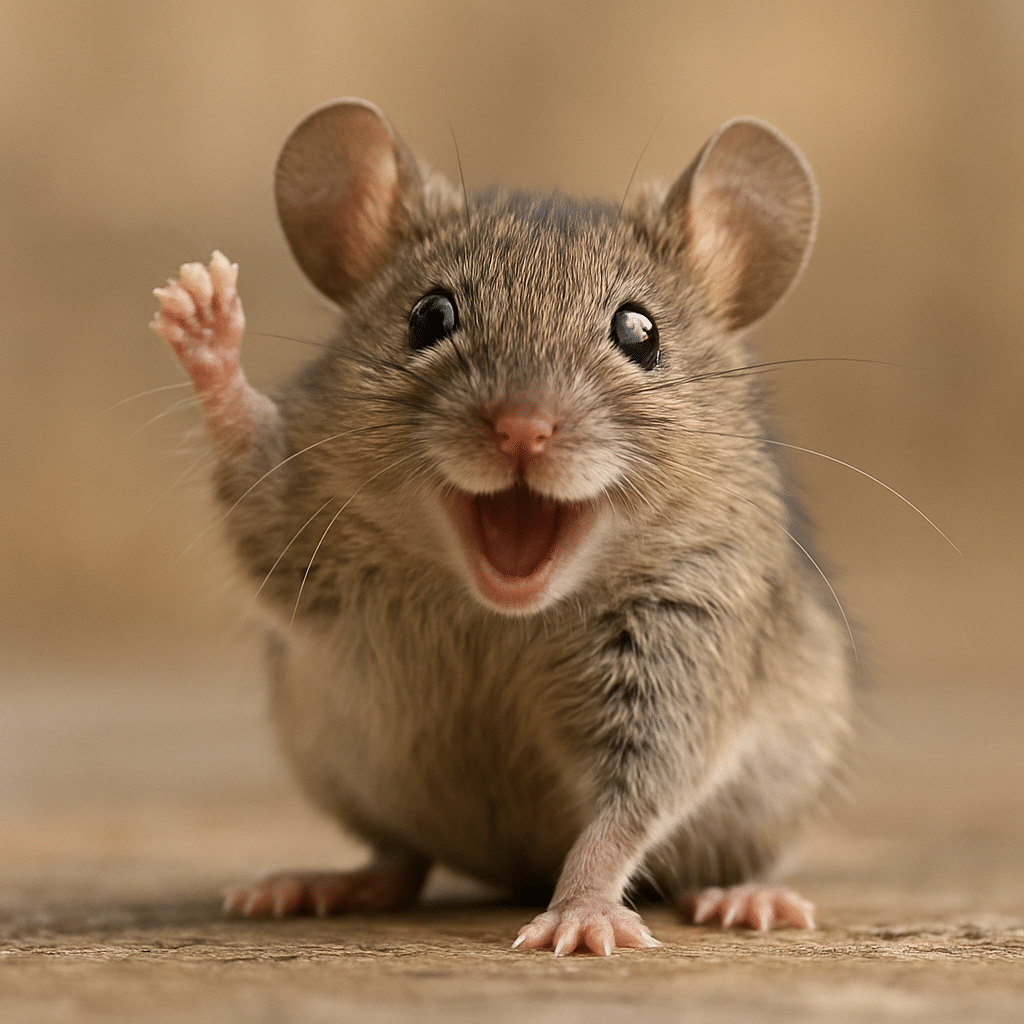
- Stem cells + ATP: A Spanish research team led by Dr. Eduardo López Bran reported that injecting mice with adipose-derived stem cells and ATP led to full or near-full fur regrowth in 100% of male mice and 90% of females. This work, published in Stem Cell Research & Therapy, could pave the way for regenerative therapies without hormones or surgery.
- Deoxyribose gel: A joint project by the University of Sheffield and COMSATS in Pakistan found that a sugar-based hydrogel containing 2-deoxy-D-ribose (2dDR) promoted angiogenesis in shaved mice, matching the results of minoxidil in restoring fur. This was originally investigated for wound healing, but researchers noticed the unexpected side effect of rapid hair regrowth.
- SCUBE3 protein therapy: At UC Irvine, Dr. Maksim Plikus and his team identified that the signaling protein SCUBE3, secreted by senescent skin cells, could awaken dormant follicles in mice. The treated areas showed dense fur return, offering a new path for reactivating follicular growth in aging skin.
- Small molecule DN106212: Researchers in South Korea discovered that this natural compound, tested on mice with androgenetic alopecia, boosted growth-related gene expression (VEGFA, IGF1) while reducing inflammatory markers. DN106212 outperformed tofacitinib in early mouse models.
These and other studies demonstrate how rodents help identify, refine, and verify new classes of treatments long before human trials begin.
The Translation Gap
Despite their usefulness, mice are not tiny humans. Biological differences complicate the translation of murine results to clinical success.
Mouse skin is thinner, has higher follicular density, and lacks some of the sebaceous and hormonal features of human scalps. Their immune systems, microbiomes, and metabolic rates also diverge significantly from ours. Even variables like cage enrichment, diet, and the gender of the experimenter have been shown to influence results.
Moreover, many mouse models use inbred strains to reduce variability—helpful for data consistency, but a poor reflection of the genetic diversity in the human population. This has contributed to what many scientists call the “reproducibility crisis,” where promising results in animals fail to deliver in humans.
The Ethics of Repetition
Shaving, injecting, and chemically modifying mice for hair regrowth is not without controversy. While many studies comply with ethical guidelines such as the “3Rs” (Replacement, Reduction, Refinement), the sheer number of animals used and the invasive nature of some protocols have drawn scrutiny from animal welfare groups.
Some research centers now integrate alternative models: 3D human skin equivalents, follicle organoids, and in vitro systems. These methods are still in early stages and cannot yet replace the complex in vivo data mice provide—but they point to a more ethical and human-relevant future.
What Comes Next?
 While many of today’s hair-growth therapies trace their roots to the lab bench and the mouse cage, the future may look different. Human clinical trials are increasingly informed by artificial intelligence, personalized genetic screening, and microbiome mapping—tools that extend beyond what mice can offer.
Still, for the foreseeable future, mice will continue to be the first line of exploration for follicular regeneration, stem-cell therapies, and anti-inflammatory regimens. The key will be balancing scientific rigor with ethical responsibility and ensuring that breakthroughs in fur translate meaningfully to human hair.
References
- López Bran, E., et al. (2025). Stem Cell Research & Therapy.
- Frontiers in Pharmacology (2024). “Deoxyribose and Hair Growth.”
- Plikus, M., UC Irvine Press Briefing (2023).
- MDPI Journal, DN106212 Hair Growth Study (2023).
- UK Home Office Animal Research Statistics (2015).
- National Institutes of Health (2022). “Use of Animals in Biomedical Research.”