Blog
The Long Game


Why the Future of Hair Care Is About Preserving What You Have
For decades, hair care has been built around rescue. Hair becomes dry, so we moisturize it. Color fades, so we recolor it. Ends split, so we trim them. Hair looks thinner, so we disguise the loss or reach for a treatment. The industry has become highly skilled at responding after damage becomes visible. But a new question is beginning to reshape the market: what if better hair care starts before the damage?
HAIR LONGEVITY
That is the idea behind “hair longevity”—a still-emerging category that borrows some of its logic from modern skin care. Skin care evolved from cleansing and concealing visible problems to protecting the skin barrier, limiting avoidable damage and maintaining healthier-looking skin over time. Hair care is beginning a similar transition, moving from isolated corrections toward daily systems designed to preserve the scalp environment and the quality of the hair fiber.
This does not mean that a cosmetic can make a follicle immortal, prevent hereditary hair loss or reverse every age-related change. Hair aging involves genetics, hormones, health, nutrition and the passage of time. Visible hair is also a non-living keratin fiber; once it emerges from the scalp, it cannot heal itself as skin does. “Longevity” therefore needs a practical definition: helping hair remain strong, manageable and attractive for as long as possible, while supporting the scalp from which future hair emerges.
HAIR KEEPS A RECORD
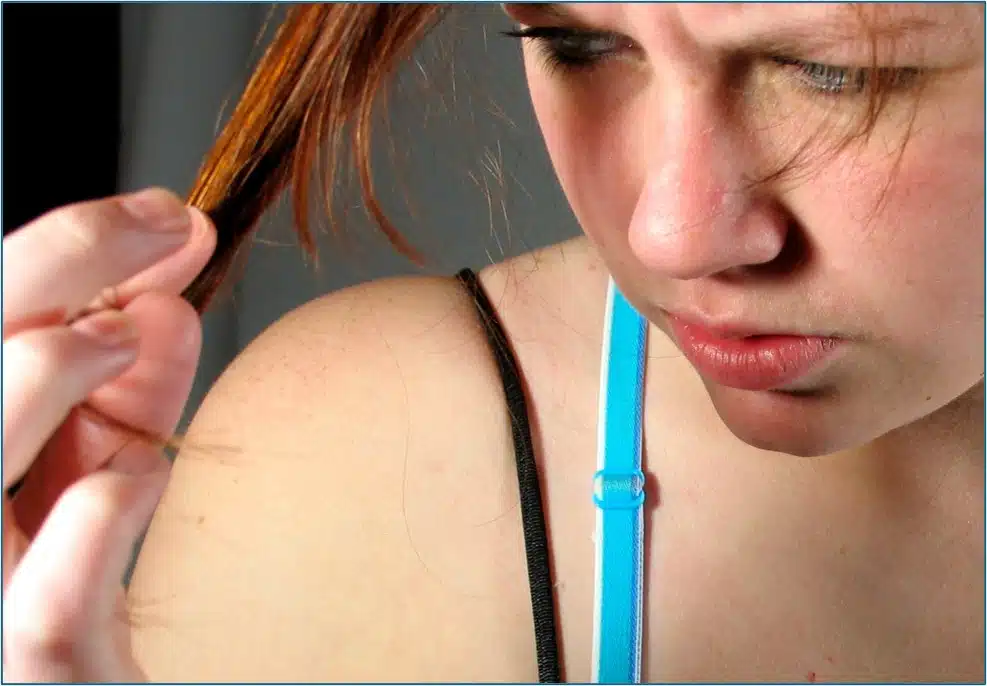
A strand of shoulder-length hair may have been exposed to years of washing, brushing, sunlight, heat, coloring, bleaching and environmental pollution. The ends are the oldest part and often the most weathered. Repeated swelling when hair becomes wet, friction between fibers, aggressive detangling and high temperatures can progressively disturb the cuticle—the overlapping outer scales that protect the cortex responsible for much of the fiber’s strength.
The damage may be insignificant after one blow-dry or one vigorous brushing. The problem is accumulation. As the cuticle becomes rougher, friction increases. Hair tangles more easily, requires greater force to comb and becomes more vulnerable to breakage. Chemical services and ultraviolet exposure can add to that deterioration. The result is familiar: dullness, frizz, porosity, weak ends and hair that never seems to retain length.
The scalp has its own aging story. Research increasingly links scalp condition with the quality and retention of hair, while studies of hair aging examine oxidative stress, inflammation, DNA damage and changes in follicle signaling. These mechanisms are complex and should not be reduced to a fashionable ingredient claim. Even so, the broad lesson is valuable: the fiber, follicle and scalp should not always be treated as unrelated problems.
Hair longevity therefore has two fronts. One is biological—the living scalp and follicle, where medical, nutritional and lifestyle factors may matter. The other is mechanical and cosmetic—the exposed fiber, where gentler handling and well-designed products can reduce needless wear. A serious longevity routine recognizes both, but does not confuse cosmetic support with treatment for a medical condition.
FROM MIRACLE PRODUCT TO DAILY SYSTEM
The most important change may not be a new ingredient. It may be a new way of organizing hair care.
Consumers have traditionally been encouraged to buy a “hero” product: the shampoo for volume, serum for shine, mask for repair or supplement for growth. Yet every stage of a routine affects what follows. A cleanser that leaves hair harsh can increase the burden on the conditioner. A rich conditioner may weigh down fine hair and encourage more frequent washing. A scalp product applied over heavy buildup may not spread evenly. Heat protection cannot compensate for repeatedly using excessive temperature.
Hair longevity replaces this with a more coordinated sequence: cleanse without unnecessary harshness; condition to improve slip and reduce friction; care for the scalp consistently; protect or enhance the fiber without overloading it; and support general nutritional wellness. The value lies not only in what each product does, but in avoiding conflict between products and making the routine simple enough to continue.
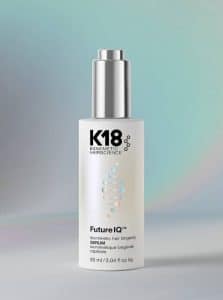 K18 has helped bring this systems language into premium hair care. The biotechnology-led brand first became known for molecular repair and was acquired by Unilever in 2024. It is now extending its “biology-first” philosophy into hair longevity, arguing that the next stage of premium care will focus not merely on repairing yesterday’s visible damage but on preserving the conditions that influence tomorrow’s hair.
K18’s brand development is significant because it shows how a focused scientific idea can become a broader platform rather than a single successful product. Its newest longevity claims will still need to be judged on the strength of published evidence, independent scrutiny and real-world experience. The larger direction, however, is difficult to dismiss prevention and preservation are becoming commercially important ideas in hair care, just as they did in skin care.
TRICOMAX WAS BUILT AROUND THE WHOLE ROUTINE
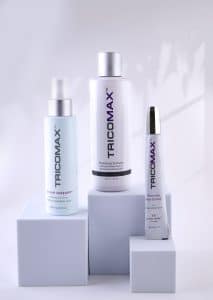 This is where TricoMax offers an instructive—and pioneering—example. Before “hair longevity” became the industry’s newest phrase, TricoMax was being developed as a coordinated hair-wellness collection rather than a shelf of unrelated problem-solvers. Its basic idea is that preserving the appearance and quality of hair requires attention to cleansing, conditioning, the scalp, the visible fiber and nutritional support, with each component assigned a distinct role.
The Revitalizing Shampoo is the reset step. It is designed to remove oil, perspiration and styling residue while leaving the scalp feeling clean and refreshed. This matters because longevity does not mean avoiding cleansing; it means cleansing effectively without turning every wash into another source of unnecessary stress.
The Revitalizing Conditioner follows with a complementary objective: improve manageability, reduce tangling and help limit breakage without leaving the hair heavy. Conditioners can smooth the fiber surface and reduce friction during combing—an everyday benefit with long-term implications. Hair that requires less pulling and fewer repeated passes with a brush is less likely to suffer avoidable mechanical damage.
Scalp Therapy extends care beyond wash day. The leave-in formula is applied along the partings to keep the scalp feeling fresh, comfortable and cared for. It does not claim to treat hereditary hair loss. Its role is to encourage consistent scalp attention—an area many traditional routines ignore until itching, flaking or discomfort demands notice.
The Hair Maximizer Serums address the visible fiber and the emotional need for hair to look its best now, and for years from now. Tinted and non-tinted options can help hair appear fuller and more polished while fitting into the broader routine. That cosmetic benefit is important. A longevity program will fail if it asks consumers to postpone every reward; people need an immediate reason to enjoy and continue the regimen.
The Hair Nutrient Formula adds an inside-out dimension by supplying nutritional support for hair wellness. Supplements require responsible expectations: they do not override genetics, cure disease or replace a balanced diet, and more is not necessarily better. Within a complete system, however, nutrition belongs in the conversation, especially when consumers understand that results require consistent use over months rather than an overnight transformation.
Together, these products express a philosophy that is more forward-looking than any single formula. TricoMax is not promising to halt time. It is creating a repeatable routine intended to optimize the conditions consumers can influence and preserve healthy-looking, stronger, better-managed hair going forward. In that sense, the brand is an early participant in hair longevity—not because it has adopted a fashionable label, but because the collection was conceived around complementary care.
LONGEVITY IS ALSO BEHAVIOR
No product system can protect hair from habits that repeatedly overpower it. Longevity requires less glamorous decisions: lowering the temperature of styling tools; using heat protection; detangling from the ends upward; avoiding tight, continuously worn styles; blotting rather than rubbing wet hair; protecting hair from intense sun and chlorinated water; and spacing aggressive chemical services when possible.

It also requires knowing when cosmetics are not enough. Sudden or excessive shedding, patchy loss, scalp pain, persistent inflammation or rapid changes in density deserve professional evaluation. Hair longevity should make consumers more attentive to change, not persuade them to self-treat a medical problem indefinitely.
The salon professional may become increasingly important in this new model. Stylists see the scalp and hair at regular intervals and can often recognize changes in breakage, texture, density or scalp appearance before the client does. Their future role may expand from service provider to long-term hair steward—documenting changes, improving home-care technique and referring clients to a dermatologist or other qualified professional when necessary.
THE NEXT HAIR-CARE QUESTION
The language of longevity will inevitably attract exaggerated promises. Some brands will attach the term to a single serum and imply that aging itself has been reversed. Consumers should ask harder questions. Does the claim concern the living follicle, the scalp barrier or the non-living fiber? Was the outcome measured objectively? Was the study independently reviewed? Is the effect cosmetic, biological or merely perceptual? And does the complete routine reduce damage—or simply add more products?
The strongest version of hair longevity is not a miracle. It is a strategy. It accepts that hair changes with age, yet recognizes that a considerable amount of visible deterioration comes from cumulative exposure and daily handling. It treats cleansing, conditioning, scalp care, fiber enhancement, nutrition and behavior as connected parts of the same objective.
K18 may help give this emerging category a name and premium scientific profile. TricoMax demonstrates another important route: a practical, accessible collection conceived so that individual products support one another and encourage consistent care over time.
The old hair-care question was, “How do I fix what I can see today?” The new one is more demanding: “What can I do today to protect the hair I want tomorrow?”