Blog
Clouds Gather Over Medical Tourism


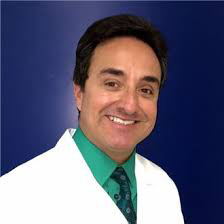
Hair restoration surgery continues to expand according to results in a recent survey conducted by the International Society of Hair Restoration Surgery (ISHRS). The worldwide volume of surgical hair restoration procedures performed from 2014 to 2016 rose 60 percent, with 635,189 procedures performed in 2016. Asia led the way with 195,284 procedures, followed by the Middle East with 149,400 and the U.S. with 133,136 procedures. The Middle East experienced the biggest increase in the number of procedures in 2016 with a 163% increase from 2014. The majority (61.1 percent) of hair restoration patients treated by ISHRS members in 2016 traveled more than 20 miles/32 kilometers for their procedure, which included travel to a different state, region or country. And therein lies a problem. In 2017, then ISHRS president, Ken Washenik, MD, PhD, FISHRS stressed that patients who decide to travel for a hair restoration procedure need to do due diligence when researching and deciding on their surgeon, as the ISHRS has witnessed a black-market spawning from non- doctor clinics illegally performing the procedure under the auspice of medical tourism. “In some countries, we are hearing horror stories of patients who receive poor growth, poor results and often permanent damage to their scalps at the hands of unlicensed technicians who are operating hair restoration clinics illegally,” said Dr. Washenik. “While there are many qualified, ethical physicians in these countries who produce good results, others who operate illegal clinics entice unknowing consumers with cheap prices and promises of guaranteed results.” To learn more about the risks of “medical tourism” and gather sound advice to share with men and women looking for a safe and ethical hair loss solution, The Hair Authority met with board-certified dermatologist, Dr. Ricardo Mejia, M.D., FAAD, Fellow, American Society for Mohs Surgery and Diplomate American Board of Hair Restoration Surgery. Dr. Mejia is well positioned to talk about the risks associated with the growing “black market” because he serves on the board of governors for the International Society of Hair Restoration Surgery and chairs the subcommittee on the unlicensed practice of medicine
[rml_read_more]
Hair Authority: As cosmetic surgery grows and becomes more commonplace, it is attracting more and more practitioners; some like yourself with outstanding credentials, some who are still building skills… and then some who are, shall we say, less qualified.
Dr. Mejia: This is an area of great concern to our board.
H. Authority: How does the public know where to turn to find the people who have invested the time and effort to build those specialist skills? It is obviously tempting for a patient to try and save money by travelling to an overseas destination for a cheaper procedure or to go bargain shopping online. But that can lead to poor results and even put the patient’s health at risk.
Dr. Mejia: The old adage that says, “You get what you pay for” is very true, especially when it comes to a delicate procedure like hair transplantation. There are a lot of quality surgeons who provide top notch hair restoration surgery and you should expect to pay a premium for that expertise. However, because of economic differences among countries, medical tourism is tempting because it is possible to find an overseas hair transplant at a cheaper price. Now, there are many well-respected international doctors who are members of the International Society of Hair Restoration Surgery who operate in these locations and provide quality services at an economical cost. The problem however, is that unfortunately, there is a growing number of people who do not have this training or credentials – or even surgical backgrounds – who are taking advantage of the economic differences and luring patients into believing that they’re going to get a high quality procedure when in fact they’re getting a poor standard of care and in far too many cases, a job that leads to complications. It’s a serious problem. In this “Black Market” there are unscrupulous clinics that basically cheat, lie, and deceive individuals into a procedure that is neither what they need nor what they intended.
H. Authority: How should a concerned adult looking for a hair restoration solution start their due diligence?

Dr. Mejia: The best thing is to seek a reputable organization like the International Society of Hair Restoration Surgery and look at the qualifications and training of doctors listed on their website. Doctors who are part of the International Society of Hair Restoration Surgery have agreed to an attestation or honor system that states that they themselves will perform the surgery. These doctors are held to the highest ethical standards and patients are assured they are going to be treated with the utmost respect and that the physician will use his or her extensive training to do the best job for them.
H. Authority: What are the other things to check?

Dr. Mejia: I think it’s important to look at how long a physician has been in practice. Also, how many years that they’ve been a member of the ISHRS. They can look this up online and see if the doctor has attended meetings every year to keep current with standards and new technology. This kind of background check is one of the best things a consumer can do when researching a doctor. You can see if they are they board certified and if they participate regularly in scientific conferences organized by the Society.
H. Authority: You have described the upside and what people should look for. Now let’s talk about the risks and the downside. You mentioned earlier that some doctors don’t always perform the surgery themselves.
Dr. Mejia: There are many places abroad and even in the United States where doctors are utilizing technicians or people who are not medically licensed in their states to do the surgery. Although this is illegal in many states and countries, doctors are still delegating the procedure to individuals who may or may not have any training in the proper treatment of hair restoration surgery. This has become one of our biggest concerns over the past several years because many of the assistive devices that are now available make it possible for doctors to say, I don’t really have to be present, I can be doing something else while my technician uses a robotic or assistive tool. Or, alternatively, Now I can do 5 – 10 people at the same time by having somebody else do surgery in parallel with me. We are deeply concerned that some doctors are delegating surgical procedures to unlicensed or non-medical personnel that have little or no training in the procedure.
H. Authority: Does the law stipulate that only a surgeon perform hair transplantation or could say, an anesthesiologist or medical assistant intervene?
Dr. Mejia: The laws are different from state to state and internationally, but as a general rule, follicular unit excision or hair transplantation surgery is a surgical procedure and only doctors or licensed medical individuals that have been granted the authority within their scope of practice to perform this procedure can do surgery. Taking Florida as an example, no physician can delegate a surgical hair transplant procedure to a non-medical or unlicensed individual, even under direct supervision.
H. Authority: In addition to the M.D. or D.O. certification, what other credentials demonstrate proficiency in hair transplantation?
Dr. Mejia: Our mission at ISHRS is to educate doctors and keep them current. The American Board of Hair Restoration Surgery is a separate board that administers an examination process that certifies and accredits successful candidates that have demonstrated proficiency in hair restoration surgery.
H. Authority: Because this is a zero-tolerance procedure, you cannot get things only 75 percent right. Do you believe that the training and the examination is strict enough?
Dr. Mejia: As in all surgical procedures, hair restoration is an ongoing training process. People need to be committed to constantly learning and updating their surgical techniques, refining the proper hairline designs, and staying abreast of the proper safety standards in regard to anesthesia, infection, blood-borne pathogens to name a few.
H. Authority: With hair transplantation, we’re talking about a procedure that creates the image that you carry out into the world every day. It’s also a procedure that has long-term consequences. Your hairline could look right on day one and be very wrong in thirty-six months’ time. For these very personal reasons, it is not about the money, it has to be about the long-term results. As we stated earlier, it is a zero-tolerance procedure.
Dr. Mejia: A hair transplant procedure is supposed to make you happy, but unfortunately, we’re seeing tragic results from some of these clinics where the only motivation is money. We see hair lines that are not natural. We see people actually starting to wear hats to try to cover it up. They have scars and infections that are not fixable or repairable. They’re ashamed of what has happened to them. This is not the way it’s supposed to be.
H. Authority: What would you like a member of the public visiting your website or reading our publication to remember as your final word of advice?
Dr. Mejia: My final warning is, buyer beware. Before you jump into a hair transplantation procedure, research a lot and don’t be lured by guarantees, fancy marketing ads, or significantly cheaper prices, because these can be warning signs that you may be headed into trouble. The most important thing is to verify your doctor’s ISHRS credentials. Verify that they go to meetings. Verify that they’re a licensed doctor. Verify the number of years of training and try to meet or speak with patients. Finally, if you’re going to travel abroad, make sure that it’s your doctor who’s going to be doing the procedure.
H. Authority: Thank you for sharing this valuable advice. Readers can find more information at www.ISHRS.org.