Blog
ISHRS 2018

By John Vincent
In October, an elite group of hair surgeons, researchers and consultants gathered in Hollywood, the birthplace of television and movie stardom. And just as has this town has changed since I grew up in L.A., so has the message the group now needs to convey about hair restoration. Many hair surgeons who have made it their life’s work to provide better, more affordable hair surgery are finding their practices being hijacked by untrained, profit-driven newcomers. The advent of ‘robotic’ machines, designed to make an exacting procedure more automated, has allowed some unscrupulous doctors (and some non-doctors) to offer surgery without the traditional hands-on training that has been the hallmark of the ISHRS. This is particularly true for certain overseas clinics that offer patients deeply discounted prices through aggressive advertising and promotion, as past-president of ISHRS and recipient of the group’s Golden Follicle award, Dr. Carlos Puig, notes in the book, “Hair Loss Dossier: The Big Lie about the Causes, Cures Treatments and Scams” The Abuse of Robotic Surgery
Hair transplantation is an attractive “cash” business and many doctors are trying to “get in on the action.” Since the profitability of other areas of medicine has been shrinking, the lure of this field has led to many doctors exploiting new technologies not as an aide to greater precision, but as a substitute for adequate training… and shortcut to increased profits. Robotic assistants and other mechanized devices extract follicular units that can then be placed into a thinning or bald area. They are supposed to be operated by a physician. However, sometimes it is assistants or technicians, not doctors, who do the extractions. They believe this is a safe practice, carrying the same risk as drawing blood. Unfortunately, this is not true. In fact, allowing non-physicians to perform surgery is illegal in most states, but unfortunately it remains all too prevalent.
Patients are advised to make doubly sure it is the doctor who is really doing the surgery. Experienced hair restoration surgeons make subtle, but serious, decisions while harvesting grafts in order to optimize the use of the donor area and prevent excessive scarring. A veteran hair surgeon adds, “Technically, doctors are supposed to be proficient in any surgery they subsequently delegate to a physician extender (assistant, or nurse) and should not be encouraging the unlicensed practice of medicine by technicians” (Sharon Keene, MD).

The Abuse of Transplant Tourism
Another focus of this year’s ISHRS meeting has been nicknamed, “Transplant Tourism” and refers to hair transplant surgery being offered at bargain rates-often in third-world countries.
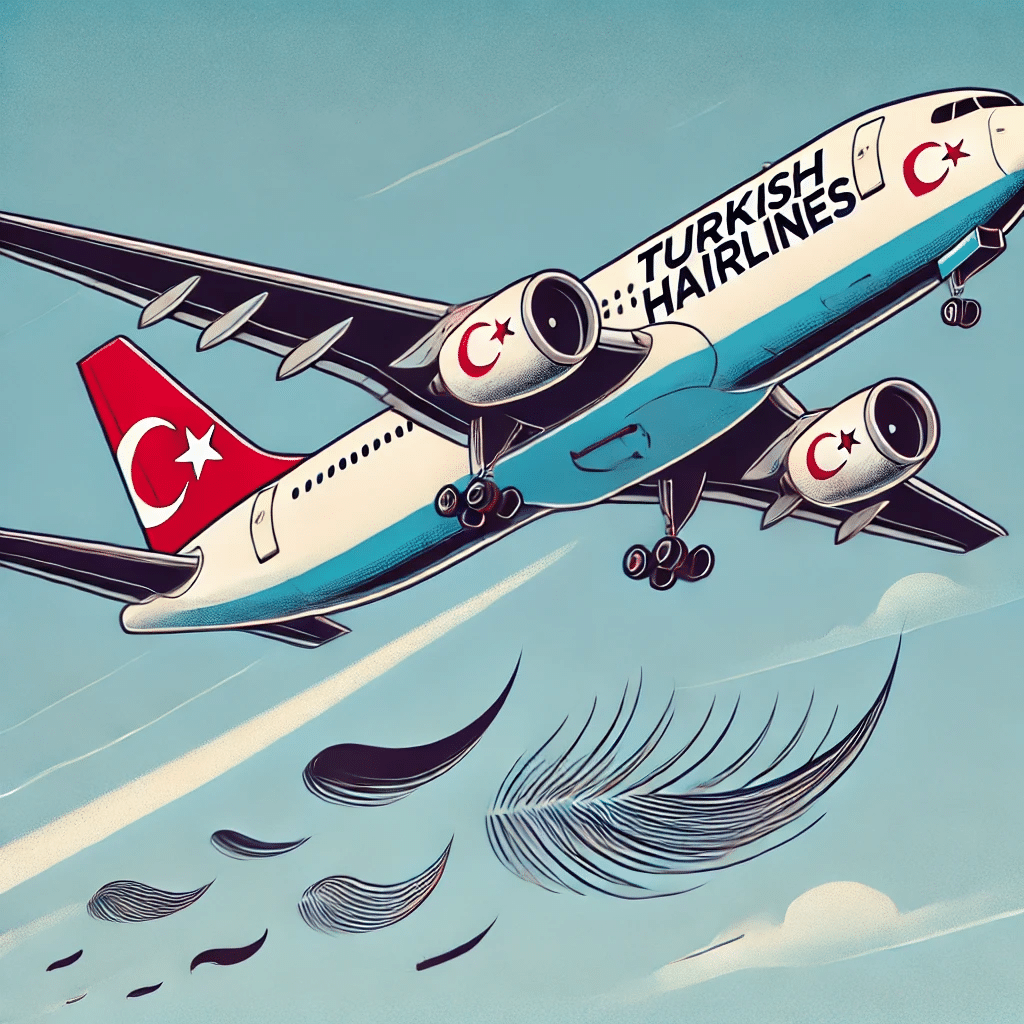
Horror stories on the internet report the bad experiences of multiple victims of inexperienced or unqualified doctors and technicians. A UK hair restoration surgeon with years of experience and extensive involvement with prestigious hair surgery organizations, adds these comments: “There have been many breakthroughs in hair transplant surgery that have led to better results. While this improvement in techniques and results is a good thing, it also caused an interesting and unique phenomenon; the opening of clinics manned by technicians and physicians with little to no experience in hair restoration surgery, offering procedures without formal training. This rapid increase in clinics offering these services has caused an increase in the number of complications that would have been avoided by an experienced hair restoration specialist.” (Bessam Farjo, MD). Another highly regarded specialist, practicing exclusively as a hair surgeon since 1992, told me, “Typically, these (transplant tourism destination) services will be offered at very low prices on the internet and include airfare and accommodations. But be aware that these surgeries are often performed by unlicensed technicians without any medical training and without any involvement of a doctor. If a doctor is involved, they rarely have training in this specialty. Almost all this surgery is the FUE-type. In most states in the USA and in most countries, such practices are illegal, and there have been instances in which those involved have been jailed. Although this occurs in many countries, the most notorious is Turkey (Robert H. True, MD).
In an effort to drive public awareness of the risks from unqualified, unlicensed hair transplantation clinics, whether foreign or domestic, the ISHRS has mounted a social media campaign to warn those considering “bargain procedures”, named Beware of Black-Market Hair Transplants! Their concerns are underscored by opinions penned by the many of the most qualified surgeons and published “Hair Loss Dossier.” One example, “Choosing a surgeon who is highly trained, experienced and abreast of the latest advancements in this field has become even more important. It helps assure you will be offered the latest and best techniques for your situation. No two patients are ever equal, and what is best for one may not be the best for another… Having a hair transplant procedure is one of the most important decisions you will make. It will permanently affect the way you look, so extensive research is important, and more than one consultation are advised before a final decision is made. While cost is an important factor for many patients, it should not be the only/most important factor in your final decision” (Marco Barusco, MD).
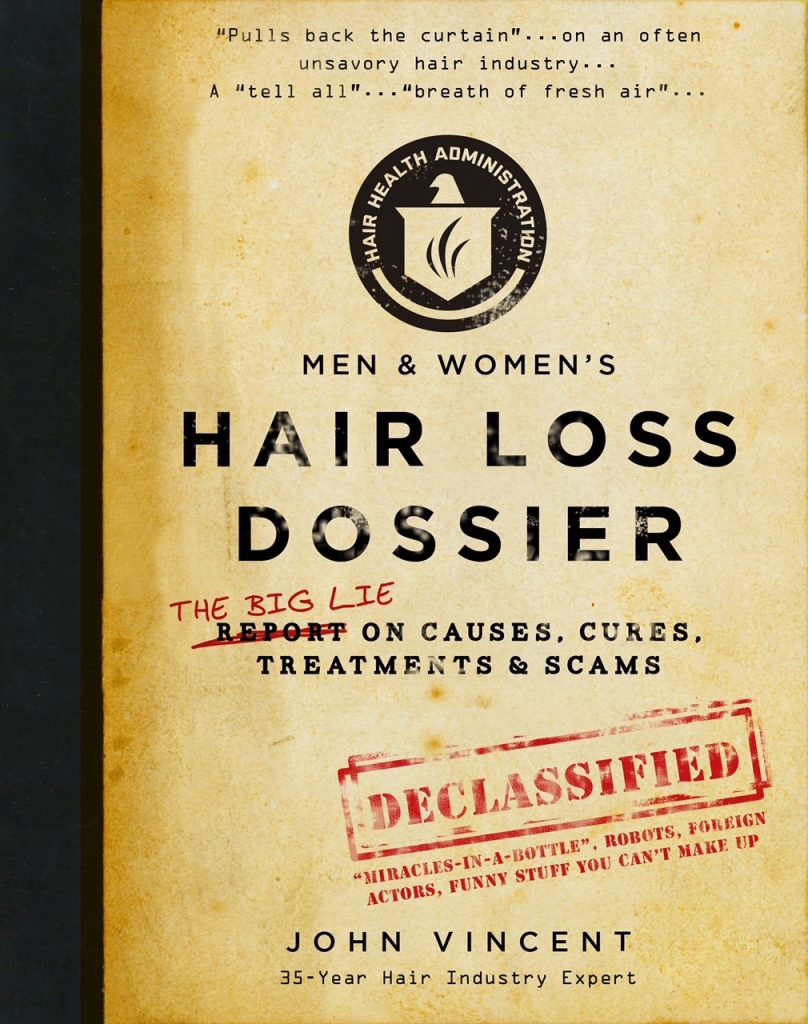
Disclosure: John Vincent is author of a new book – “Hair Loss Dossier: The Big Lie about the Causes, Cures Treatments and Scams” which is available from Amazon. Contributors to this book and who are quoted in this article include:
Carlos Puig, Fellow ISHRS, Past President ISHRS
Sharon Keene, MD, Fellow ISHRS, Past President ISHRS. Certified American Board of Surgery.
Bessam Farjo, MD Diplomate and Past Board Director of the American Board of Hair Restoration Surgery (ABHRS), Past President & Fellow of the International Society of Hair Restoration Surgery (ISHRS), 1st European President, Founder Member and Past President of the British Association of Hair Restoration Surgery (BAHRS), Member of the European Hair Research Society (EHRS). Board of Trustees, the Hair Foundation, Fellow, Board Member and Medical Director of the Institute of Trichologists (est.1902), Founder Member of the Trichological Society,
Marco Barusco, MD President of the American Board of Hair Restoration, Fellow, International Board of Hair Restoration Surgeons, Assistant Professor of Surgery – University of Central Florida College of Medicine, Diplomate, Current President of the Board of Directors for the American Board of Hair Restoration Surgery (ABHRS), Member of the Board of Trustees of the American Academy of Cosmetic Surgery
Robert H. True, MD, Diplomate, ABHRS. Member, ISHRS.