Blog
Beauty on Trial


The Growing Legal Risks in Personal Care
The Beauty Industry’s Legal Crossroads
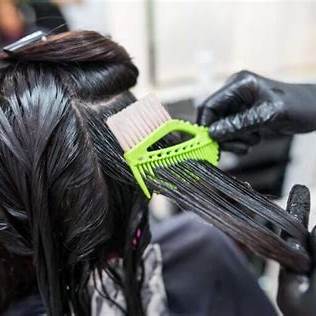 A new chapter is unfolding in the beauty industry—not in salons or skincare labs, but in courtrooms across the United States. In recent years, the personal care sector has faced a sharp uptick in lawsuits, ranging from allegations of undisclosed health risks to deceptive marketing claims.
These legal challenges are no longer fringe events—they’re becoming a defining feature of a global market under increased scrutiny by both consumers and regulators.
Litigation on the Rise: The Scope and Scale
In 2024 alone, over 200 lawsuits were filed in the United States involving beauty and personal care products, with hair colorants, straighteners, and scalp treatments among the most litigated categories. This rise reflects a broader consumer awakening about ingredient safety, labeling transparency, and corporate responsibility.
Legal experts attribute the surge to multiple converging factors: improved public access to scientific studies, rising health consciousness, aggressive marketing around “clean beauty,” and increased willingness of law firms to pursue class actions. According to Duane Morris LLP, class action suits in the personal care sector have tripled since 2020.
Case in Point: The Corvera Complaint
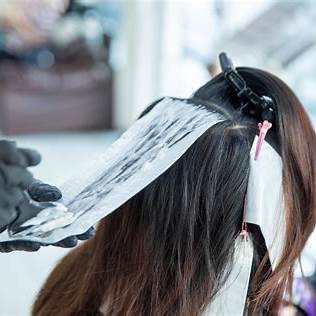 One of the most high-profile cases of 2024 centers on Hector Corvera, a professional cosmetologist in California who developed bladder cancer after more than 40 years of salon exposure to professional hair dyes. His lawsuit, filed in Los Angeles County Superior Court, names a roster of industry giants including L’Oréal USA, Wella, Clairol, Henkel, and several subsidiaries.
The complaint alleges six causes of action, including design defects and failure to warn. According to the suit, Corvera’s routine exposure included mixing, applying, and inhaling hair dyes—products that allegedly contained aromatic amines such as 4-aminobiphenyl and o-toluidine, both classified as human carcinogens by the International Agency for Research on Cancer (IARC).
Scientific Underpinnings: A Battle of the Experts
The legal arguments hinge on scientific studies linking certain chemicals in hair dyes to increased cancer risk, particularly among salon professionals. A 1994 meta-analysis found a consistent association between past occupational exposure to hair colorants and bladder cancer. More recently, peer-reviewed journals have continued to explore these links, though causation remains a matter of intense debate.
Legal experts agree that such cases often come down to a “battle of the experts.” Defense teams will challenge whether the products used by the plaintiff contained the chemicals in question—and if so, in what concentrations. Plaintiffs must establish both exposure and biological plausibility, often with decades-old product formulations and manufacturing records.
Manufacturers Under Fire: Allegations and Reactions
 In response to Corvera’s suit, L’Oréal USA maintained that its products undergo “rigorous testing” and are “safely used by millions worldwide.” The company expressed sympathy but denied any legal or scientific basis for the claims. Henkel and Clairol’s former parent company, Bristol Myers Squibb, also distanced themselves from liability, citing corporate restructuring and divestment.
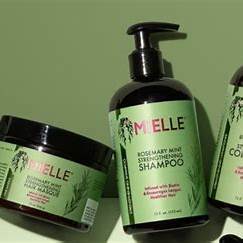
However, the legal momentum is not limited to hair dye. In a separate class action, Mielle Organics and Procter & Gamble face allegations that their Rosemary Mint Scalp & Strengthening Hair Oil caused hair loss and scalp damage—contrary to its advertised benefits. Plaintiffs accuse the companies of misleading marketing and failure to disclose known risks.
Clean Beauty and Risk Disclosure: A Double-Edged Sword
Ironically, the beauty industry’s turn toward “clean” and “natural” branding may be fueling litigation. Consumers interpret these claims as assurances of safety, while courts are increasingly willing to view them as actionable promises. When negative outcomes occur—hair loss, allergic reactions, or more severe health issues—those promises become liabilities.
Kelly Bonner of Duane Morris LLP explains, “Even when plaintiffs don’t prove a product defect, the failure to warn or fully disclose potential risks can trigger liability.” She emphasizes that companies must be cautious with terms like “non-toxic,” “dermatologist-approved,” or “chemical-free,” especially if there’s room for scientific dispute.
Regulatory Gaps: Why the U.S. Is Especially Litigious
The legal environment in the United States is particularly fraught for cosmetic brands, due in part to relatively weak federal oversight. Unlike the European Union, which bans over 1,700 cosmetic ingredients, the U.S. Food and Drug Administration (FDA) prohibits only around 30. Moreover, cosmetic companies are not required to pre-approve products with the FDA before going to market.
This regulatory vacuum means that litigation often serves as a de facto mechanism of accountability. “The lack of proactive regulatory enforcement in the U.S. puts the burden on injured consumers to seek justice through the courts,” says Andrew Felix, lead counsel in the Corvera case. “That’s not an ideal system—but it’s the one we have.”
In contrast, the EU’s more robust regulatory system likely prevents many lawsuits before they begin. Companies in Europe must navigate strict rules on ingredient safety, marketing claims, and product disclosures, which may reduce legal ambiguity and consumer harm.
Global Snapshot: How Other Countries Handle Cosmetic Claims
Outside of the U.S. and EU, litigation is less common but rising. In Canada, consumer protection laws enable individual and class actions for misleading cosmetic claims. Australia has also seen increasing scrutiny from regulators, though lawsuits are still rare compared to North America.
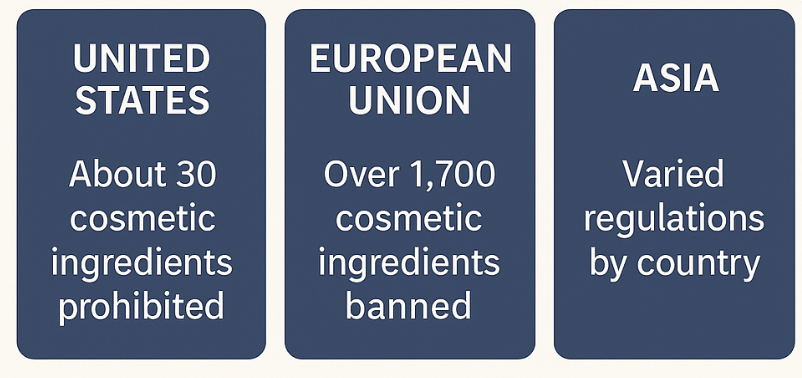
Asia presents a mixed picture. Japan enforces strict regulations on product safety and labeling, limiting opportunities for consumer litigation. China, which has only recently relaxed animal testing requirements for imported cosmetics, is still developing its legal framework for consumer product liability.
Multinational beauty corporations must now navigate a fragmented and increasingly volatile legal landscape, adapting their products, documentation, and marketing strategies for each jurisdiction.
Implications for Hair Care Professionals
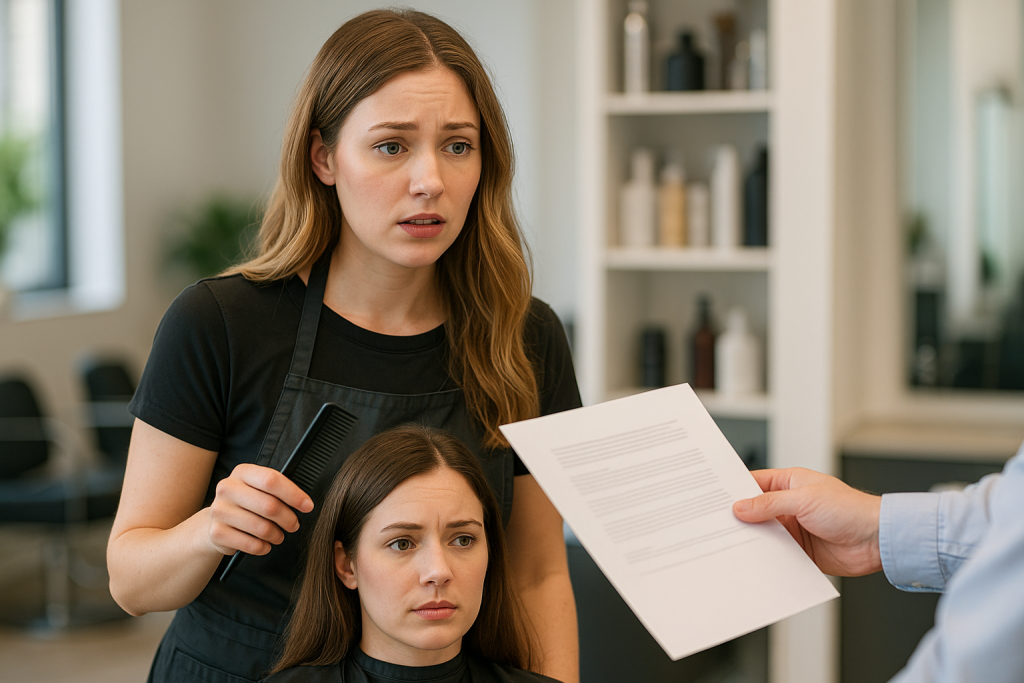 Hair stylists and salon owners may find themselves unintentionally at the center of these lawsuits, especially in cases involving occupational exposure. In Corvera’s case, the salon environment—and decades of handling unventilated hair dye mixtures—formed a core part of the claim.
Industry professionals would be wise to document all product usage, maintain Material Safety Data Sheets (MSDS), and stay current with emerging health and safety guidelines. Some insurance providers now offer liability coverage specifically for personal injury claims related to cosmetic product use.
Moreover, professionals can help shape the future of safer beauty by voicing concerns to suppliers and participating in feedback forums. If stylists start demanding full disclosure and safer alternatives, manufacturers will have a powerful incentive to respond.
How Manufacturers Can Protect Themselves
For manufacturers, the path forward is clear but complex. At a minimum, companies must:
- Conduct independent toxicology assessments of all ingredients, including legacy formulations
- Update safety labels and warnings in accordance with current research
- Document all quality control and testing procedures
- Monitor consumer feedback and adverse event reports
- Train marketing teams to avoid misleading claims or ambiguous language
Some companies have also begun voluntarily adopting third-party certifications—like EWG Verified or NSF/ANSI 305—to establish additional trust with consumers. While not legally required, these certifications can serve as reputational insurance in a risk-averse market.
Technology and Transparency: The Future of Consumer Relations
Looking ahead, the rise of AI-driven ingredient scanners and mobile transparency apps may tip the balance even further toward consumer empowerment. Already, platforms like Yuka and Think Dirty allow users to scan barcodes and instantly assess perceived health risks. For better or worse, these tools shape consumer perception—and may eventually influence courtroom arguments.
Brands that embrace transparency, publish safety data, and respond openly to consumer inquiries are likely to thrive in this evolving environment. Those that dismiss concerns or lag behind on disclosure may find themselves facing not just reputational damage, but legal jeopardy.
Legal Trends to Watch
As litigation continues to mount, industry insiders are closely watching several trends:
- Class Actions: Plaintiffs’ attorneys are increasingly targeting “pattern of harm” cases to certify class actions, especially in claims involving hair relaxers, scalp oils, and permanent dyes.
- Statute of Limitations Challenges: Plaintiffs are arguing that they only recently discovered the cause of harm, pressing courts to extend filing windows.
- Ingredient-Specific Claims: Lawsuits are focusing on specific compounds like benzene, parabens, and aromatic amines. Legal arguments now hinge not just on presence, but concentration, usage pattern, and omission of warnings.
- Third-Party Platforms as Evidence: Reviews on Amazon, social media posts, and complaints on platforms like Reddit are now being used as supporting evidence in legal filings.
The High Stakes of Beauty
The beauty industry’s mission—to enhance appearance and promote self-confidence—is now under legal scrutiny like never before. As consumers demand more transparency, and courts raise the stakes for negligence or omission, every product formulation and marketing word counts.
The future may see a more ethical and transparent beauty market—but getting there will involve not only innovation and branding but also rigorous legal discipline. For manufacturers, hair professionals, and retailers alike, the message is clear: beauty is no longer just skin deep—it’s also legally binding.