Blog
Hair, Health, and Hope

HOW QUALITY-OF-LIFE IS RESHAPING THE HAIR CARE INDUSTRY
Hair and the Quality-of-Life Revolution
A new wave of business innovation is underway—one that prioritizes not only how long we live, but how well we live. Across sectors, the concept of Quality-of-Life (QoL) is transitioning from wellness jargon into a measurable business driver. For industries tied to personal appearance and well-being, this shift carries profound implications. In hair care—particularly in the context of thinning hair—there is an opportunity to elevate treatment from cosmetic enhancement to emotional support, personal agency, and long-term life satisfaction.
Quality-of-Life: A Strategic Imperative
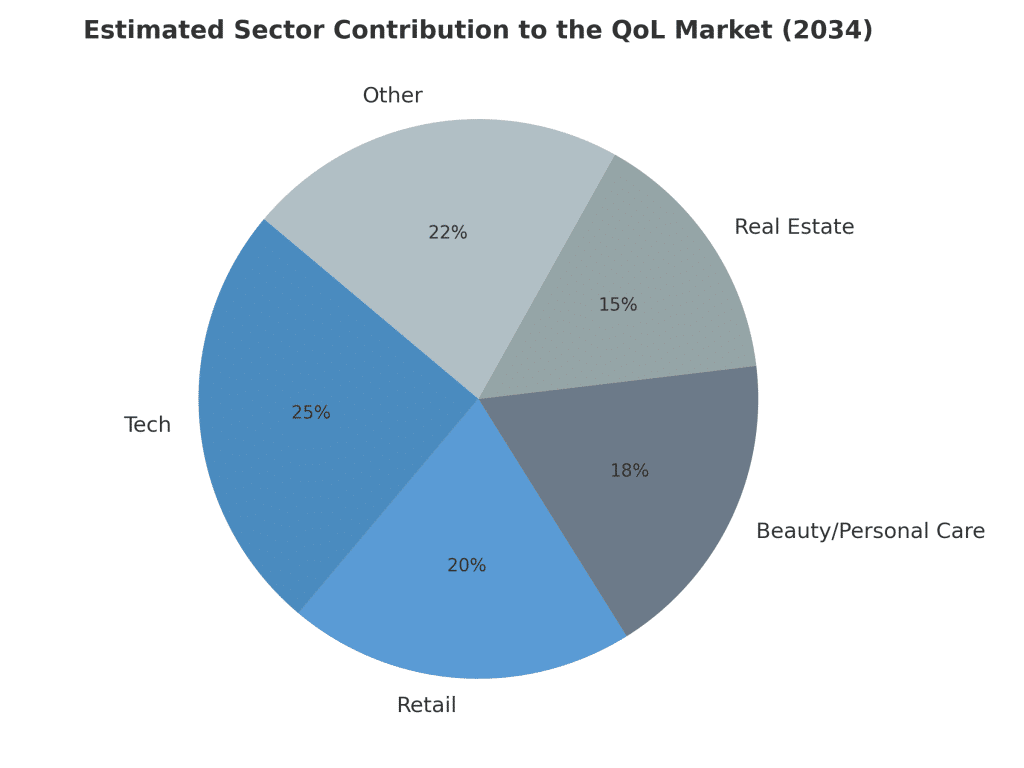
In McKinsey’s 2024 global analysis, nearly 90% of executives ranked QoL initiatives as a strategic priority within three years. The market for such offerings is expected to reach $11.2 trillion by 2034. While this trend originated in healthcare, its evolution now spans transportation, finance, entertainment, and consumer goods.
 Hair care sits at a unique intersection of health, identity, and self-esteem. Yet, unlike wellness platforms or fitness ecosystems, it has not been fully integrated into the modern QoL narrative. This article examines how that can change—and why it must.
Hair as Identity, Hair as Agency
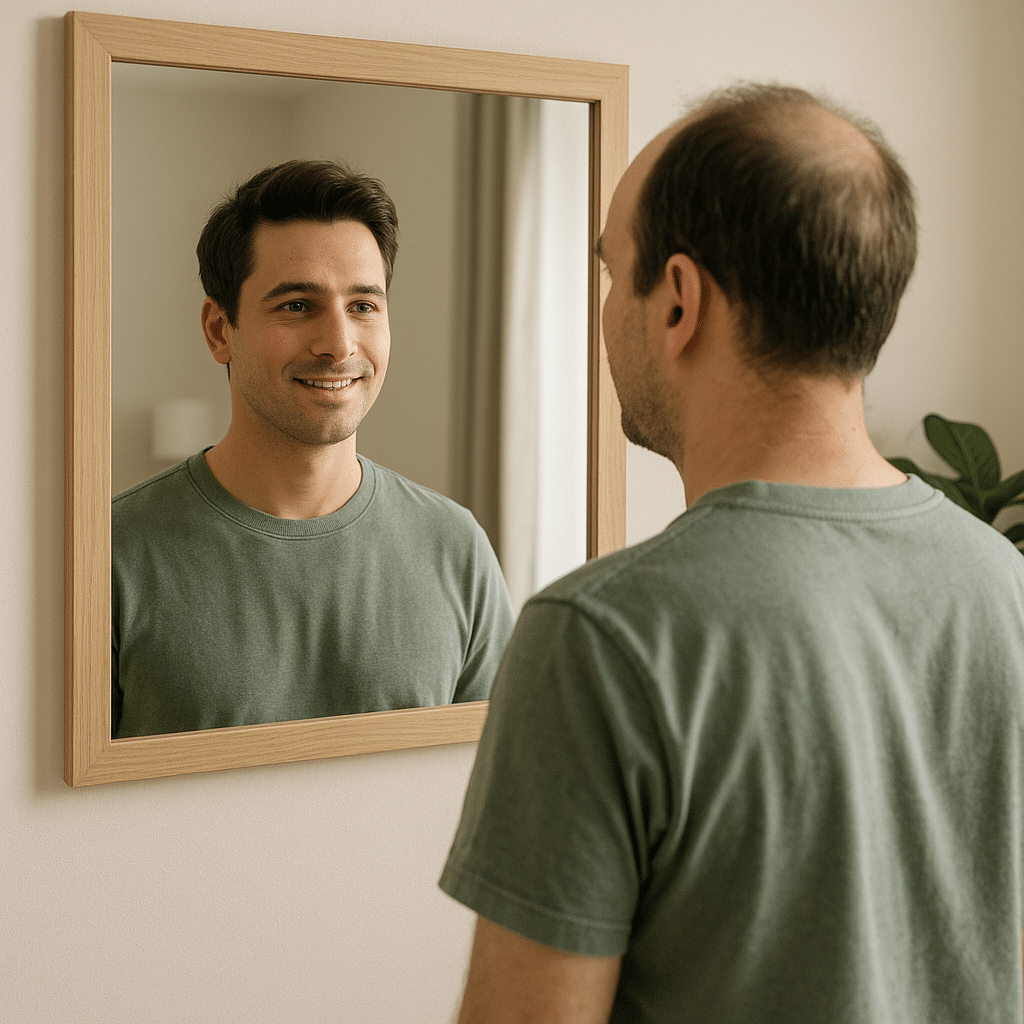
 Hair plays a profound role in human psychology. Across cultures and centuries, hair has symbolized strength, youth, vitality, gender, and even morality. Thinning hair—whether from genetics, aging, stress, or illness—can trigger anxiety, depression, and social withdrawal.
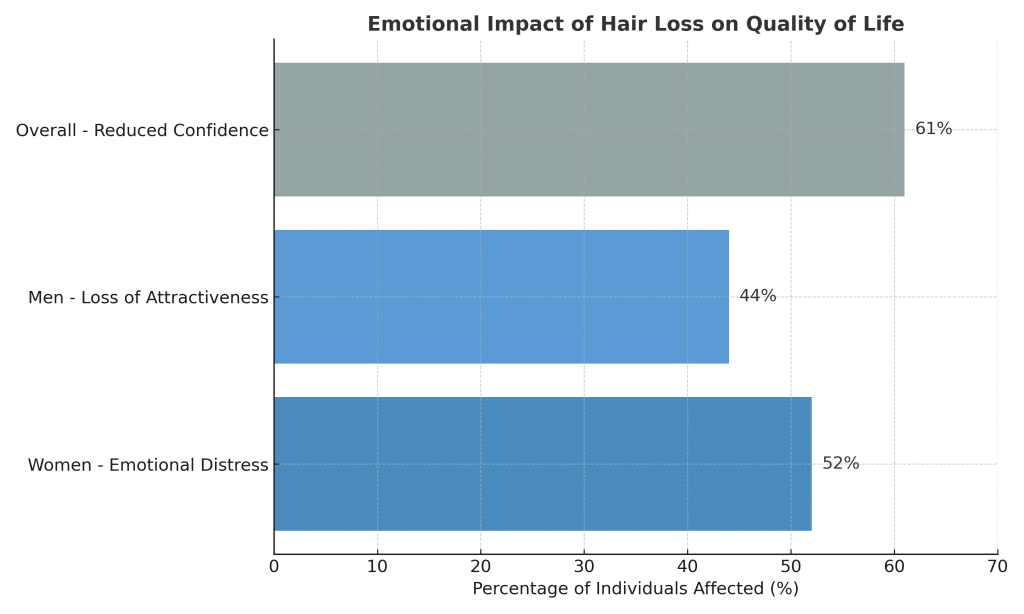
Studies published in the Journal of the American Academy of Dermatology confirm the emotional toll of hair loss. One survey found that 52% of women with thinning hair report “significant distress,” while 44% of men experience a diminished sense of attractiveness and control.
These reactions are not vanity. They are indicators that hair care is fundamentally tied to Quality-of-Life.
Case History 1: Peter, 36 – Rebuilding Confidence through Precision Care
Peter, a 36-year-old marketing director, began experiencing rapid hair thinning during a period of career stress. Though outwardly successful, he reported avoiding client-facing meetings, attending fewer social events, and struggling with self-image.
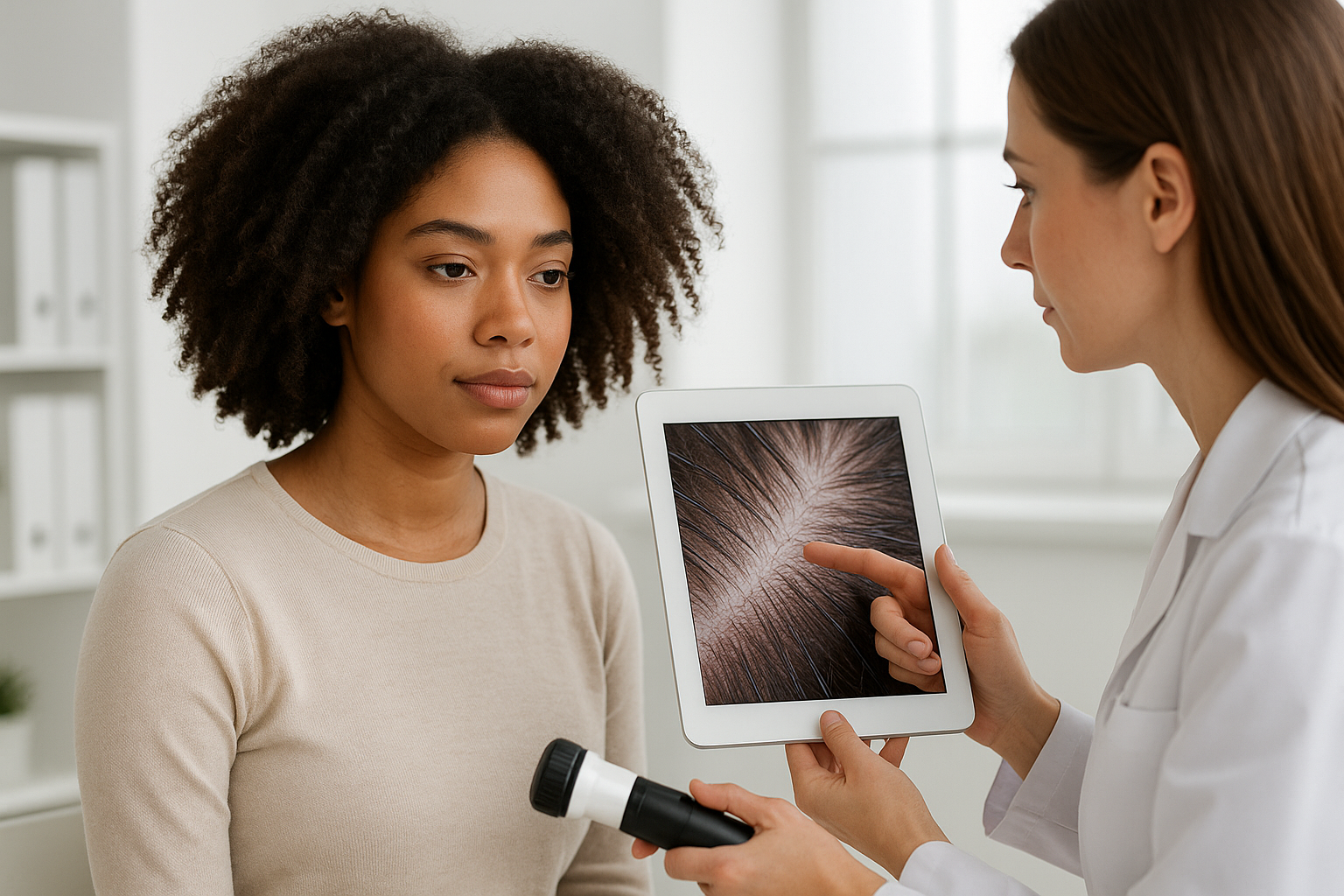
A local hair studio introduced Peter to a personalized hair care program based on scalp analysis, nutritional review, and a gradual introduction of topical treatments. They used a digital trichoscope to track follicular density, providing visual feedback at monthly check-ins.
The real change, however, came from the studio’s integration of wellness support: Peter was offered guided meditation sessions and product formulations tailored to his stress-induced shedding. Six months later, Peter described not only better hair—but restored agency and self-confidence.
The Wellness Economy’s Blind Spot
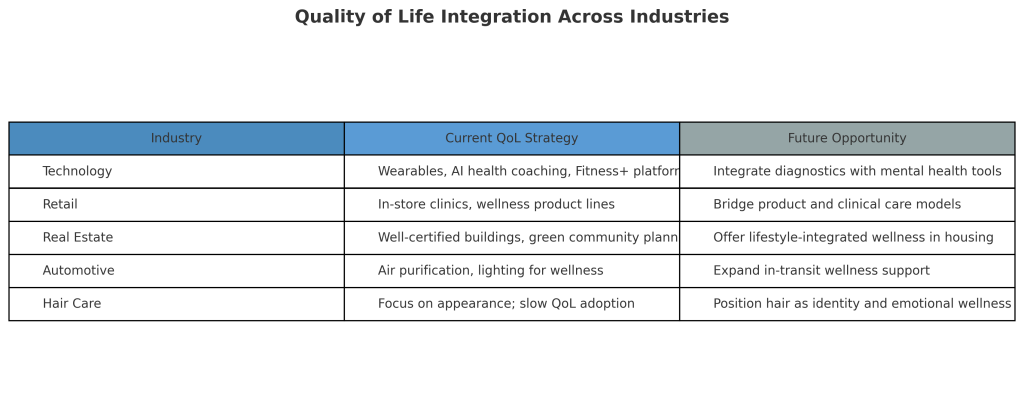
While sectors such as tech and real estate aggressively court QoL positioning—Apple’s Fitness+ ecosystem, or wellness-certified real estate via the WELL Building Standard—hair care lags behind. Most marketing continues to focus on surface-level claims: “volume,” “shine,” or “natural ingredients.”
Yet consumer expectations have shifted. According to McKinsey’s report, over 60% of consumers are willing to pay a premium for products that promote sustained well-being. More importantly, over half struggle to trust wellness claims without scientific validation.
Hair care companies that treat QoL as a marketing slogan rather than a measurable commitment risk irrelevance.
Case History 2: David, 67 – Managing Age-Related Hair Loss for Emotional Stability
David, a retired engineer, developed thinning hair and patchy baldness in his early 60s. Initially, he dismissed the change as cosmetic. Over time, however, he noticed it affected how he presented himself in public and began avoiding family photos.
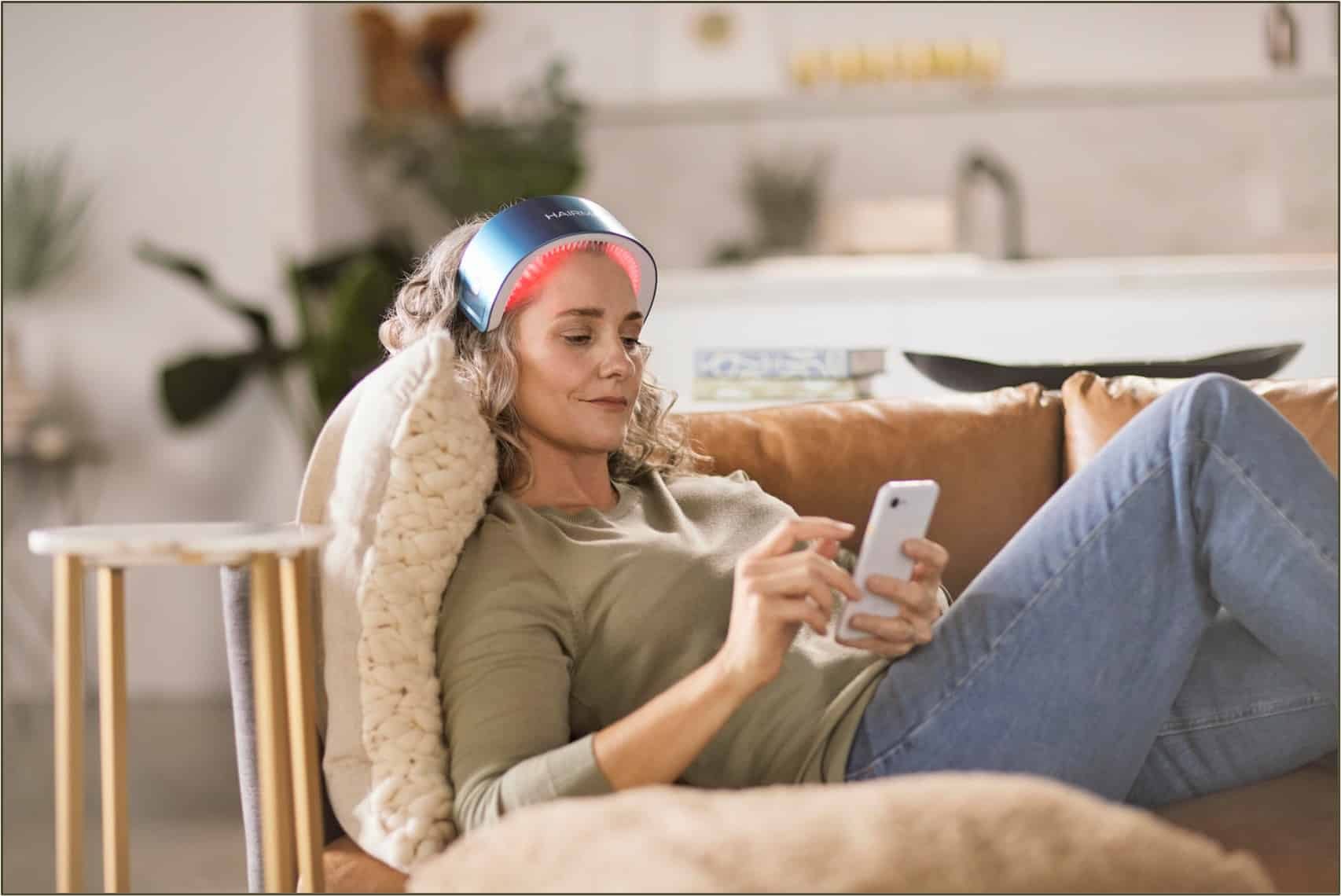
His daughter introduced him to a scalp wellness clinic that did more than recommend shampoo. The clinic incorporated biometric scalp scans, nutrition supplementation (including Vitamin D and omega-3s), and a wearable LED light therapy cap.
David’s experience was not about regrowth alone—it was about emotional anchoring. He described the regimen as “the first routine since retirement that gave my day structure.” His overall mood, and even his participation in social outings, improved markedly.
How Other Industries Are Redefining QoL—and What Hair Care Can Learn
- Automotive: Major carmakers now embed air purification and mood lighting to promote cognitive wellness.
- Tech: Samsung and Google are using wearable data to provide AI-driven personalized health coaching.
- Retail: CVS’s HealthHUB format replaces retail shelves with blood pressure stations, preventive care, and wellness rooms.
Each of these examples illustrates the same principle: functionality is no longer enough. Consumers want environments and experiences that improve life satisfaction. Hair care can offer this—but only by expanding its value proposition.
 Case History 3: Alana, 45 – Reclaiming Control after Chemotherapy
 Case History 3: Alana, 45 – Reclaiming Control after Chemotherapy
Alana, a 45-year-old breast cancer survivor, lost most of her hair during chemotherapy. While her oncologist declared her cancer-free, she felt a lingering “loss of self” due to her changed appearance.
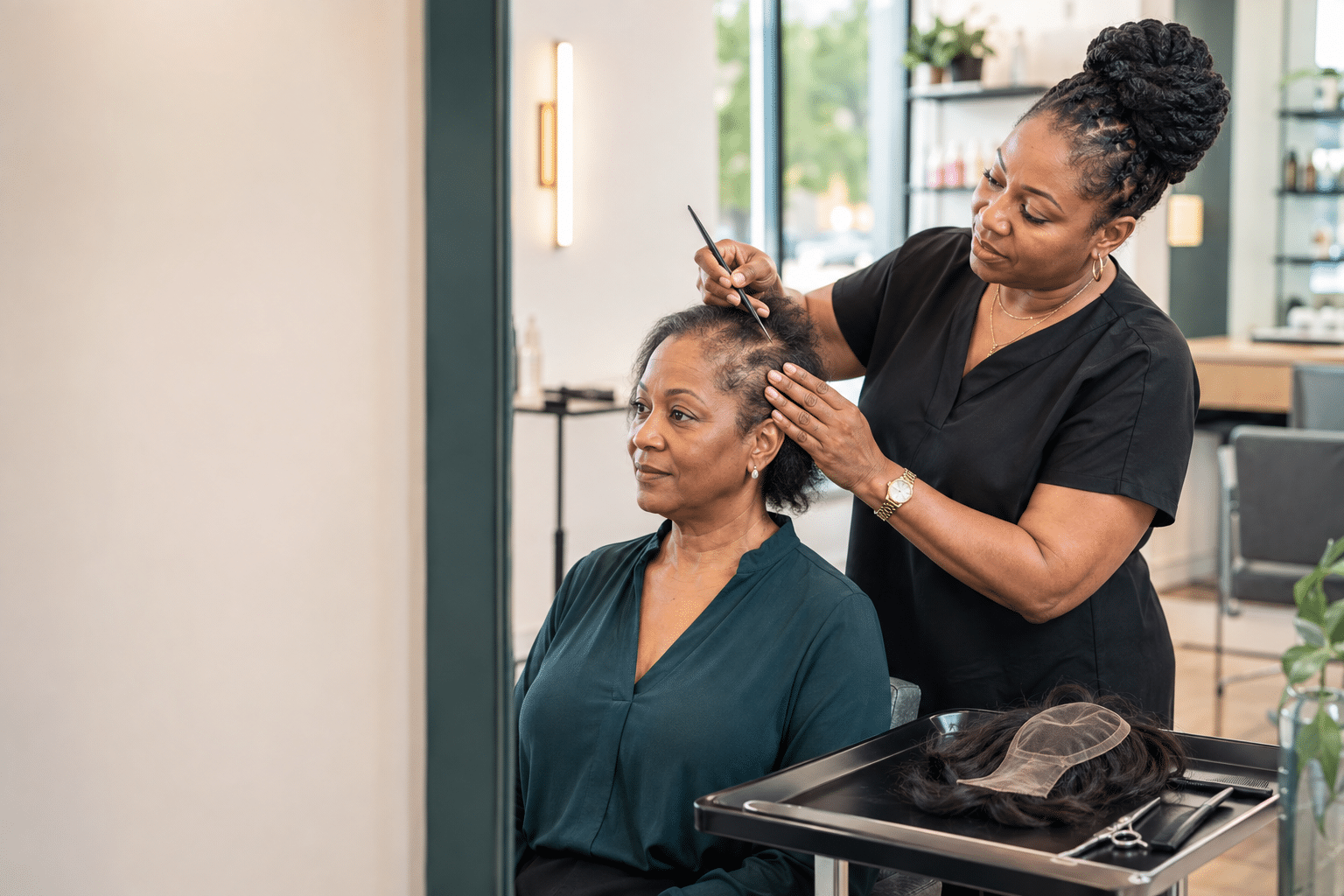
Her hair care provider introduced a two-part program: customized wigs made with real human hair and scalp massage treatments to promote regrowth. What distinguished this service was not its technicality but its empathy. Staff were trained in trauma-informed care. A private fitting room, adjustable lighting, and psychological support were part of the experience.
Alana’s comment: “They gave me a way to feel whole again, without pretending nothing had changed.”
QoL as a Platform for Innovation in Hair Care
New technologies can serve as the foundation for integrating QoL into the hair industry:
- AI-powered scalp diagnosticsto track changes over time.
- Tele-trichology: Online consultations for rural or mobility-limited clients.
- Mood-enhancing fragrancesin conditioners or styling products, linked to neurobiological research.
- Mind-body interventions: Partnering with meditation apps to reduce cortisol, a key driver of hair shedding.
Brands like L’Oréal have already moved in this direction with smart hairbrushes and the Colorsonic home color system. However, few have built holistic ecosystems that combine these technologies with emotional care.
Missed Opportunities: Where Hair Care Can Do Better
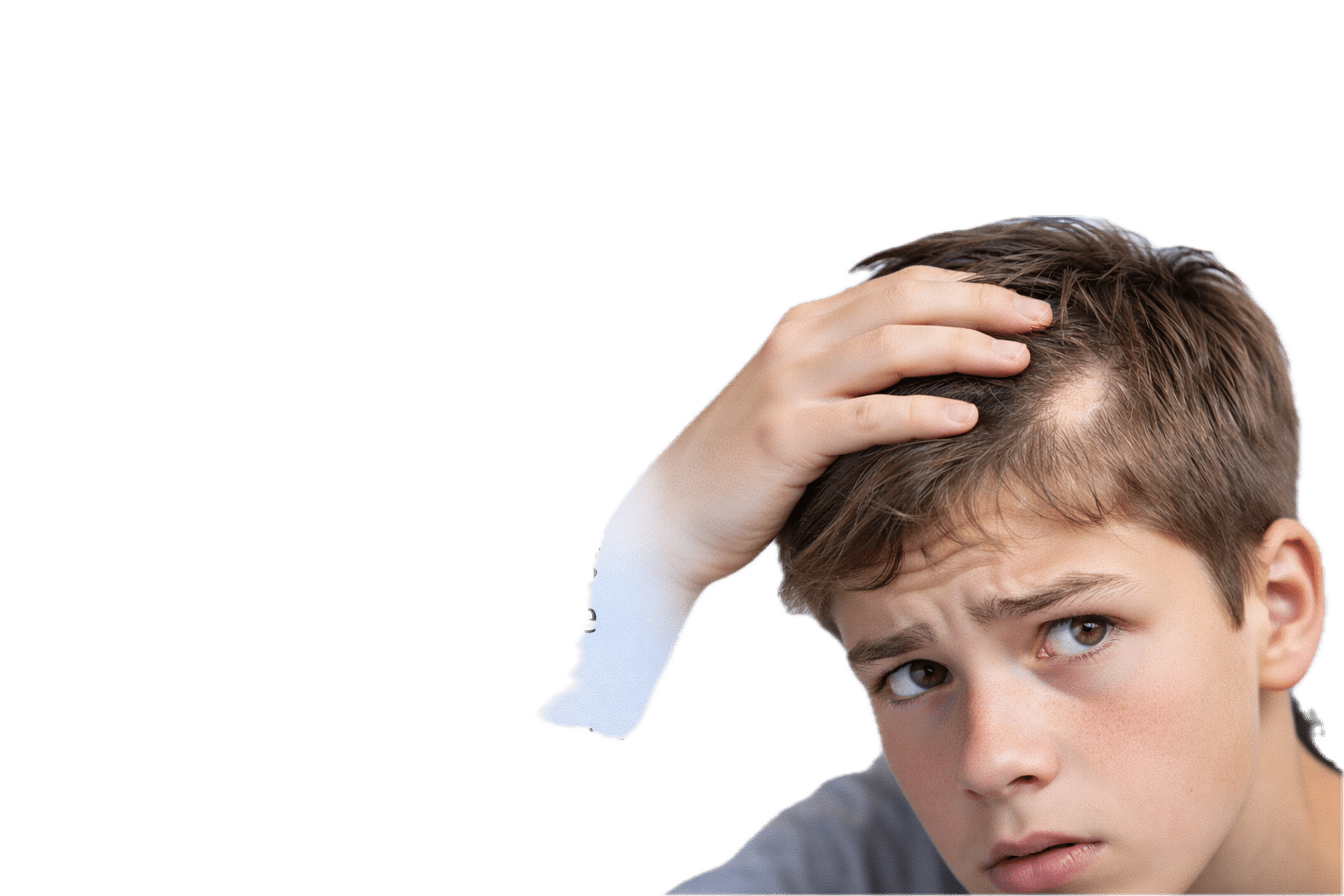
- Men’s Mental Health: Male-pattern baldness often intersects with depression, especially in younger men. Aesthetic-only solutions neglect the psychological component.
- Seniors and Aging in Place: Older adults benefit from low-dexterity packaging, easy-to-rinse formulas, and positive aging narratives. Most products ignore this demographic.
- Cultural Sensitivity: Textured and natural hair products still lack adequate representation in wellness-oriented marketing, despite the elevated hair care needs in these populations.
Opportunities for Industry Leadership
Forward-looking brands and clinics can position themselves as QoL leaders through:
- Evidence-Based Claims: Partner with dermatologists or trichologists for clinical validation.
- Inclusive Design: Offer solutions for all life stages and hair types, including textured hair, post-menopausal thinning, and post-surgery needs.
- Community Building: Create digital platforms where users can track progress, join virtual support groups, and learn from experts.
- Cross-Sector Partnerships: Align with mental health platforms, fitness studios, or nutritionists to offer bundled wellness programs.
The Business Case: Why Now
The numbers support urgency:
- The QoL sector may account for 15% of consumer revenues within a decade.
- Consumers aged 25–44—prime spenders in beauty and personal care—are actively seeking longevity and confidence-boosting products.
- The social media generation demands not only transformation, but
Hair care is well-positioned to ride this wave—if it embraces the new definition of value: not appearance alone, but experience, empowerment, and emotional health.
Quality-of-Life as a Hair Care Mandate
Hair is no longer a luxury concern. For many, it is a key determinant of social confidence, emotional resilience, and self-perception. As other industries redefine their offerings to serve Quality-of-Life, the hair care industry faces a choice: remain in the cosmetic aisle, or step into the wellness economy.
The tools exist. The demand is rising. The question is who will lead—and who will be left behind.