Blog
The Secrets Your Hair Has Been Keeping

TressAllure Comes Out Swinging!
The Secrets Your Hair Has Been Keeping
One Strand Can Reveal Your Location, Diet, Drugs — Even Your Stress Levels
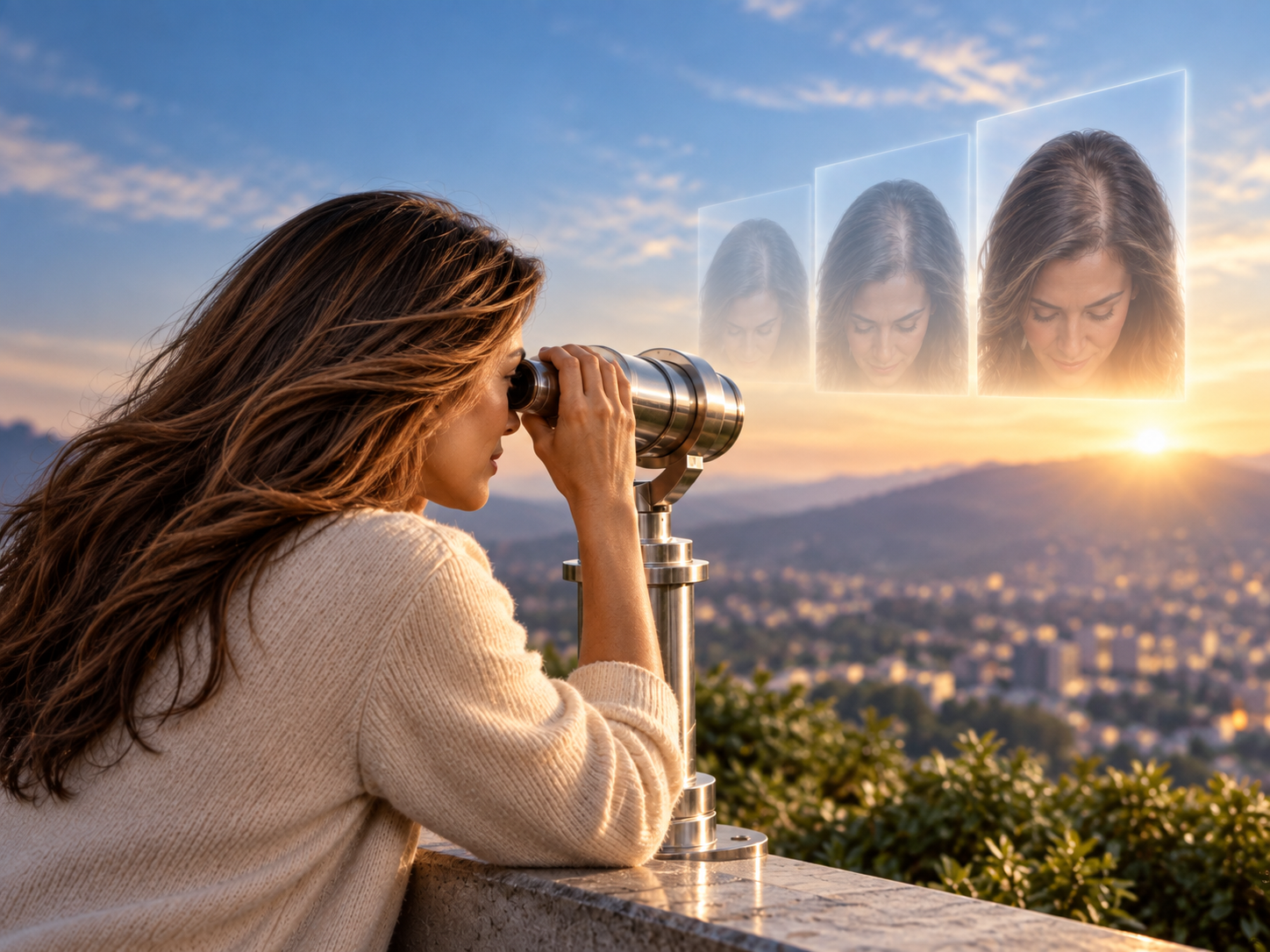
You may think of hair as dead fiber — something to cut, color, or conceal. But to scientists, investigators, and even insurance companies, it’s a living archive of your habits, health, and secrets. One single strand can reveal more than most people would ever willingly confess.
Hair as a Biological Time Capsule
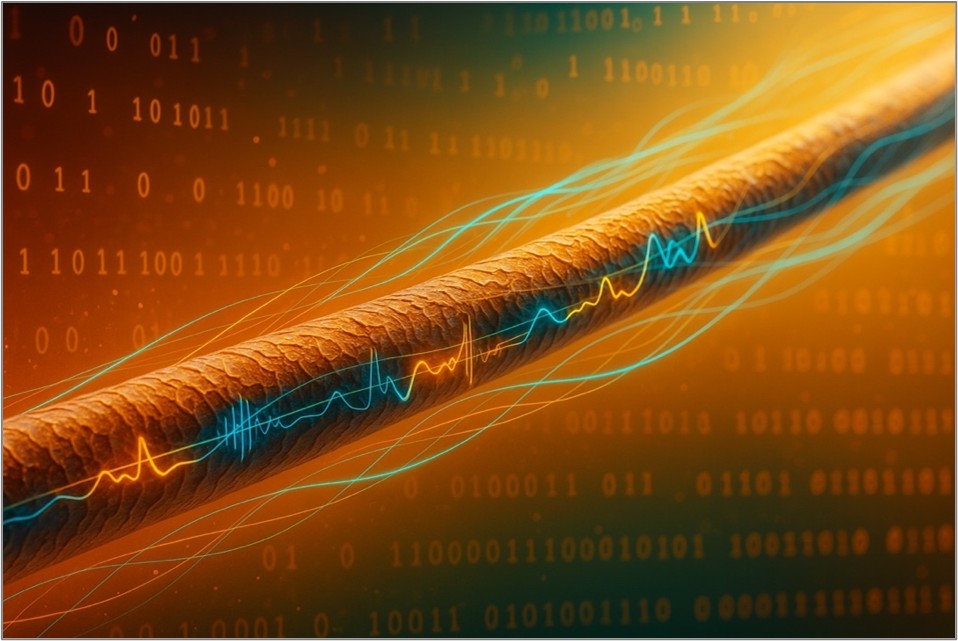
Unlike blood or saliva — which refresh constantly — hair grows slowly and locks chemical traces into its structure as it forms. Each centimeter of hair represents roughly one month of your biochemical history. Like tree rings recording droughts and storms, your hair quietly tracks your life one millimeter at a time.
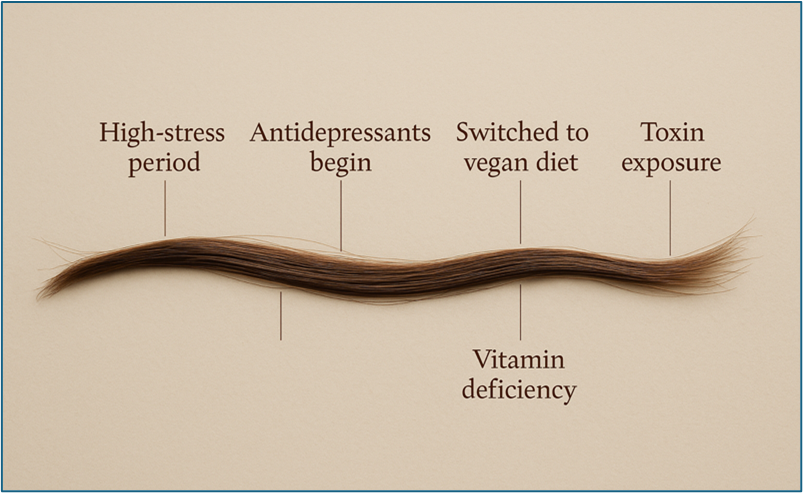
What makes this possible is keratin, the tough protein scaffolding that forms each strand. As hair develops beneath the scalp, it absorbs molecules circulating in your bloodstream — hormones, nutrients, heavy metals, drugs, even stress biomarkers. Once the hair emerges into daylight, those molecules remain sealed within the shaft like evidence in an airtight envelope.
In other words: hair doesn’t forget.
What Exactly Can One Strand Reveal?
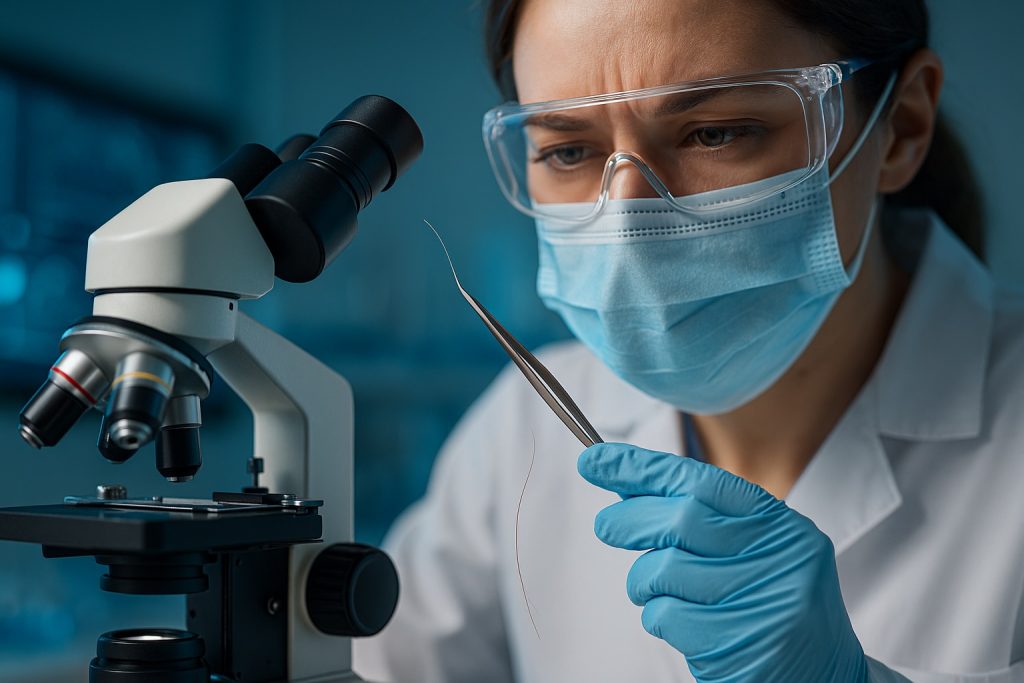
Laboratory analysis of hair — often using techniques like gas chromatography-mass spectrometry (GC-MS) or inductively coupled plasma spectrometry (ICP) — can reveal:
| Detectable Information from Hair | What It Can Reveal |
| Drugs & Medications | Cocaine, opioids, benzodiazepines, antidepressants, steroids |
| Toxins & Heavy Metals | Arsenic, mercury, lead, aluminum, cadmium |
| Hormonal Shifts | Stress hormone fluctuations across weeks |
| Dietary Patterns | Deficiencies in zinc, magnesium, iron, fatty acids |
| Environmental Exposure | Polluted regions visited, even secondhand smoke |
| Alcohol & Nicotine Use | Drinking patterns over time — not just one event |
Hair cannot reveal everything — but what it can do is prove consistency. Unlike urine or blood, which change day by day, hair exposes long-term habits.
Who Uses Hair Analysis Today?
Hair testing isn’t just for forensic scientists. A growing number of industries rely on it quietly — often without public awareness.
Law Enforcement & Forensics
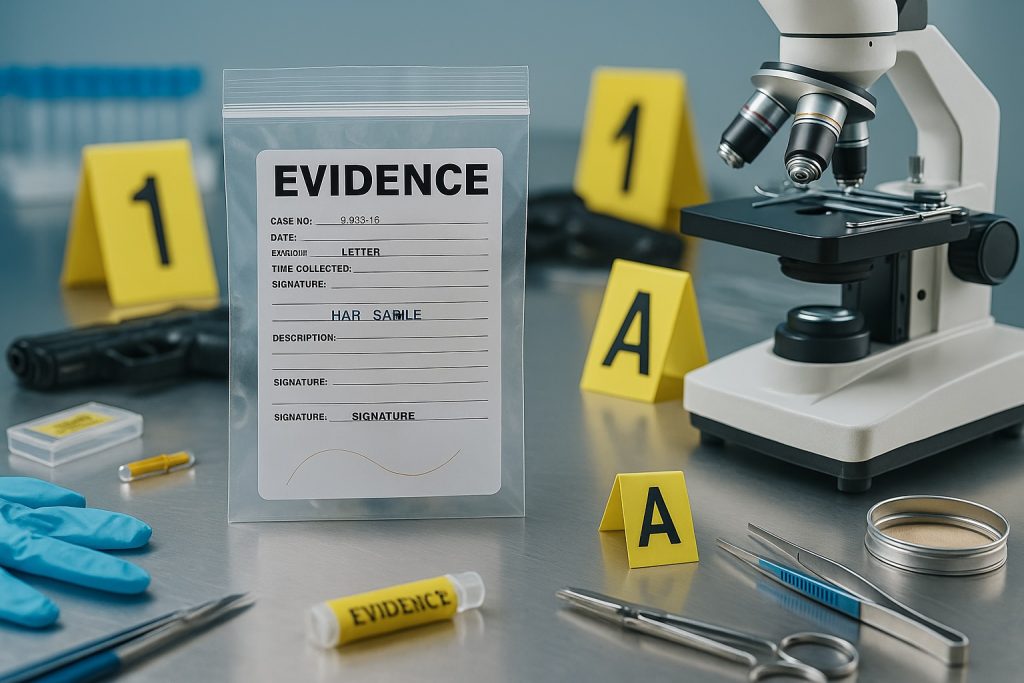
Police use hair testing to verify timelines of drug use, sometimes even reopening cold cases. One famous 19th-century poisoning case was solved decades after burial when scientists tested preserved hair and found lethal arsenic levels consistent with slow poisoning — leading historians to reclassify the death as murder.
Child Protection & Custody Battles
Courts frequently order hair tests to determine whether a parent is secretly using illicit substances over a sustained period. Unlike urine — which only reveals recent consumption — hair can expose repeated or chronic use.
Elite Athletes & Doping Watchdogs
The World Anti-Doping Agency uses hair to detect long-term anabolic steroid use, even when blood appears clean. Certain athletes have attempted to bleach or shave their hair to avoid detection — which is often treated as an admission of guilt.
Employers & Insurance Companies
Some industries quietly screen job applicants using hair, especially in transportation, security, and finance — operating under the belief that hair offers a more honest account than a self-disclosed past.
NASA and Extreme Environment Monitoring
NASA researchers have used hair to evaluate stress markers and metabolic strain in astronauts returning from orbit — positioning hair as a non-invasive biomarker for long-term resilience.
Mini Case Studies: When Hair Told the Truth
The Rockstar Who Claimed Sobriety — Until His Hair Test Played Back His Greatest Hits
A well-known musician (unnamed publicly for legal reasons) sued a tabloid for alleging ongoing drug use. Confident in his sobriety, he volunteered a blood test — clean. Unfortunately for him, the opposing lawyers requested hair analysis instead. The lab results charted six months of steady cocaine intake, segment by segment. The lawsuit was quietly withdrawn.
A Toxic Mystery — Solved by a 300-Year-Old Wig
In 2004, French forensic researchers tested strands of hair from Napoleon Bonaparte’s preserved locks. High arsenic levels triggered headlines claiming he was poisoned. Later studies concluded that arsenic-based hair powders and dyes — fashionable in his era — likely contributed to the contamination. Ironically, hair revealed truth — but not the one people expected.
Wellness Tool or Pseudoscience? The Gray Area of Hair Mineral Analysis
Not all hair testing is created equal. While forensic labs use standardized protocols, many commercial wellness clinics offer “hair mineral reports” that claim to diagnose fatigue, depression, inflammation, or gut imbalance based on trace metal ratios.
Studies show some value — for example, elevated mercury in pescatarians, or low zinc in chronic dieters — but interpretations are inconsistent across labs.
Key takeaway: Hair can reliably detect presence — but not always provide clear diagnosis. Hair professionals interested in offering testing need legitimate lab partners, not flashy wellness gimmicks.
Why This Matters to Cosmetologists and Trichologists
Hair professionals stand at the frontline of observation. You are often the first to notice when hair looks dull, brittle, or thinning — signs that may reflect internal imbalance rather than surface damage.
Imagine offering clients:
- Nutritional Hair Profile Consultations
- Scalp & Stress Marker Screenings
- Heavy Metal Exposure Reports
While salons should not claim to diagnose or treat disease, they can offer data-driven referrals and wellness discussions.
A trichologist who partners with a verified lab could offer packages such as:
“Hair Health Assessment — Includes Microscopic Scalp Imaging + Mineral & Toxin Hair Scan + Personalized Product Protocol.”
Not only does this elevate credibility — it transforms haircare from cosmetic service into biofeedback coaching.
The Future of Hair as a Data Device
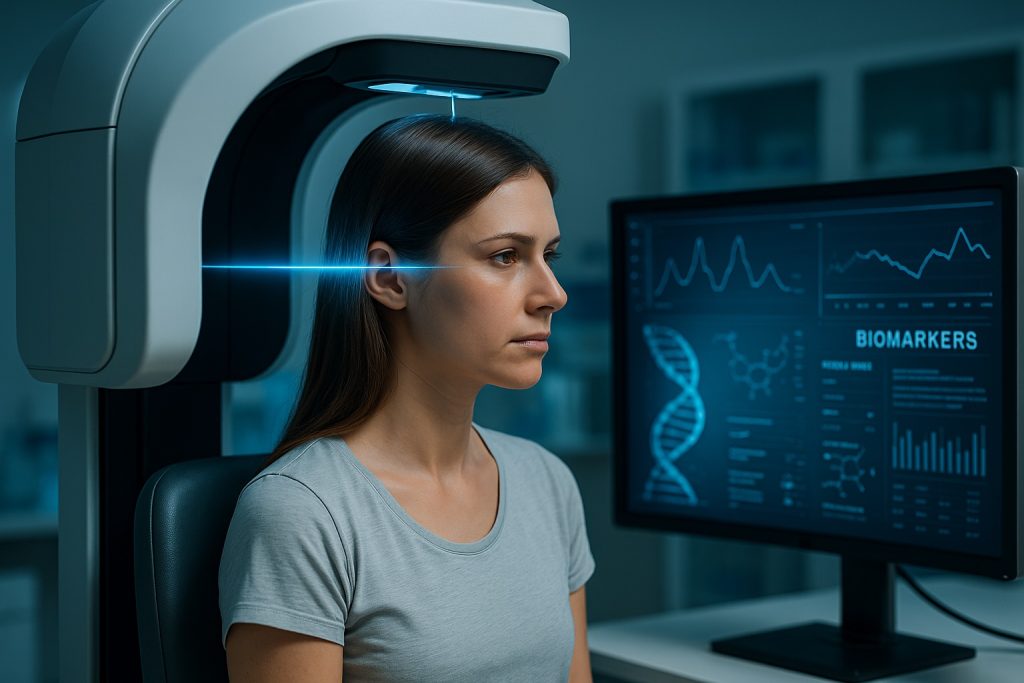
Research is advancing beyond chemical analysis.
Scientists at ETH Zurich have begun embedding micro-sensors into artificial extensions capable of detecting UV exposure, sweat composition, and airborne pollutants. The concept: smart hair that reports on daily health metrics.
Meanwhile, in Japan, researchers are experimenting with DNA-based hair artificial intelligence, where a single strand can be scanned to predict predisposition to autoimmune hair loss conditions — decades before symptoms occur.
Final Thought
You can dye it, curl it, or cut it all off — but your hair remembers. Long after moments fade from memory, your strands still whisper what really happened. Whether you are a forensic detective, a medical researcher, or a hairdresser standing behind a client’s chair — every follicle is a file of personal history.
And the question for hair professionals is no longer “Can hair reveal health?”. It’s: “Are you prepared to interpret what it’s telling you?”