Blog
Exercise Your Way to Healthier Hair

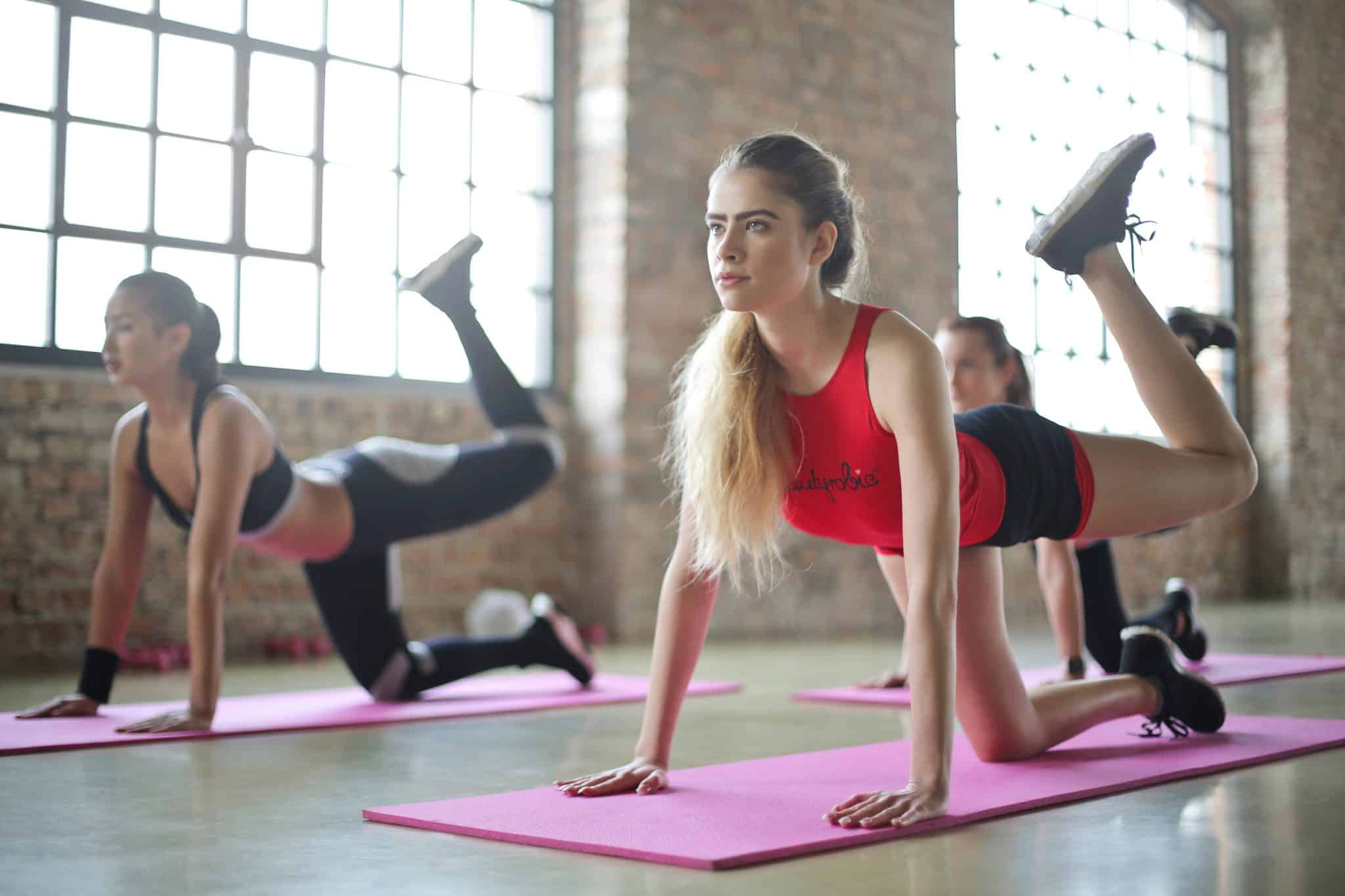
While exercise is widely recognized for its benefits to physical and mental health, its impact on hair health often goes unnoticed. Regular physical activity improves blood circulation, reduces stress, and enhances nutrient absorption—all of which are crucial for maintaining healthy hair. In this article, we explore the science behind the connection between exercise and hair health and suggest ways an active lifestyle can prevent hair thinning and promote growth.
Blood Circulation and Hair Growth
One of the main ways exercise benefits hair health is by boosting blood circulation. The scalp requires a consistent supply of oxygen and nutrients to nourish hair follicles and promote growth. Cardiovascular exercises such as running, cycling, or swimming increase heart rate, improving blood flow to the scalp.
A 2021 study published in the *Journal of Dermatology Research* found that individuals who engaged in 30 minutes of aerobic exercise five times a week experienced a 20% increase in scalp blood flow, resulting in healthier hair over six months. Enhanced circulation ensures that hair follicles remain active and reduces the risk of hair thinning caused by poor nutrient delivery.
“Improved blood circulation through regular exercise helps transport vital nutrients to hair follicles, creating an optimal environment for hair growth,” explains Dr. Emily Carter, a trichologist.
Stress Reduction and Hair Health
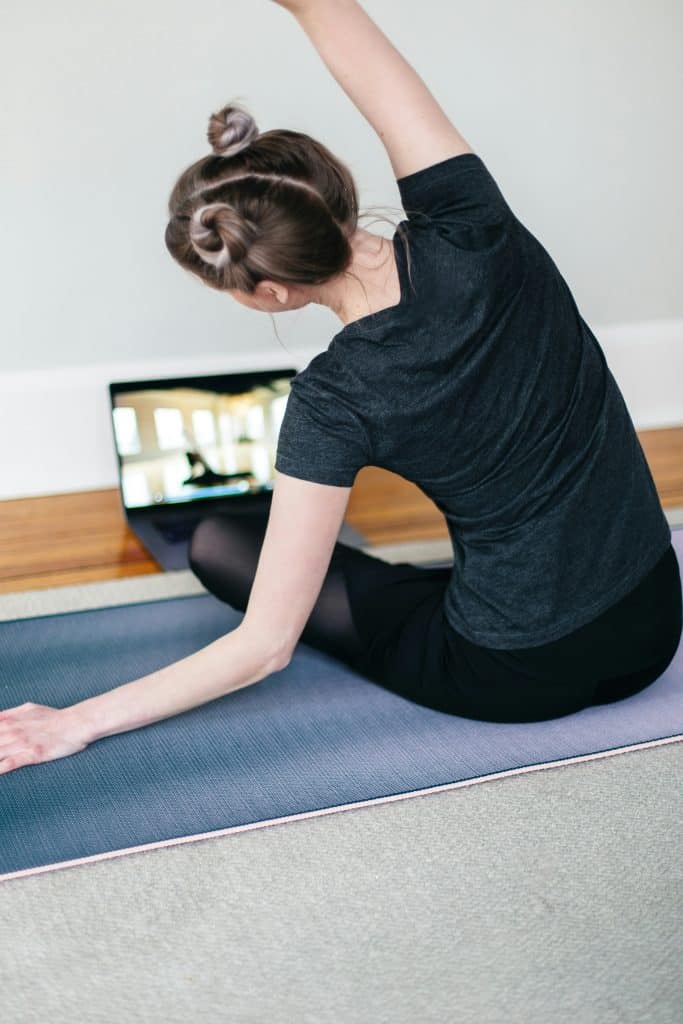
Chronic stress is another well-documented cause of hair loss, often leading to conditions such as telogen effluvium or alopecia areata. Exercise plays a critical role in reducing stress levels by lowering cortisol, the stress hormone. Activities like yoga, Pilates, and tai chi combine physical movement with mindfulness, promoting relaxation and reducing stress-related hair loss.
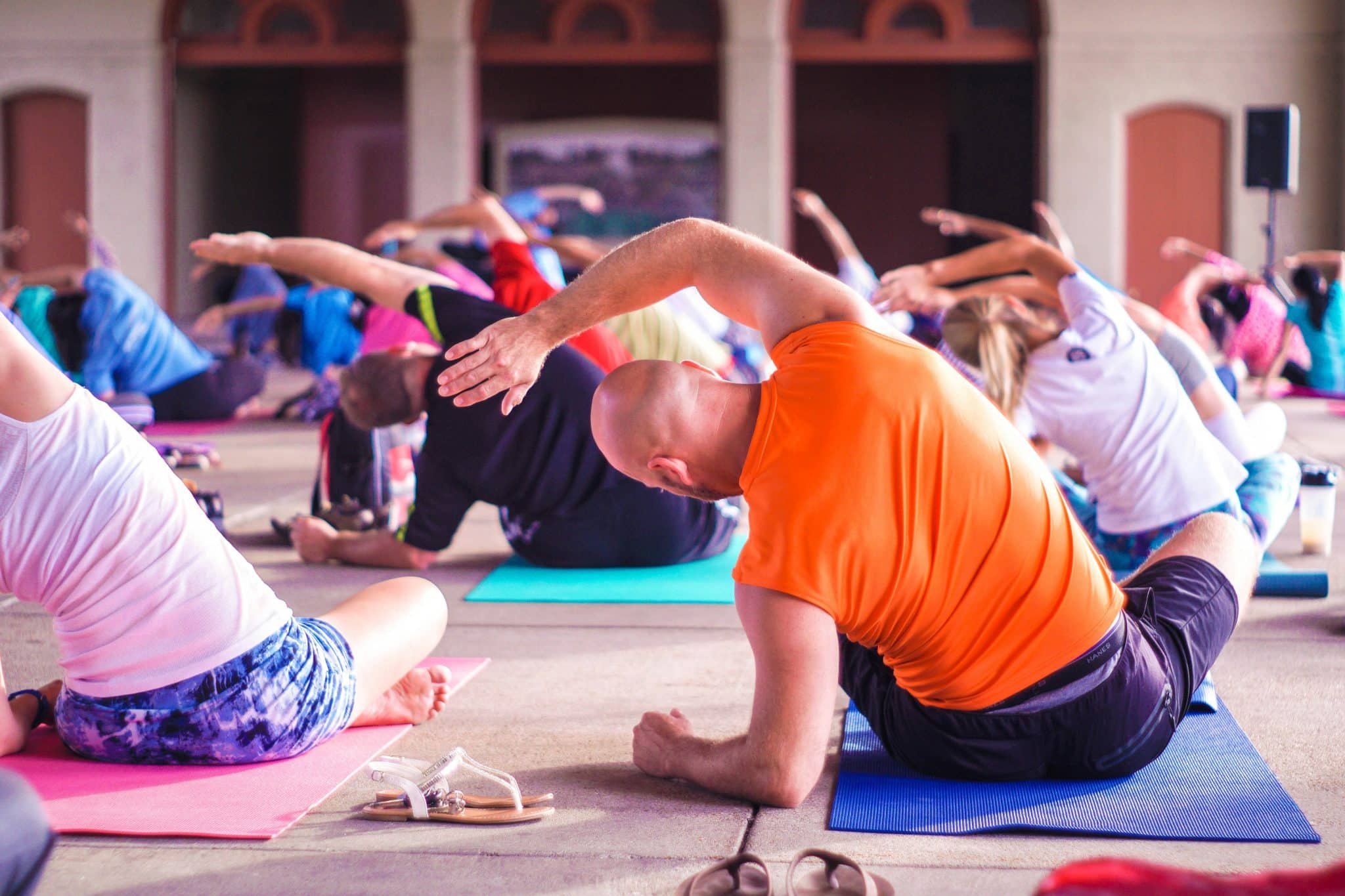
A 2023 study in *Psychoneuroendocrinology* revealed that individuals who practiced yoga three times a week showed a 35% reduction in cortisol levels and reported less hair shedding compared to a control group. This finding demonstrates the role stress management can play in maintaining hair health.
Exercise and Hormonal Balance
Hormonal imbalances are a common contributor to hair thinning, particularly in women experiencing menopause or individuals with conditions like polycystic ovary syndrome (PCOS). Exercise helps regulate hormone levels, including androgens, which can affect hair growth.
Strength training and high-intensity interval training (HIIT) have been shown to balance testosterone and estrogen levels, reducing the impact of androgenic alopecia. Additionally, regular exercise improves insulin sensitivity, which can help reduce hair loss in people with insulin resistance.
“Hormonal balance achieved through consistent exercise can significantly reduce hair thinning caused by androgen sensitivity,” notes Dr. Michael Levine, an endocrinologist.
Enhanced Nutrient Absorption
Exercise stimulates the digestive system, improving the absorption of essential nutrients such as biotin, zinc, iron, and vitamins A, D, and E—all vital for healthy hair. A balanced diet combined with regular physical activity ensures these nutrients reach hair follicles efficiently.
According to a report by the *World Health Organization* (2022), individuals who maintain an active lifestyle are 25% less likely to experience nutrient deficiencies that contribute to hair thinning. In addition, weight-bearing exercises have been linked to increased bone density and improved overall nutrient metabolism, which indirectly support hair health.
Sweating and Scalp Health
Sweating during exercise helps unclog hair follicles by flushing out dirt, oil, and other impurities from the scalp. This natural cleansing process reduces the risk of folliculitis and dandruff, conditions that can hinder hair growth. However, it’s important to cleanse the scalp post-exercise to prevent buildup and maintain a healthy environment for hair.
“Sweat is nature’s way of detoxifying the scalp, but proper scalp hygiene post-exercise is essential to reap the full benefits,” says dermatologist Dr. Anya Roberts.
Exercise Regimens for Optimal Hair Health
Specific Exercises That Benefit Hair Growth
- **Scalp Yoga:** Specific yoga poses like the downward-facing dog and camel pose increase blood flow to the scalp, nourishing hair follicles.
- **Cardio Workouts:** Running, cycling, and swimming enhance overall circulation, ensuring the scalp receives adequate oxygen and nutrients.
- **Strength Training:** Exercises like squats, lunges, and weightlifting help balance hormones, reducing the risk of hair thinning caused by hormonal imbalances.
- **Neck and Shoulder Stretches:** These exercises improve blood flow to the head and scalp, promoting better follicular health.
- **Breathing Exercises (Pranayama):** Techniques like alternate nostril breathing and Kanakabati reduce stress and cortisol levels, fostering a healthy scalp environment.
- **Cardiovascular Exercises:** Activities like jogging, brisk walking, and cycling enhance blood flow and oxygen delivery to the scalp.
- **Strength Training:** Lifting weights or resistance band workouts help regulate hormones and improve overall metabolic function.
- **Yoga and Meditation:** Stress-relieving practices that combine movement with mindfulness to lower cortisol levels and promote scalp health.
- **Scalp Massages as Part of Cool-Down:** Incorporating scalp massages post-workout further stimulates circulation and promotes relaxation.
Exercise-Induced Hair Damage: Myths and Facts
While exercise offers numerous benefits for hair health, some myths persist about its potential for damage:
Myth: Excessive sweating causes hair loss.\
Fact: Sweating is beneficial for scalp detoxification, but poor hygiene post-exercise can lead to buildup, potentially affecting hair health.
Myth: Wearing tight ponytails during workouts causes permanent hair loss.\
Fact: While tight hairstyles can lead to traction alopecia, using loose hair ties and alternating hairstyles can prevent damage.
The Role of Professional Guidance
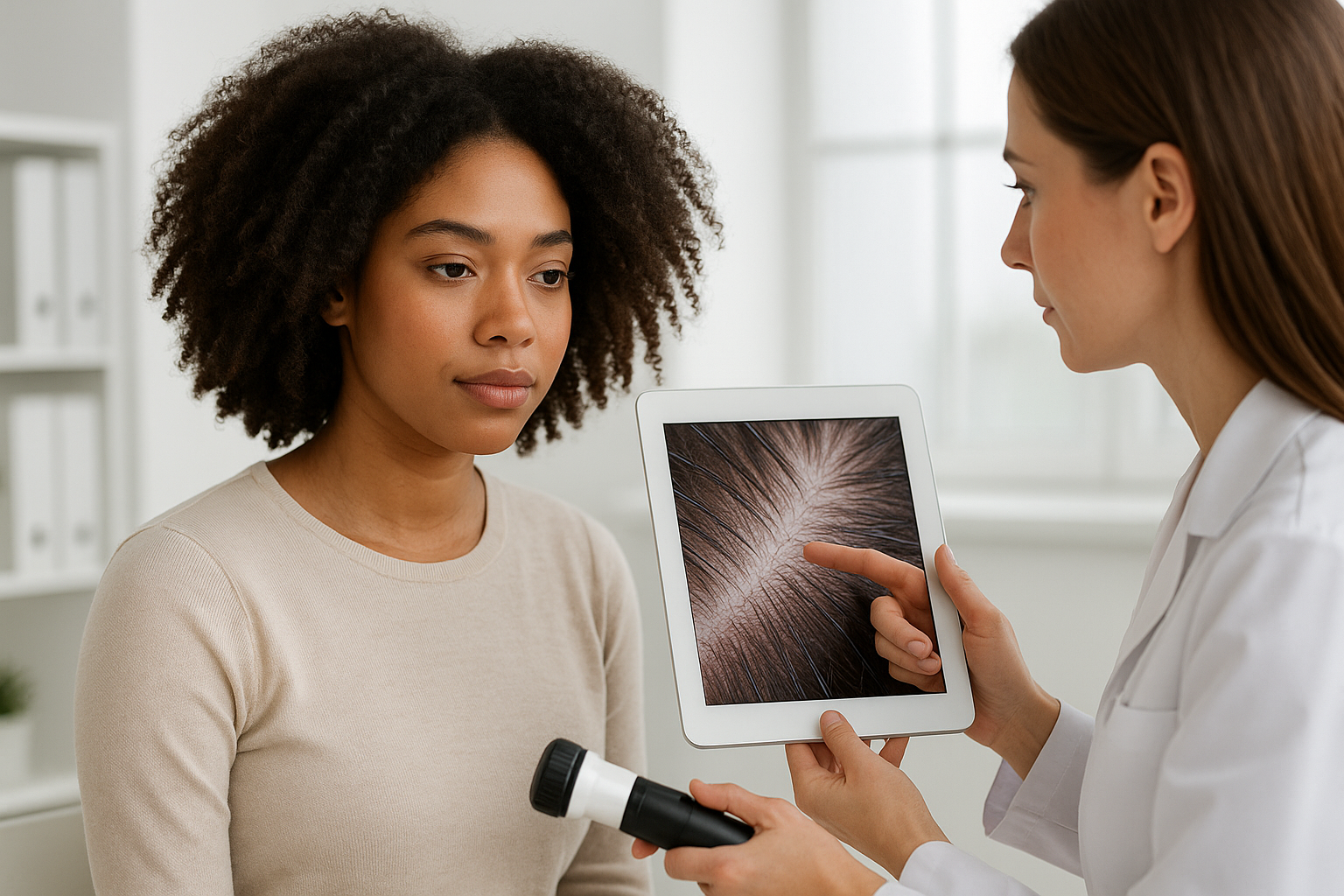
Consulting with a trichologist or dermatologist can help tailor exercise and hair care routines to individual needs. Professionals can recommend specific exercises and complementary hair products that enhance the benefits of physical activity.
Don’t Just read This Article – Act On It!
The link between exercise and hair health is undeniable. From improving blood circulation to reducing stress and enhancing nutrient absorption, an active lifestyle supports the conditions necessary for healthy hair growth. By integrating exercise with proper hair care and professional guidance, individuals can achieve stronger, fuller, and healthier hair.