Blog
Unseen Damage

How UV Radiation Secretly Wrecks Your Hair
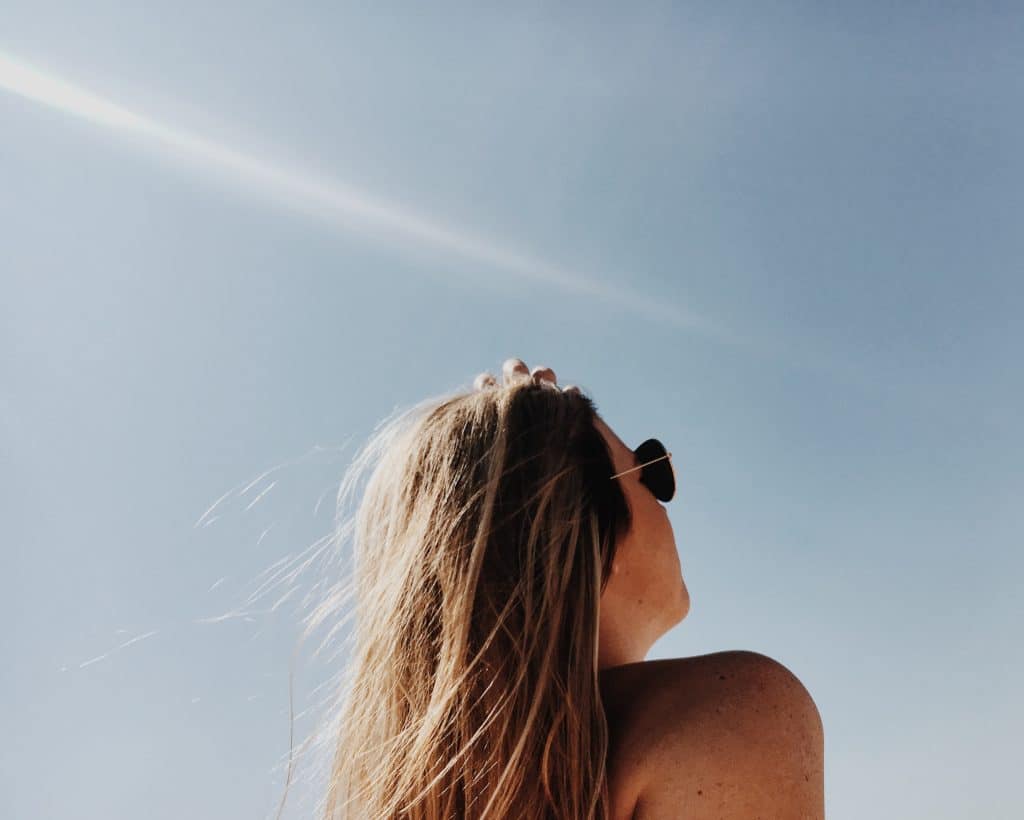
What UV Radiation Does to Hair: A Comprehensive Analysis
Introduction
Ultraviolet (UV) radiation, a component of sunlight, is known for its detrimental effects on skin, but its impact on hair is less frequently discussed. Hair care professionals and individuals with a keen interest in hair health need to understand the detailed physical and biological effects of UV radiation on different hair colors and textures. This article delves into the lesser-known impacts of UV radiation on human hair, comparing these effects with those on synthetic hair, and considers the implications for wig wearers in high UV environments.
Physical Effects of UV Radiation on Hair
Structural Damage
 UV radiation causes significant structural damage to hair, regardless of color or texture.
The two main types of UV rays, UVA and UVB, penetrate the hair shaft and degrade its protein structure. UVA rays penetrate deeper, breaking down the hair’s internal structure, while UVB rays cause surface damage. This results in weakened hair that is more prone to breakage and split ends.
Color Fading
UV radiation accelerates the fading of hair color, whether natural or artificial. Melanin, the pigment responsible for hair color, absorbs UV radiation, leading to the breakdown of its molecular structure. Darker hair, which contains more melanin, offers some natural protection but is still susceptible to color changes and loss of luster. Lighter hair, especially chemically treated or bleached hair, is more vulnerable to rapid color fading and increased fragility.
Moisture Loss
Exposure to UV radiation leads to a significant loss of moisture in hair. The heat and radiation strip away natural oils from the scalp and hair, resulting in dryness and brittleness. This effect is compounded in textured hair, which already has a tendency to be drier due to the coiled structure that makes it difficult for natural oils to travel along the hair shaft.
Biological Effects of UV Radiation on Hair
Protein Degradation
Hair is primarily composed of keratin, a protein that provides strength and elasticity. UV radiation breaks down the disulfide bonds in keratin, leading to weakened hair structure. This degradation is more pronounced in chemically treated or damaged hair, which has fewer natural defenses against environmental stressors.
Scalp Health
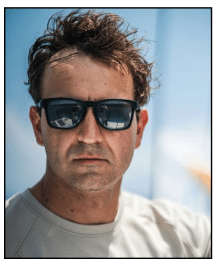 Prolonged exposure to UV radiation can adversely affect scalp health, leading to conditions such as sunburn and dryness. A compromised scalp environment can hinder hair growth and exacerbate hair loss issues. It’s crucial for individuals with thinning hair to protect their scalp from UV radiation to maintain a healthy growth environment.
Effects of UV Radiation on Different Hair Colors and Textures
Dark Hair
Dark hair, rich in melanin, provides some natural UV protection but is not immune to damage. The high melanin content can absorb more UV radiation, leading to potential internal damage while offering a degree of protection against color fading.
Light Hair
Light hair, which has less melanin, offers minimal natural protection and is highly susceptible to UV damage. This hair type experiences faster color fading, increased dryness, and higher susceptibility to breakage.
Textured Hair
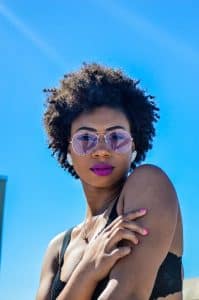 Textured hair, which includes curly and coily types, is naturally drier due to its structure. UV radiation exacerbates this dryness, leading to increased brittleness and breakage. The coiled structure of textured hair makes it more challenging for natural oils to distribute evenly, heightening its vulnerability to environmental stressors.
UV Radiation and Synthetic Hair
Synthetic hair, commonly used in wigs and hair extensions, reacts differently to UV radiation compared to natural hair. Most synthetic fibers are more resistant to UV damage due to their chemical composition. However, prolonged exposure to UV radiation can cause synthetic hair to become brittle, discolored, and less manageable. High-quality synthetic fibers often have UV inhibitors incorporated during manufacturing to mitigate these effects, but these inhibitors can degrade over time.
Wig Wearers and UV Protection
Wig wearers may benefit in high UV environments as wigs can offer a protective barrier against direct UV exposure. However, the effectiveness of this protection depends on the material and quality of the wig. Natural hair wigs, while providing a more natural appearance, are subject to the same UV damage as natural hair. Synthetic wigs with UV inhibitors offer better protection but still require proper care to maintain their integrity.
Global Warming Is Here To Stay
 Understanding the impact of UV radiation on hair is essential for hair care professionals and individuals dedicated to maintaining healthy hair. UV radiation causes significant structural and biological damage to hair, with varying effects based on hair color and texture. While synthetic hair may offer some resistance, it is not immune to UV damage. Wig wearers, especially in high UV environments, should consider the protective benefits of their wigs and take additional measures to safeguard their natural hair and scalp.
As UV radiation levels increase, it’s crucial to develop and utilize sun care products specifically formulated for hair. Incorporating UV protection into everyday hair care routines, such as using leave-in conditioners with SPF and wearing protective headgear, can mitigate the adverse effects of UV exposure. By staying informed and proactive, we can better protect our hair from the relentless impact of UV radiation.