
Blog
My Laser Journey


A top transplant doctor describes how light therapy (laser) is improving patient outcomes Dr. Robert Leonard is the founder of Leonard Hair Transplant Associates and director of the Hair Health Institute. He has been in practice in the field of hair restoration surgery for 32 years and actively involved in the International Society of Hair Restoration Surgery as its founding secretary. He is a past ISHRS president and remains involved with the communications and public education committee. He is also one of nine members who have attended all twenty-six world congresses of the ISHRS.
Hair Authority: Laser therapy had a slow start in the hair replacement and restoration market. Perhaps because no-one knew what to call it. Was it photobiostimulation or LLLT (low-level laser light therapy)? And what was “coherent” light anyway? Leonard Hair Transplant Associates was one clinic that didn’t have these problems and was one of the first clinics to embrace light therapy. What motivated you?
Robert Leonard: Besides my family and my faith, hair care has been a personal obsession for a long time and I’m blessed to have been one of the leaders in this field. I continue to be deeply interested in all technologies that take care of patients with hair loss. For the last 24 years, I have offered low level laser therapy to my patients. For the first nineteen and a half of these years, I used office-based devices where patients had to come into the office something like 40 times during their year of treatment. Obviously, that was very inconvenient for people. About six years ago, home-use laser devices became available, which have been extraordinarily helpful, not only by giving people easy access to this excellent treatment modality, but by ensuring better compliance. A laser is only effective if it’s used consistently and is easy to use.
HA: We’re sitting under a banner which says Hair Health Institute. What is this institute?
RL: Hair Health Institute is a company that I founded many years ago, but it’s always been in the background. The public knows me as the founder of Leonard Hair Transplant Associates, but the Hair Health Institute’ has been around for almost as long. Through the Institute, I discuss the use of the Capillus family of laser cap devices with patients and with the general public. This year, I decided for the first time to be an exhibitor at the World Congress of the ISHRS to offer consultation services to colleagues about laser hair therapy and to explain how they can incorporate it into their practices. It is excellent for their patients and good for their practices.
HA: It took a long time for laser therapy to get accepted even though clinical tests showed it to be effective. In fact, even after the FDA said it was a safe modality, the medical profession still had a hard time embracing it. Has that now changed?
RL: What you said is correct; in fact, at the beginning, I was one of the biggest doubters of this therapy. But, because I have an open mind and because we did not have many effective treatments for androgenic alopecia and female pattern hair loss at that time, I went ahead and purchased my first office laser device anyway. It cost $50,000, which was a tremendous amount of money in those early days for an unproven therapy. For an entire year, I used this device on my first 50 patients without charge, so I could see for myself exactly what this modality could or could not do. And I was pleasantly surprised to observe that it turned out to be a very effective hair loss treatment. This was long before any medical studies on this technology were on the table.
[rml_read_more]
HA: So, you were one of the first laser pioneers.
RL: I had to see the results for myself. My reputation is important to me and I would never offer something to patients that I didn’t believe would be effective. Thankfully, I have enjoyed a long career offering laser hair therapy to patients; and as the years have gone by, the devices have improved. We are now at a point where the CapillusRx, which is the device that I offer to my patients through the Hair Health Institute, only needs to be worn for six minutes a day. And the benefits are superlative.
HA: As with all devices, they’re only as effective if they are used. You don’t want the laser to end up like the exercise bicycle in the garage.
RL: You’ve been to my garage….
HA: Laser devices have become smaller, more personal, easier to integrate into your everyday life. Where do we go from here?
RL: There was a big change in the Capillus technology about one year ago. For the last five years, I’ve been using the Capillus 272 Pro, which was a hard cap that had 272 laser diodes embedded into it that fluctuated on and off. Because they pulsed, the device had to be worn for 30 minutes, every-other-day. My mother wore it. Other younger family members also had female pattern hair loss too and they wore it as well. However, compliance, with this every-other-day schedule was a problem for everyone. I would go out to dinner with my wife and come home at 11:00 at night and, if it was the night I was supposed to wear the laser, guess what? I went to sleep. I didn’t wear the laser. Compliance definitely was a significant issue for my family. In November or December of last year however, the Capillus company launched its latest device called the CapillusRx, which offered three major upgrades. Firstly, they made it into a soft flexible cap which is lined with silicone and I can attest that it’s very comfortable. Secondly, they added 40 more laser diodes within the device, bringing the total to 312. The more concentration of laser energy on the scalp’s capillary bed, the more effective the patients’ results will be. That’s the circulatory system that feeds the l00,000-150,000 individual follicles on our scalps. And finally, the electronics were changed from a pulsatile laser to a non-pulsing, solid beam, which allows the treatment time to be decreased to just six minutes a day.
HA: For people who are not familiar with the pulsing versus non-pulsing technology, could you explain why one is better than the other?
RL: They’re equally effective as far as what they can do for hair loss, but the way you have to use them is fundamentally different. Both pulsing and non-pulsing protocols can allow approximately 90 percent of people to decrease hair shedding and miniaturization of the follicle, and help 60 percent of individuals to re-grow their hair. Pulse technology requires a longer treatment time and more spacing between treatments. The recommendation used to be a half hour, every-other-day; however, the latest non-pulsing devices has cut down each session to just six minutes a day. As you mentioned before, compliance is the key. I happen to think it’s more civilized to do something six minutes every day than a half hour every other day. I wear mine when I’m shaving and brushing my teeth every morning and my treatment is finished by the time I leave the bathroom. As a physician, I’m noticing improved results from my laser patients and I think it’s due to significantly better compliance.
HA: Are we going to see lasers continue to reduce in size?
RL: I really don’t know. The thing is people have to wear this device. There are many laser devices from which to choose, from handheld units to multiple forms of headware. I think comfort becomes increasingly important as does less time wearing it on the scalp. Perhaps future generation may be wearing it only two minutes a day…
HA: You talked about the next generation. Do you think that caring for your hair, maintaining a healthy scalp, will be part of an accepted personal care regimen? You drink your 8oz of water, eat organic food, go to the gym, so why not take care of your scalp?
“One of the scariest statistics of hair loss is that you only really become aware of your thinning when 50 percent of your hair has already
miniaturized.”
RL: That’s an important question because in my practice, many young men come into the office and I examine their scalps and I can immediately tell that they haven’t shampooed in at least two weeks. The health of the scalp and the health of the follicles are critically important if you want to have healthy hair shafts. The first thing I do is to tell those guys to shampoo every day and to use a product line without laurel sulfate, parabens and phthalates because those are harmful tothe hair shaft. We currently have a shampoo and conditioner called ‘Copper Chemist’ that fits this bill. In fact, the Hair Health Institute is looking into creating an expanded product line that would be beneficial to the scalp. I have to remind patients that shampoos or conditioners do not stop the progression of pattern hair loss or re-grow hair. But they can give follicles a healthy milieu and that is important to grow the healthiest hair possible.
HA: Why don’t American men and women do anything about their hair until it’s in trouble while in Asia they start protecting their hair in their teenage years? Maintaining healthy hair care becomes part of their lifestyle.
RL: One of the scariest statistics of hair loss is that you only really become aware of your thinning when 50 percent of your hair has already miniaturized. We live in a fix-it society, not a pre-emptive one. The problem is well underway before it is recognized. In our practice, we see young people coming in who’ve lost 17 hairs in their hairline and the first thing they want to do is have a hair transplant, which is totally inappropriate. We see a 23-year-old kid come in with a balding area in the crown. He wants to have surgery. Totally inappropriate. We have fantastic non-invasive options to help these people without having to do surgery. I don’t want to minimize how important hair transplant surgery can be, but it’s important for these patients to first retain and manage what they already have and then we can consider how to add density with surgery. That’s where nonsurgical therapies, like the CapillusRx laser, Propecia, and Rogaine are so important.
HA: Going back to Hair Health Institute, how do you support men and women who come to you because they are concerned about the condition of their hair?
RL: We will soon have a website up and running to explain the causes and types of hair loss and the different solutions available. The focus will be on laser hair therapy and how to integrate it into whatever regimen or procedure they might be considering. I have a vast experience with this technology and one thing you know after all these years we’ve been friends, is that my patients’ best interest is always number one with me. The website will also tell my colleagues how to introduce laser therapy into their practices because I believe it is a valuable companion therapy to just about every other hair loss procedure.
HA: How can readers reach you for more information?
RL: By email at laserhairdr@gmail.com for the Hair Health Institute and through hairdr.com to visit Leonard Hair Transplant Associates.
End
Related Posts

Autumn Shedding

The Thinning Hair Attachment Safety Guide

When Hair Is Not Enough
New Hope for Teens Facing Sudden Hair Loss

What If You Could See the Future You?

Independent Hair News Source Joins Telehealth Brand

Cambridge Researchers Harnessing Cellular Energy
Hair, Health, and Hope
Hair Loss Tops Global Beauty Concerns

Stem Cells Discovery Sheds Light on Hair Regeneration

Just Say NO to Premature Cosmetic Procedures
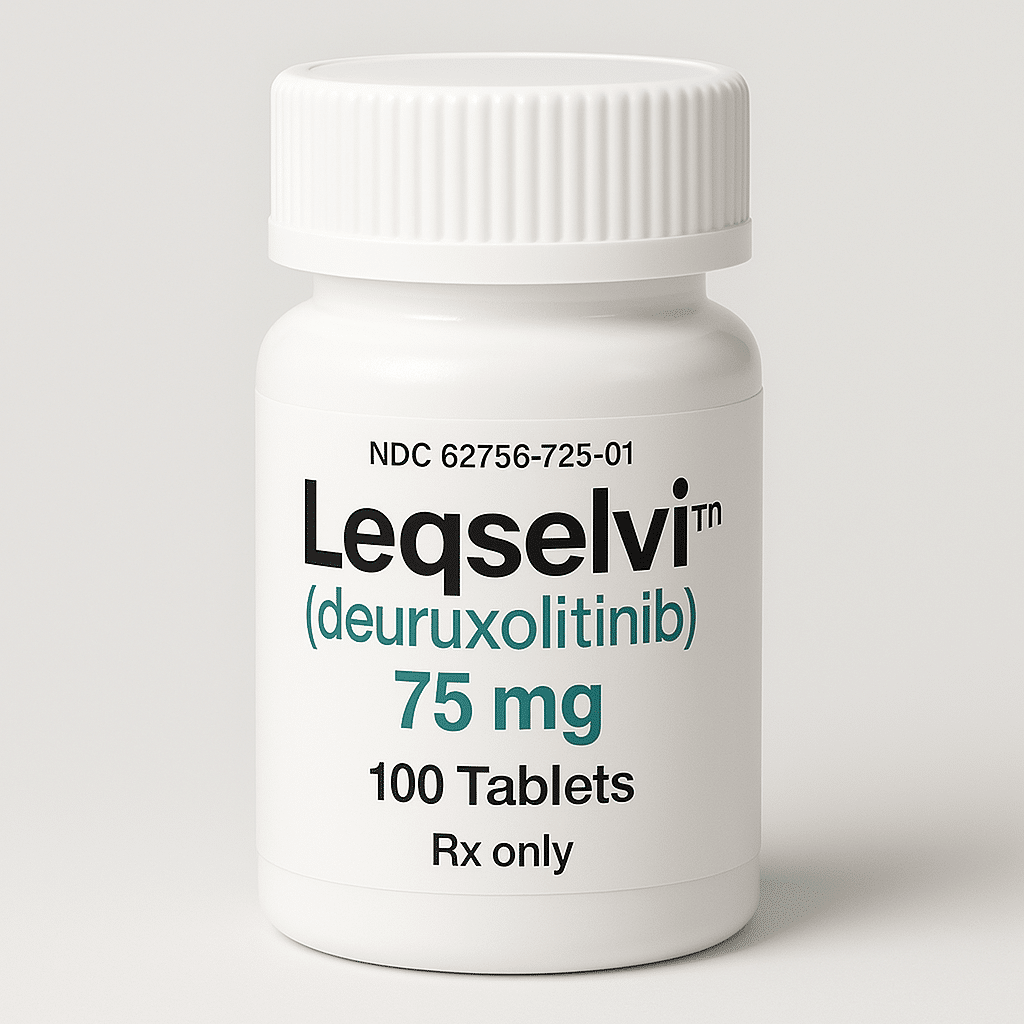
Leqselvi – FDA Approved for Severe Alopecia Areata
One thought on “My Laser Journey”
You must be logged in to post a comment.
Amazing.