Blog
New Hair Loss Research

American Academy of Dermatology hair highlights.
 With the winter meeting of the American Academy of Dermatology (AAD) in full session in Washington, D.C., I noticed that in their program was a section called “non-transplant alopecia treatments grow in popularity”.
The three items discussed were:
1) Platelet-rich plasma (PRP): “PRP is the autologous high concentration of platelets in a small volume of plasma. It’s performed in a 10-minute process that’s comprised of five steps: Collect the blood, centrifuge it, remove platelet-poor plasma (PPP), re-suspend and collect PRP, and inject,” said Dr. Neil Sadick.
It is thought that PRP works on helping improve hair loss by promoting “vascularization and angiogenesis”, meaning that it helps form new blood vessels around the hair papilla (bulb). This in turn will trigger new hair growth, increase the length of the growing (anagen) stage of the hair cycle, and reduce inflammation, a possible contributor to hair loss.
2) Microneedling: “Microneedling is the practice of wounding the skin to mimic embryonic follicle development and to express nascent follicles [new hair follicles]. By introducing microscopic punctures to the skin, the follicle infundibulum [the upper segment of the hair follicle] is dilated, and the patient will experience improved transepidermal [through the epidermis of the scalp] and transfollicular [into the hair follicle] delivery of hair growth agents,” said Dr. Nicole Rogers.
Microneedling does have its critics. The most common is that at-home microneedling devices are not regulated therefore they can do more harm than good. In particular, often the needles can injure the scalp and more importantly, cause scalp infections. Although the technique encourages ‘pin-point’ bleeding, if there is some follicular hemorrhaging it may result in scarring alopecia.
3) Laser-assisted drug delivery: “Transdermal drug delivery treatments can include fractionated lasers [ones that have been divided into many microscopic ‘beams]. These create small channels through the stratum corneum to the dermis and can include either ablative lasers or non-ablative lasers [the former removes the top layer–epidermis–of the skin and the latter penetrates directly to the dermal skin layers],” said Drs. Bertin and Junquira.
These lasers are not the same type of lasers used for hair loss treatments in most trichological centers. Like microneedling, they act to wound the skin, increase blood flow, and enhance penetration of topical agents.
{Reference: Dermatology World, March 3, 2019 meeting news edition.}
Does biotin work?
According to a recently accepted manuscript for publication in the Journal of the American Academy of Dermatologists (JAAD), The article states there is limited evidence that biotin supplements improve skin, hair, and nail conditions, even though it is routinely recommended by dermatologists, primary care physicians (PCPs), and other hair-loss specialists.
A study of nearly 450 people concluded that 58% saw no improvement using biotin, and only 14% saw any benefit.
Also, the FDA recently warned that biotin supplementation can interfere with laboratory testing, particularly thyroid disorders, such as Grave’s Disease (hyperthyroidism–over active thyroid).
The researchers concluded that: “With biotin’s potential to affect common laboratory tests and the lack of significant evidence regarding its benefit, it should not be routinely recommended unless there is a confirmed biotin deficiency.”
The fact is that biotin deficiency is extremely rare in a regular western diet.
{Reference: John JJ, et al. Assessment of Biotin Supplementation Among Patients in an Outpatient Dermatology Clinic. Journal of the American Academy of Dermatology, in press.}
Order a big Mac and fries to treat your hair!
 Another potential therapy for hair loss recently caught my eye ….. Mac fries. Yes, that’s right, McDonald’s French Fries!
One of the ingredients in McDonald fries has been found to help regrow hair. The chemical is deimethylpolysiloxane which is in the cooking oil at McDonald’s fast-food restaurants. Deimethylpolysiloxane is a silicone which contains a rich supply of oxygen. When combined with mesenchymal cells (stem cells) and hair follicle germ cells, this silicone ‘mixture’ was then placed in the back of hairless mice, and hair growth resulted.
Now don’t go out and eat a load of Mac fries to regrow your hair because, 1) on its own the silicone does not regrow hair and, 2) eating too many fries can lead to a condition called metabolic syndrome which has been linked to hair loss. Metabolic syndrome includes high blood pressure, high cholesterol and triglycerides, and increased body fat.
{Reference: Tatsuto Kageyama, et al. Spontaneous hair follicle germ (HFG) formation in vitro, enabling the large-scale production of HFGs for regenerative medicine. Biomaterials; Volume 154: February 2018, Pages 291-300}
Can you smell your hair grow?
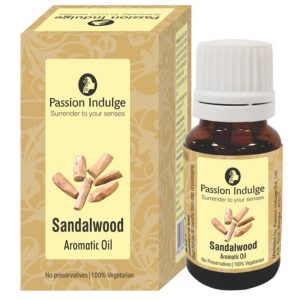 Another interesting publication was in Nature Communications, which said that the outer root sheath of our hair follicles can ‘smell’ sandalwood, which may help hair growth! Before looking to see if your hair follicle has a nose, it should be noted that some of the body’s cells have olfactory receptors which are used for other metabolic processes, other than ‘smelling’.
One such use is to slow down cell death and stimulate anagen-prolonging growth factors in the skin and hair follicles.
The olfactory receptor OR2AT4, the study concludes, is sensitive to a synthetic sandalwood odorant which causes a signal to be sent to the hair follicle to keep the hair in its anagen phase rather than entering catagen.
Some trichologists use aromatherapy as part of their treatment regimens, could this answer some of the questions about how these treatments might work?
{Reference: Cheret J, et al. Olfactory receptor OR2AT4 regulates human hair growth. Nature Communications. 2018; 9:3624.}
Can your headache medicine give you hair loss?
One of the oldest headache medicines, aspirin, has been found in a study to reduce the effectiveness of minoxidil, which could lead to more hair loss.
The study was done on 24 people using daily low-dose aspirin treatment (75mg?81mg), for coronary heart disease. The results indicated that the potential effectiveness of minoxidil was halved when compared with predictions of minoxidil treatment success.
Minoxidil is converted into its active form, minoxidil sulfate, by enzymes in the outer root sheath of hair follicles. These sulfotransferase enzymes predict a person’s response to topical minoxidil in the treatment of genetic hair loss. In the human liver, sulfotransferase activity is significantly inhibited by salicylic acid (the active ingredient in aspirin). Therefore, by reducing the enzyme activity that helps minoxidil be more effective, aspirin can hinder a person’s hair loss treatment.
As this is the first study to report the effect of low dose daily aspirin use on the efficacy of topical minoxidil, I do not suggest stopping your aspirin regimen. Many more studies need to be carried out and the reason(s) for taking the aspirin far outweigh any potential hair problems.
{Reference: Goren A, et al. Low Dose Daily Aspirin Reduces Topical Minoxidil Efficacy in Androgenic Alopecia Patients. Dermatologic Therapy.18 Sept. 2018.}