Blog
The Benefits and Risks of Forehead-Reduction Surgery


Forehead-reduction surgery, also known as a forehead lift, is a procedure that has gained popularity recently, thanks to social media platforms like TikTok where before-and-after pictures of surgeries and stories of rapid recoveries have been circulating.
According to the American Society of Plastic Surgeons (ASPS), forehead lifts saw a 22% increase in popularity from 2019 to 2020. This procedure is particularly popular among women over 50 years of age.
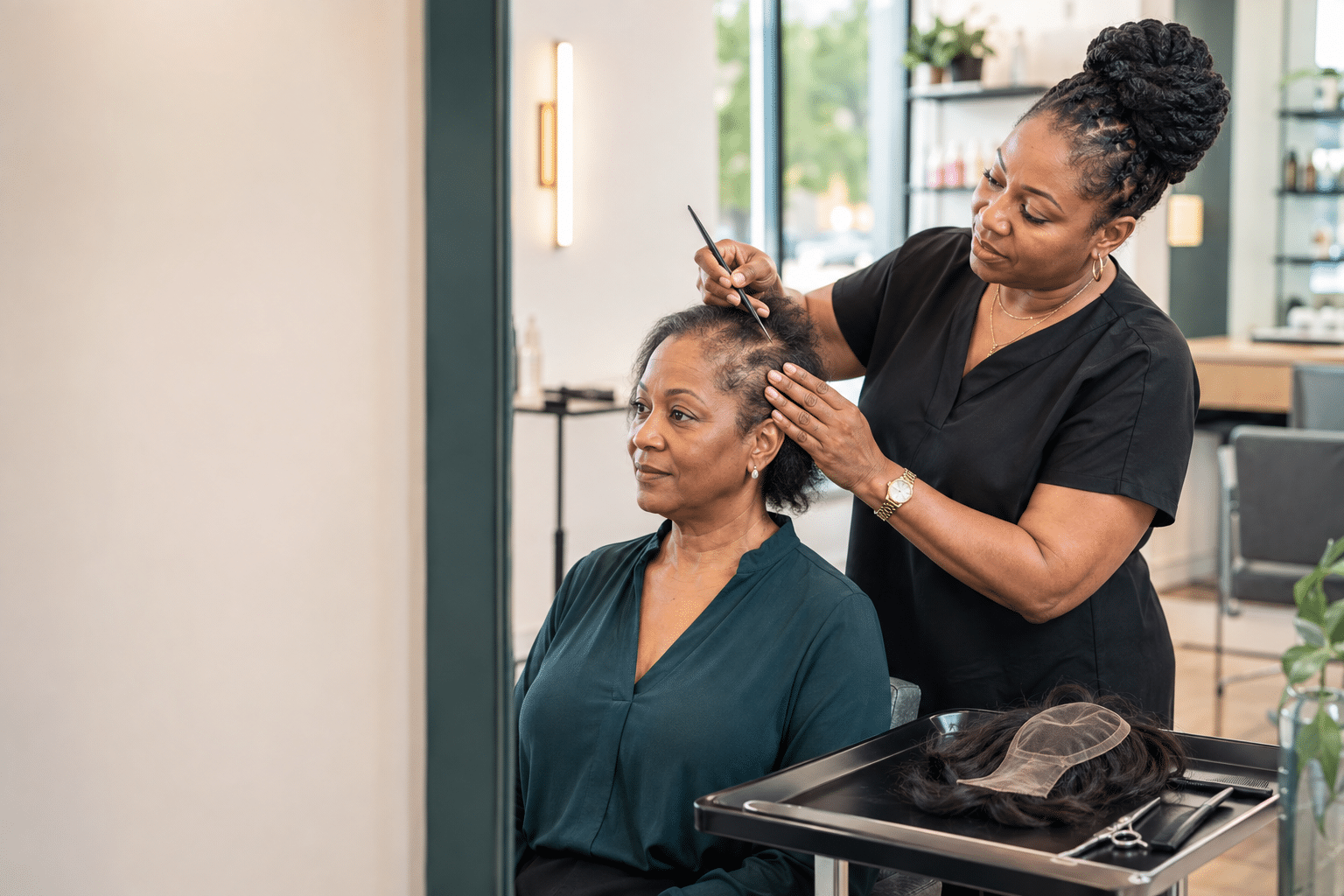
Hair loss is the main reason patients opt for this surgery. Patients with naturally thin hair, or who experience hair loss as they age, often choose to undergo forehead reduction surgery to lower their hairline and achieve the appearance of better hair density.
Natalie Attenello, MD, a facial plastic surgeon and hair restoration specialist, offers insights into the surgery for hair thinning: “Some patients have naturally thin hair, which creates the illusion of aging as it implies a form of hair loss, so many patients do the surgery to remove the natural, thin hair and lower the better-density hairline. Since hair tends to be thicker farther back on the scalp than at the hairline, this surgery pulls it toward the front.”
The surgery involves making small incisions in the hairline, after which the scalp is pulled down to cover the forehead. This can result in a more youthful appearance. Recovery times may vary based on individual factors, but many patients report that recovery periods are relatively short and easy to manage.
While forehead-reduction surgery is a relatively new procedure, it is steadily gaining popularity. Personal stories of success and the proliferation of information on social media have made people more aware of the procedure and its benefits.
As with any surgery, there are potential risks and complications. These may include scarring, nerve damage, and infection. However, when performed by a qualified and experienced surgeon, the procedure is generally safe and produces successful results.
If you’re considering this procedure for yourself, be sure to do thorough research and speak to a qualified medical professional to determine if it’s the right choice for you.
Pull quotes:
“Since hair tends to be thicker farther back on the scalp than at the hairline, this surgery pulls it toward the front.” – Natalie Attenello, MD
“As with any surgery, there are potential risks and complications. These may include scarring, nerve damage, and infection.”