Blog
Understanding Traction Alopecia: Who is Most at Risk?


Self-Inflicted Hair Loss
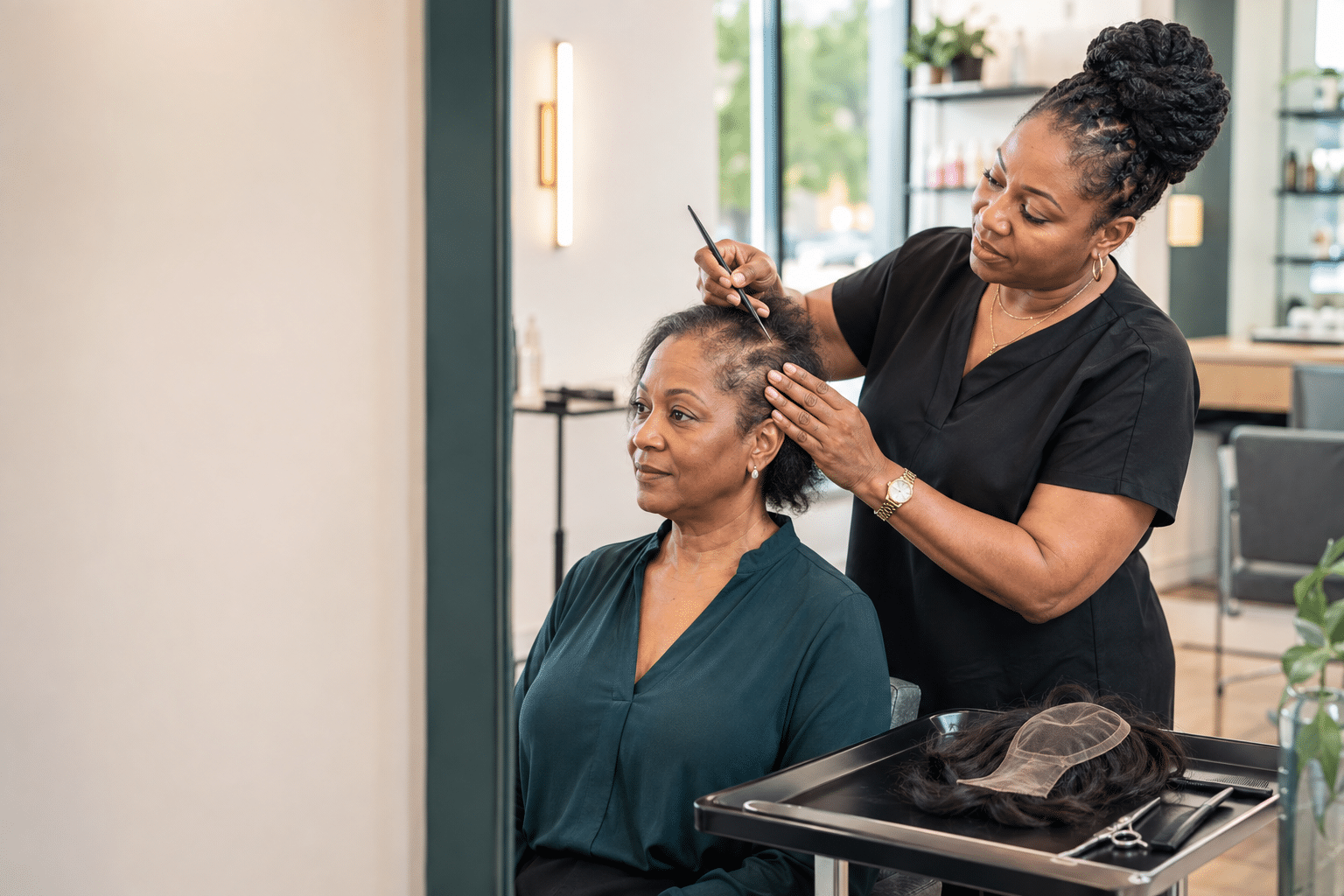
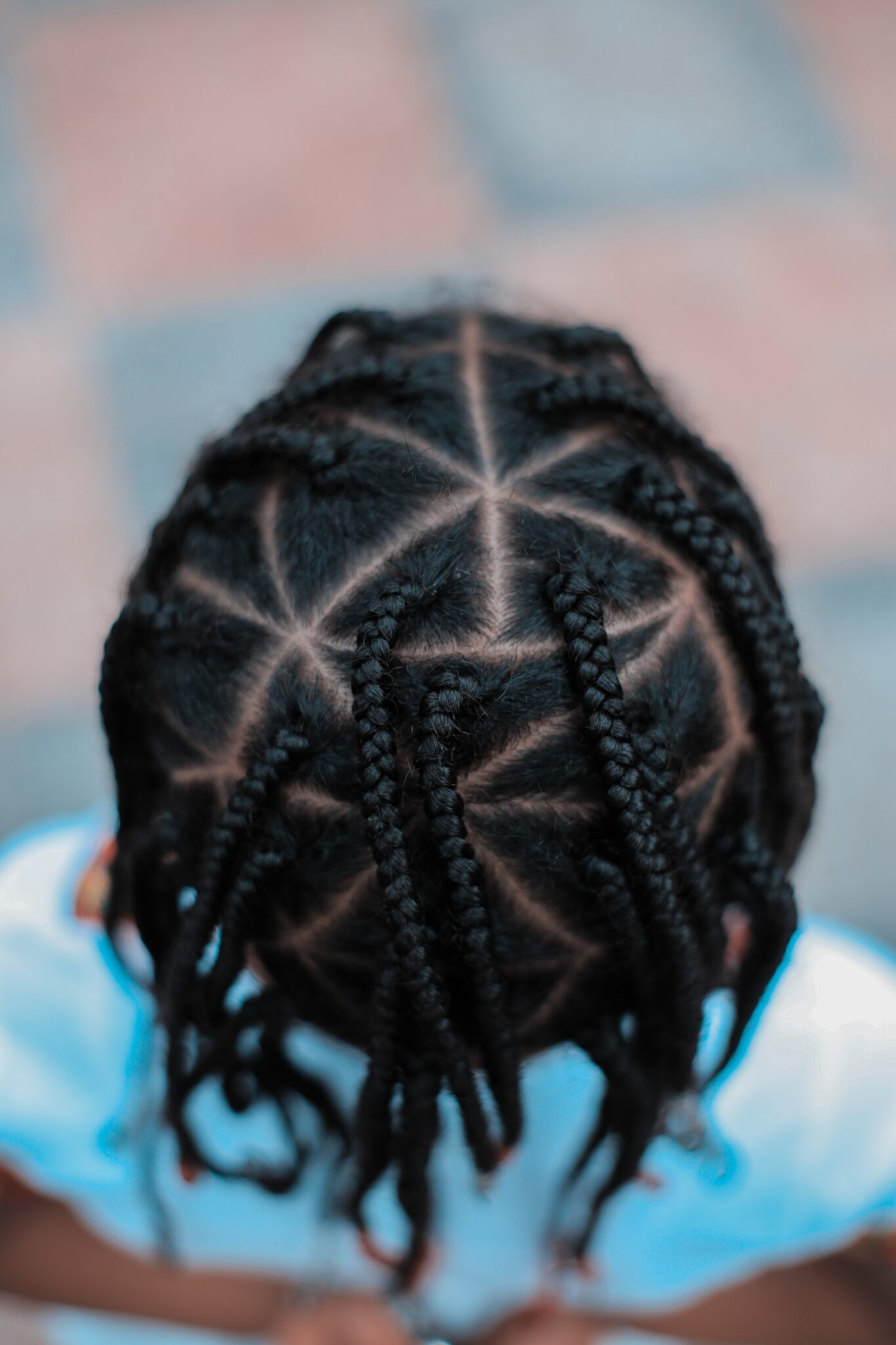 Traction alopecia is a type of hair loss caused by prolonged tension from hairstyles such as tight ponytails, cornrows, and braids. It can affect any part of the scalp but usually affects the edges or temples. While it’s not uncommon to experience some temporary hair loss due to styling, traction alopecia is a result of prolonged traction and can lead to permanent hair loss if not treated.
Traction alopecia is unique in that it is caused not by genetics or age but rather by the long-term traction or pulling on hair follicles due to certain hairstyles. While male pattern baldness and female pattern baldness are both genetic conditions, traction alopecia can be avoided in most cases with proper care of the hair.
Who is Most Affected
In the United States, traction alopecia affects an estimated 2.5 million people each year. Early diagnosis and treatment can significantly reduce long-term effects, so it is important to seek medical advice right away.
 Traction alopecia affects people of all ages and backgrounds, but some groups are more vulnerable to the condition than others. People with naturally curly or textured hair are at higher risk of traction alopecia due to their hair’s tendency to break more easily.
According to the American Academy of Dermatology, traction alopecia is most commonly seen in African women compared to other ethnicities and genders since they often wear their hair in tight braids or ponytails.
Additionally, a 2018 survey conducted by the British Dermatological Nursing Group found that one-third of all women experience some form of hair loss due to styling, with traction alopecia being the most common form.
What Causes Traction Alopecia?
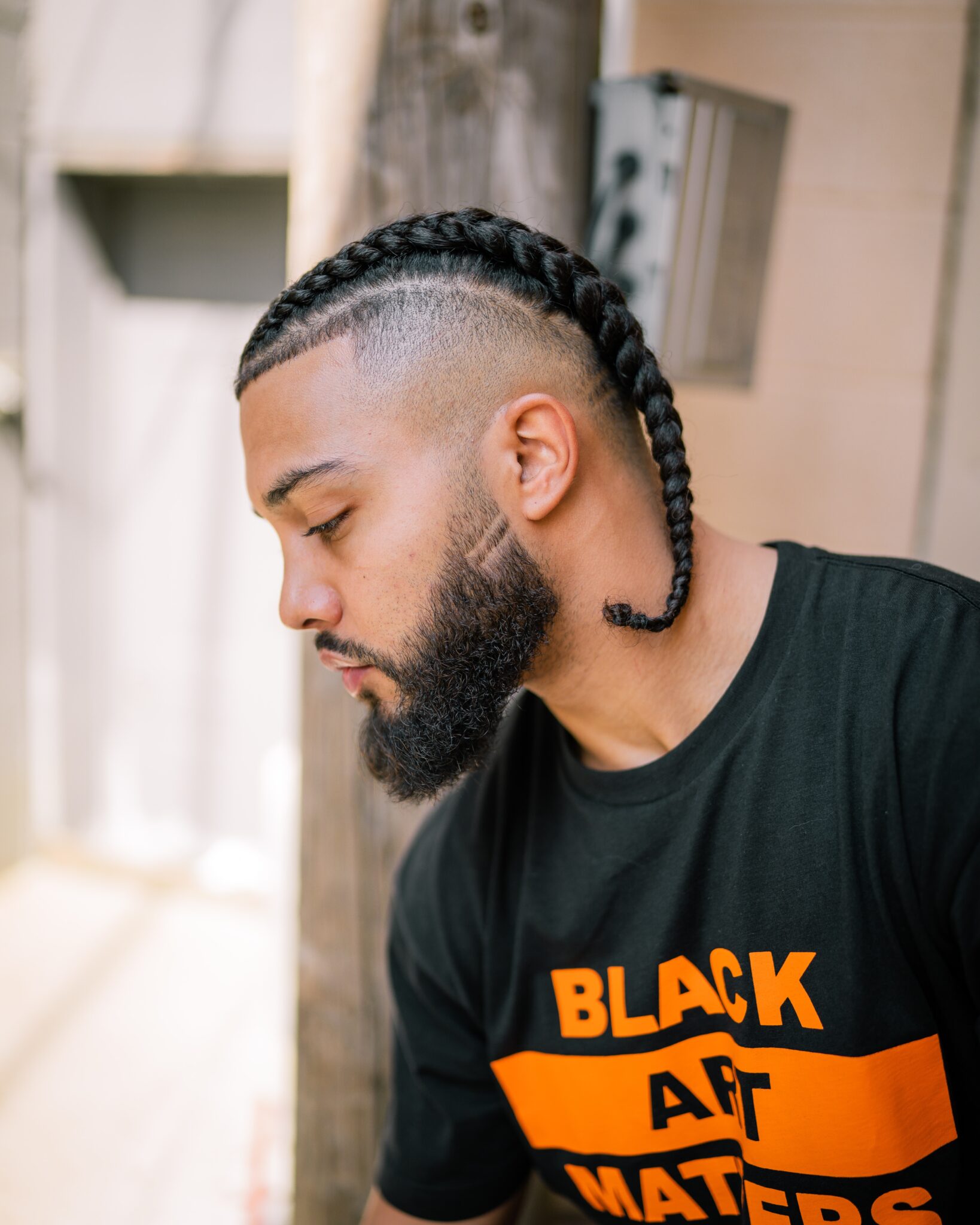 Traction alopecia is caused by activities that involve pulling the hair too tight on a frequent basis. This includes wearing overly tight hairstyles, such as ponytails and cornrows, using hair extensions or weaves, tightly wrapping hair in rollers overnight, and wearing tight hats all day long.
People who wear extensions and weaves are also at risk of developing traction alopecia if the hair is not properly cared for and maintained. If a tight hairstyle is worn, it’s important to take breaks between wearing them choosing loose styling techniques to minimize tension on the scalp, as well as using gentle products and taking extra care when brushing, shampooing, or styling the hair.
Wet is Extra Risky
When styling wet hair, it is important to be gentle and avoid pulling or stretching as it is more 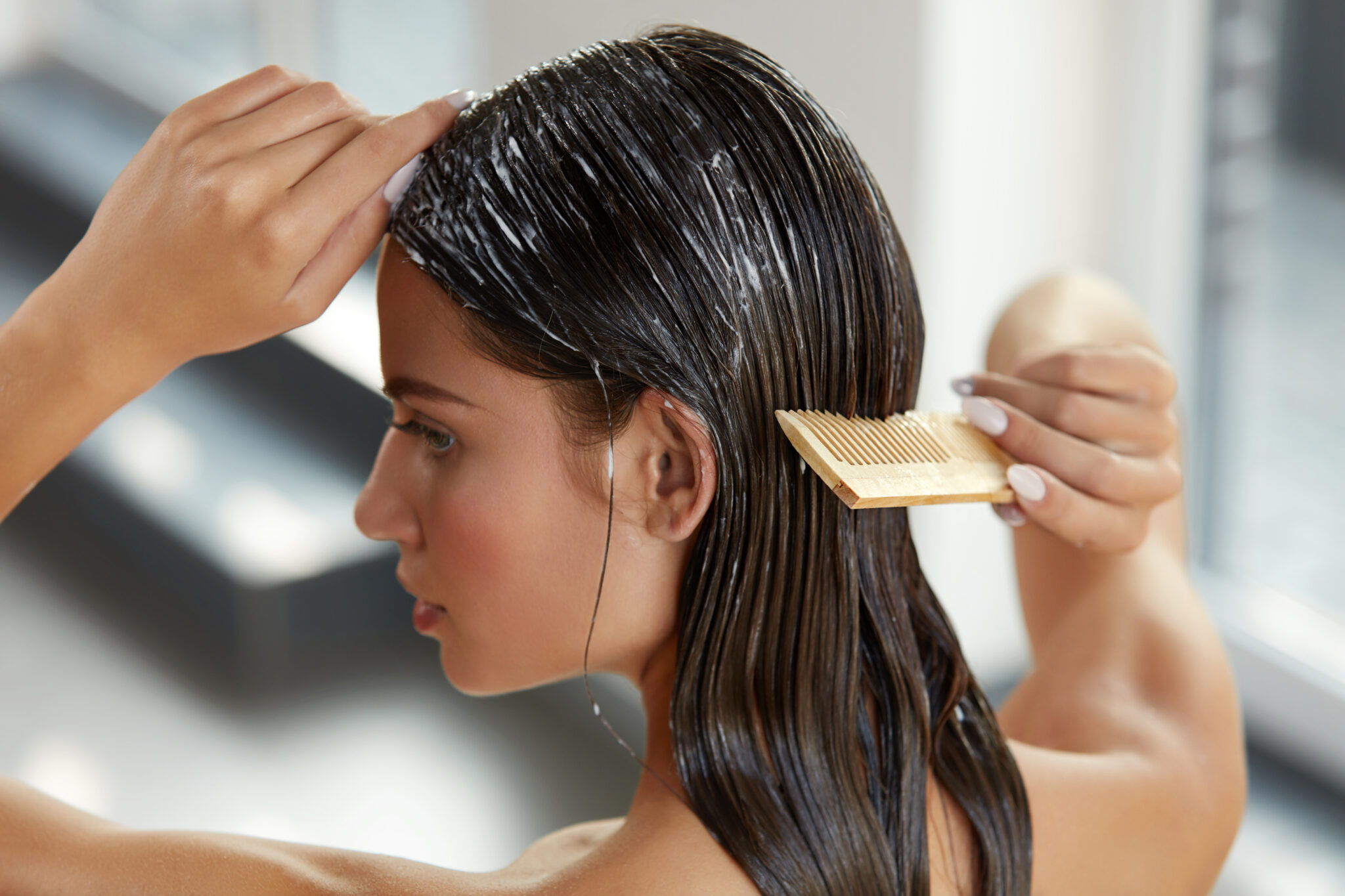 fragile and elastic than dry hair, making it more prone to damage.
Studies have found that wet hair can stretch up to 30% more than dry hair before breaking, but if it is braided when wet and then contracts as it dries, it will exert excessive pressure of the hair follicle.
Remember also, that wet hair has a higher pH level and is more vulnerable to breakage due to the cuticle surface being raised. To prevent damage when styling wet hair, use wide toothed combs or brushes and avoid aggressive brushing.
The Symptoms
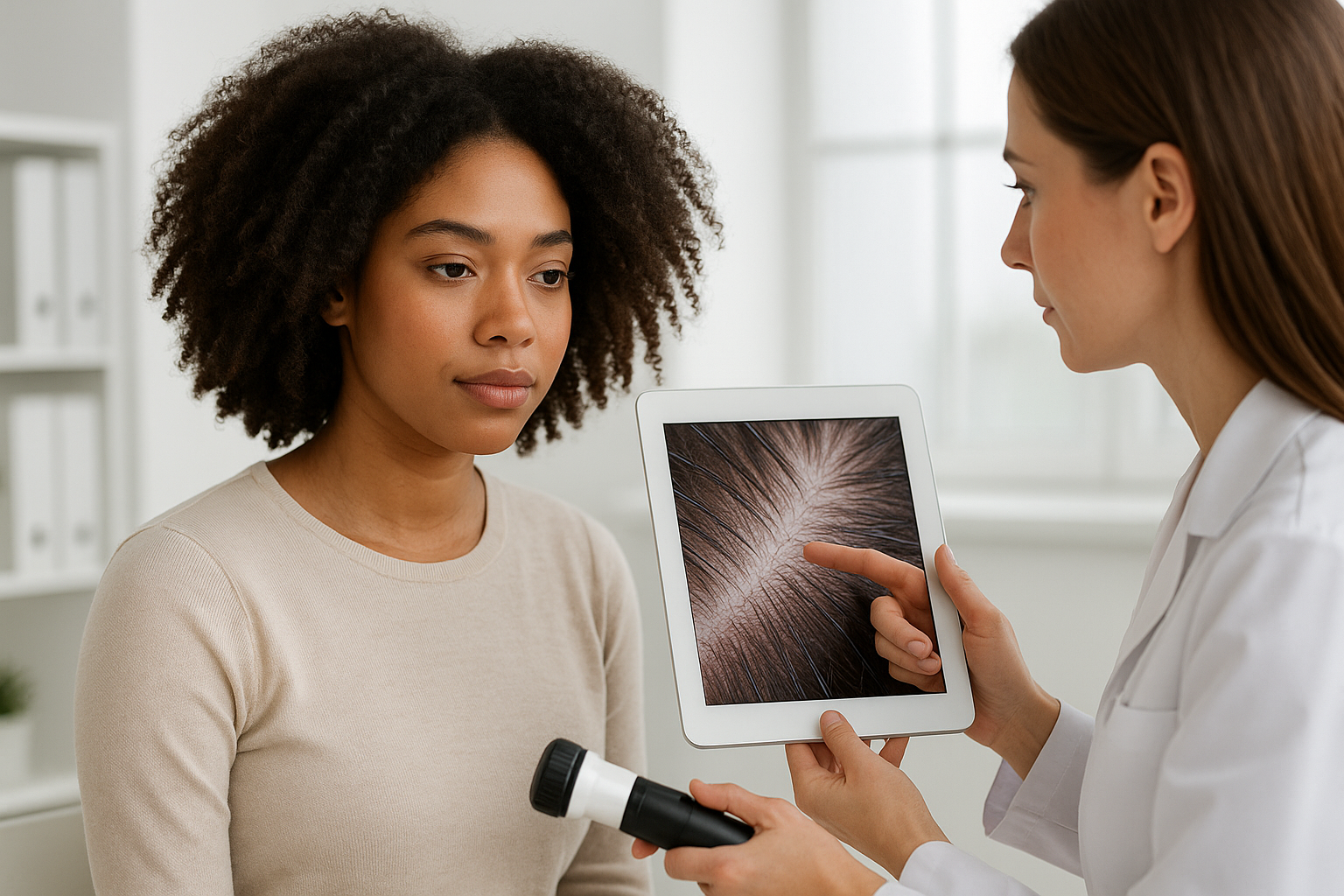
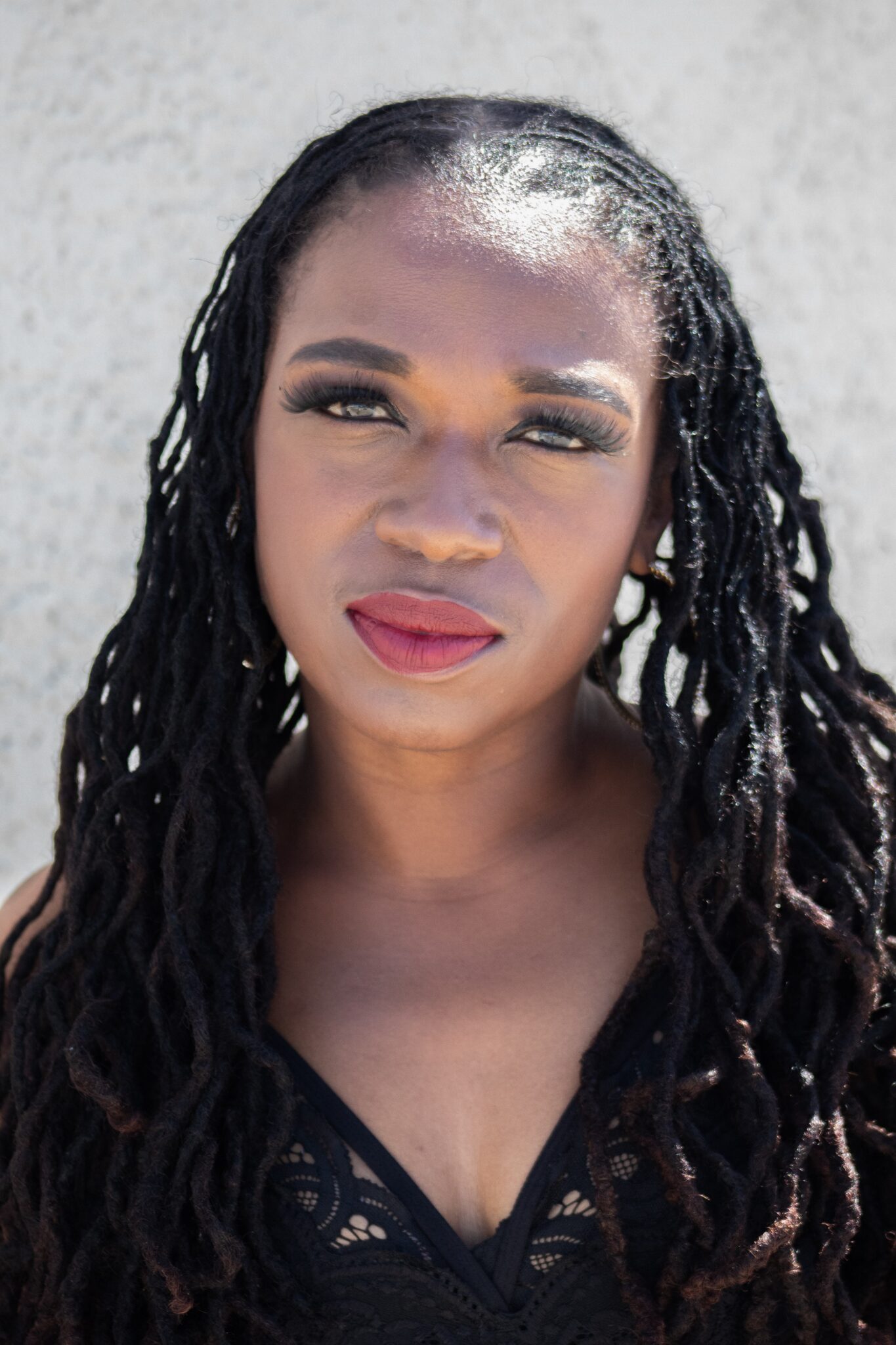 Traction alopecia can be difficult to diagnose, as many of its symptoms are shared with other diseases and conditions. Some of the most common signs of traction alopecia include:
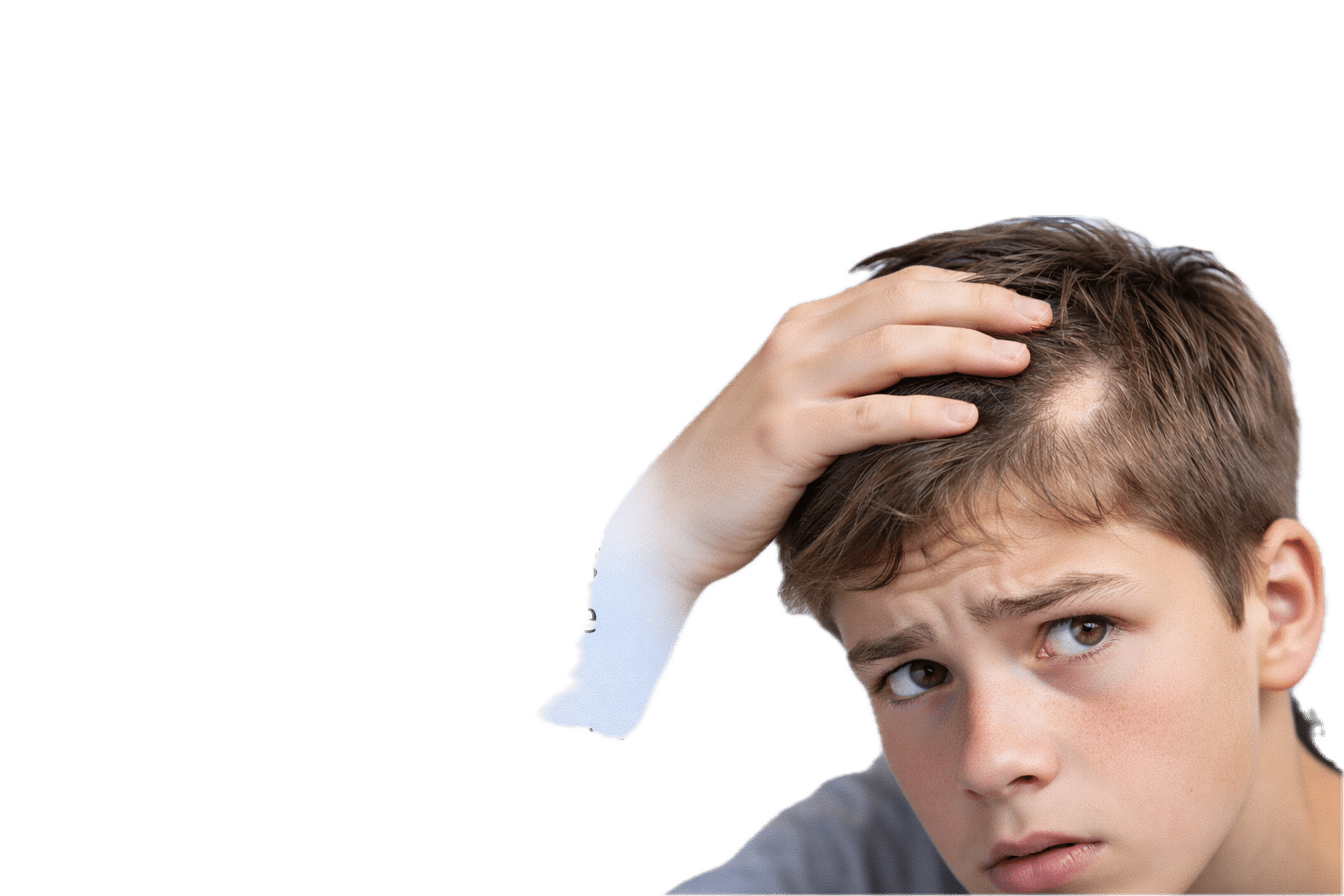
- Thinning hair in areas prone to traction such as the temples, sides, and back of the scalp
- Soreness, redness, and inflammation of the scalp.
- Inflammation Of the Hair Follicles, Known as Folliculitis
- Small bumps or blisters on the scalp that can be filled with pus.
- Itching or flaking in affected areas.
- Hair breakage around the hairline or other parts of the scalp.
Tips for preventing traction alopecia:
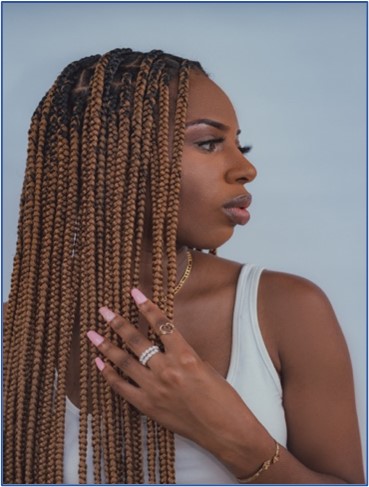
- Avoid tight braids, ponytails, weaves, buns, and other hairstyles that pull on the scalp.
- Take breaks between styling to give the scalp a break.
- Choose hairstyles that don’t cause tension on the scalp, such as loose buns or braids.
- Use gentle products when shampooing and conditioning hair.
- Avoid using heat tools like curling irons and blow dryers on a regular basis.
- Use a wide-toothed comb when brushing and styling hair.
- Visit a dermatologist or trichologist for treatment if you experience prolonged traction alopecia.
Prevention – The Best Remedy
Overall, traction alopecia is a serious condition that can cause long-term hair loss if not treated properly.
If you experience any of these symptoms, it is important to seek medical advice as soon as possible.

Early intervention can significantly reduce the long-term effects of traction alopecia and protect your scalp and encourage healthy hair growth.