Blog
Diabetes and Hair Loss


by Cynthia Jones, WTS
Email: universaltrichology@yahoo.com
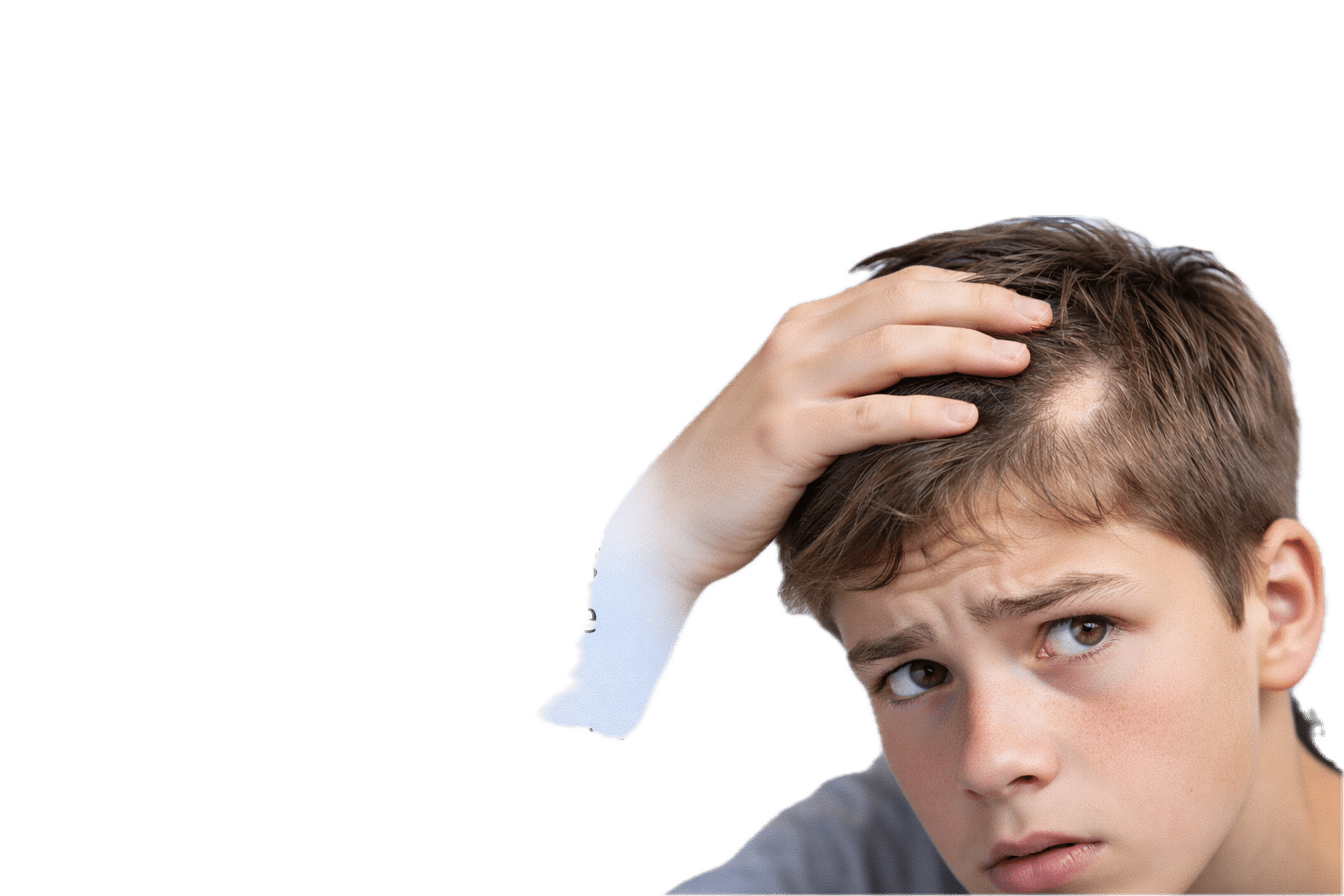
 Diabetes is a disease that affects your body’s ability to produce insulin. Insulin is a hormone created in the pancreas that allows your body to utilize glucose (sugar) from carbohydrates. The insulin moves those sugars from the bloodstream to the cells, where they are used as energy or stored for later use. When your body turns the food you eat into energy, insulin is released to help transport this energy to the cells. If you have diabetes, either your body doesn’t produce this vital hormone (type 1 diabetes), it doesn’t use it affectively (type2 diabetes), or both. This can result in a buildup of sugar in the bloodstream. As a result, excess sugar can cause hair loss.
SOME OF THE POTENTIAL CULPRITS ARE:
Hormonal Imbalance – Uncontrolled diabetes can cause a disruption of your body’s hormones which can affect hair health and hair growth. Fluctuating hormone levels due to diabetes can negatively affect the generation process of hair follicles and lead to hair loss.
Poor Circulation – When follicles don’t get the nutrients needed, hair growth can be affected.
Immune System Deficiency – Autoimmune disorders such as diabetes, occur when the immune system accidentally attacks healthy tissues, thinking they are foreign invaders which can result in disrupted hair growth cycle.
Emotional Stress – Stress from being a diabetic and chronic emotional stress in several studies have linked severe psycho-emotional stress to the onset of hair loss.
Medication – A variety of different medications to treat diabetes such as, Atenolol, Metoprolol, Nadolol, Propanolol, Timolol are associated with hair loss.
Thyroid disease is quite common in people with diabetes, which can cause hair loss.
Infections – diabetics are more prone to infections, and with a reduced ability to fight infection, this can disrupt the growth cycle.
Alopecia areata is a condition in which the immune system begins to attack healthy hair follicles by mistake. People with type 1 diabetes are more likely than people without this condition to develop alopecia areata.
THE MOST EFFECTIVE WAY TO HELP KEEP YOU HEALTHY AND SLOW OR STOP HAIR LOSS IS TO;
1st Step, always consult your doctor. Your Doctor and Trichologist together can give suggestions about diet and lifestyle which may help with your blood sugar.
Take medication as directed by your doctor.
Monitor your blood levels regularly.
Exercise – Daily exercise, this will help reduce your blood levels and improve the delivery of oxygen to your hair follicles. Exercise will also relieve stress, and lead to a higher energy level.
Nutrition – Eat a balanced diet which may include Salmon, almonds, sweet potatoes, eggs and oats. Drink 8-ounce glasses of water daily. Eating a well-balanced diet that contains the 13 essential vitamins can help maintain the health of your hair.
Vitamin B7, also called biotin, Vitamin B3, also called niacin, Vitamin C, Vitamin D and minerals such as Zinc and Iron provide essential nutrients that may help with hair loss.
Low Level Laser Therapy – stimulates the hair follicles and increases blood flow which promotes hair growth.
FDA Approved hair growth drugs Minoxidil (Rogaine) and Finasteride (Propecia) may help with hair growth.
Join a support program. Based on findings of a study presented at the World Congress on Insulin Resistance, Diabetes & Cardiovascular Disease in Universal City, California, when you join a support program, it can help you manage your medication routine much better. It may also help you improve your diet, exercise and other behaviors that impact your diabetes management.
For assistance for finding support groups go to American Diabetes Association website.