Blog
The Benefits and Risks of Formaldehyde in Hair Products

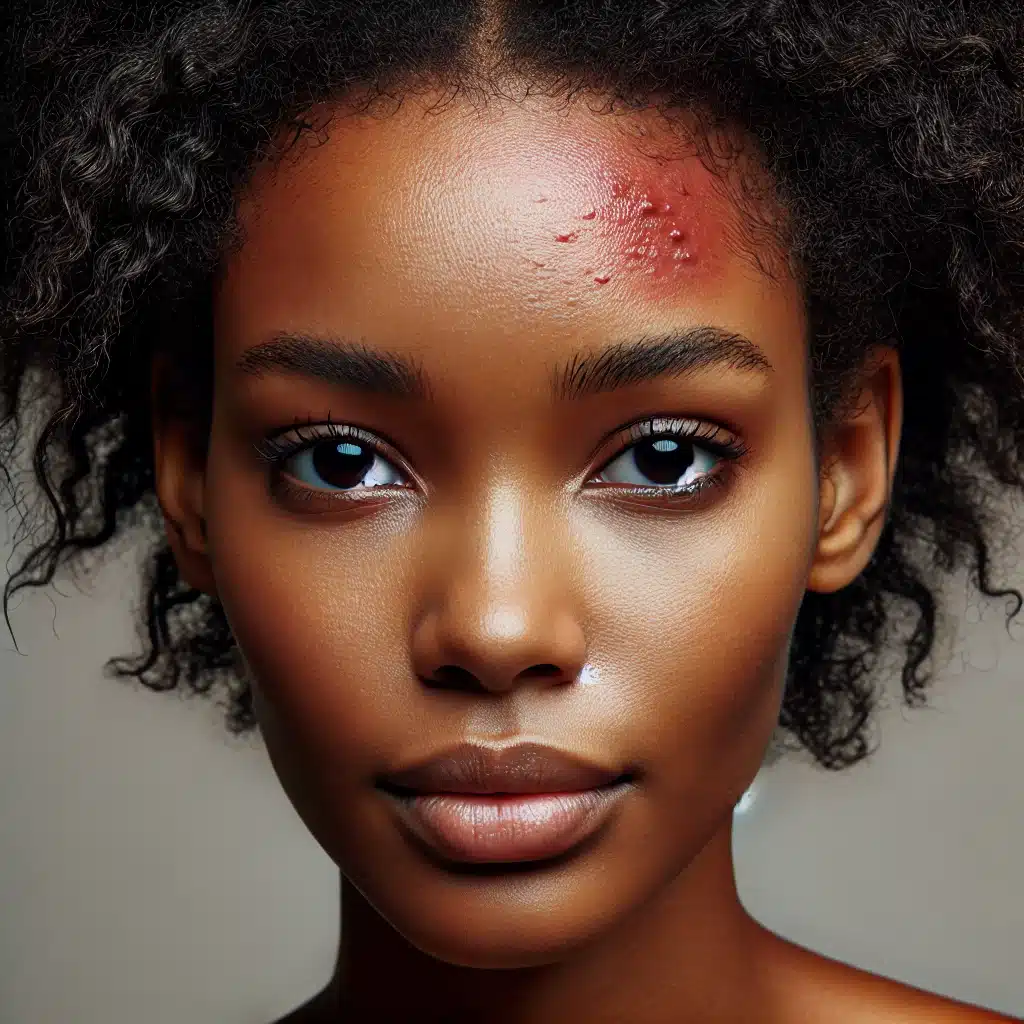

Formaldehyde, a chemical compound with preservation properties, is commonly used in hair straightening and smoothing products. Its ability to fend off bacteria, yeast, and mold helps extend the shelf life of these products. However, the risks associated with formaldehyde exposure have raised significant health concerns, leading to ongoing debates and regulatory actions.
Health Risks of Formaldehyde
Formaldehyde is a known carcinogen. The National Toxicology Program officially listed it as a human carcinogen in 2011, linking it to various cancers, including uterine, ovarian, and breast cancer. A 2022 study by the National Institutes of Health revealed that women who frequently use hair straighteners containing formaldehyde have a 4.05% risk of developing uterine cancer by age 70, compared to 1.64% for those who never used such products. This risk is particularly pronounced among Black women, who are more likely to use these products from a young age (Verywell Health) (University of Utah Healthcare).
In addition to cancer risks, formaldehyde exposure can cause a range of immediate health issues. These include headaches, asthma, skin irritation, and respiratory problems. The chemical is released into the air as a gas during hair treatments, especially when heat is applied, posing risks to both salon workers and clients if the area is not well-ventilated【10†source】.
 Benefits of Formaldehyde
 Benefits of Formaldehyde
Despite its risks, formaldehyde’s use in hair products stems from its effective preservation capabilities. It helps maintain the product’s integrity by preventing microbial growth, thus extending the product’s usability. This preservation is crucial for products that need to remain stable over long periods (The Right Hairstyles).
Regulatory Actions and Delays
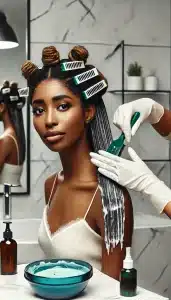 The FDA has been aware of the dangers posed by formaldehyde in hair products for years and has issued warnings to consumers about the risks. In recent years, the FDA has been working towards a formal ban on formaldehyde and formaldehyde-releasing chemicals in hair-smoothing products. However, this process has faced several delays. Initially set for April 2024, the target date for proposing the ban was pushed to July and then to September 2024. The FDA has stated that the complexity of the rulemaking process, which requires thorough review and approval within the agency and other parts of the federal government, is the reason for these delays (Rolling Out) (Atlanta Daily World).
The Role of the FDA
The FDA’s role in regulating formaldehyde in hair products involves conducting risk assessments and reviewing scientific data. The agency aims to ensure that consumer products are safe for use and do not pose unreasonable health risks. Despite the delays, the FDA continues to prioritize this issue, recognizing the significant health risks associated with formaldehyde exposure (University of Utah Healthcare) (The Right Hairstyles).
Alternatives and Consumer Action
As the regulatory process unfolds, consumers are advised to stay informed and vigilant about the products they use. Reading ingredient labels and opting for formaldehyde-free alternatives can reduce exposure risks. Some salons now offer organic hair smoothing systems that avoid harmful chemicals. Embracing natural hair textures and seeking guidance from hair care professionals can also be beneficial (Verywell Health) (The Right Hairstyles).
Remain Proactive
Formaldehyde in hair products presents a clear risk to consumer health, particularly for those frequently using hair straightening treatments. While the FDA’s proposed ban represents a significant step towards safer beauty practices, ongoing delays highlight the challenges in regulatory processes. Consumers must remain proactive in protecting their health by choosing safer products and staying informed about potential risks. The FDA’s commitment to addressing these risks underscores the importance of regulatory oversight in ensuring public health and safety.