Blog
From Skin to Scalp


How Skincare Innovations are Transforming Haircare

Introduction
The haircare and skincare markets are increasingly converging, with trends in one segment influencing the other. This intersection is driven by technological advancements, changing consumer preferences, and innovative product developments. As skincare products become more sophisticated, their influence on hair and scalp care is growing, leading to a blending of categories. This article explores the mutual influence between haircare and skincare, examines specific examples and technologies, discusses the implications for the hair loss industry, and highlights the growing influence of Asian markets in this space.
The Influence of Skincare
 The skincare market, with its focus on anti-aging, hydration, and protection, has significantly impacted hair and scalp care products. Consumers now expect the same level of sophistication and efficacy in their haircare routines as they do in skincare. This shift is evidenced by the introduction of ingredients and technologies traditionally associated with skincare into haircare formulations.
For instance, L’Oréal’s Revitalift line, known for its anti-aging properties, has expanded to include hair care products that promise similar benefits for the scalp and hair. Ingredients like hyaluronic acid, previously a staple in moisturizers and serums, are now being incorporated into shampoos and conditioners to provide hydration and plumpness to the hair shaft. The inclusion of antioxidants such as vitamin C and E, which protect the skin from environmental damage, is now common in haircare products to safeguard against pollution and UV rays.
Scalp Care as Skincare
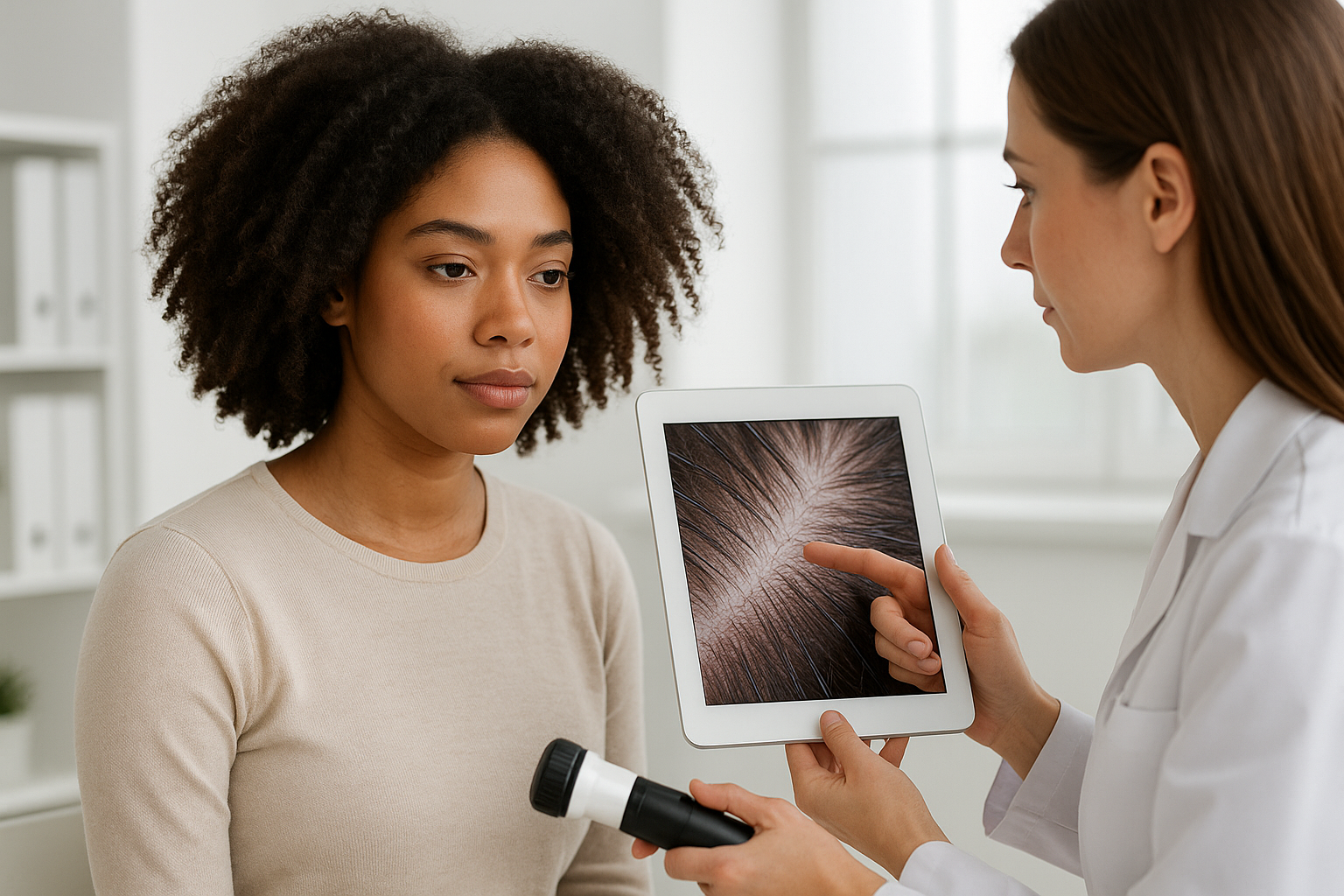
 The scalp is increasingly being recognized as an extension of the skin, not just a supporting structure for hair. This shift in perception has led to the development of scalp care products that mirror skincare formulations. A healthy scalp is essential for healthy hair growth, and many brands are capitalizing on this connection.
Products such as the Oribe Serene Scalp Balancing Shampoo and the Briogeo Scalp Revival Charcoal + Coconut Oil Micro-Exfoliating Shampoo exemplify this trend. These products use ingredients like salicylic acid to exfoliate the scalp, similar to facial exfoliants, and coconut oil to nourish and hydrate. Additionally, the use of niacinamide, a popular skincare ingredient known for its anti-inflammatory properties, is now being incorporated into scalp treatments to soothe irritation and promote a healthy scalp environment.
Technologies Driving Convergence
Technological advancements are a significant factor in the blending of haircare and skincare. Devices and tools originally designed for skincare are now being adapted for use on the scalp and hair. L’Oréal’s UV Sense, a wearable device that measures UV exposure, was initially developed for skin protection but has applications for the scalp, providing insights into sun damage and encouraging protective measures.
Similarly, the Colorsonic by L’Oréal, initially designed for precise and mess-free hair coloring, highlights the trend of integrating high-tech solutions into haircare routines. This device utilizes a unique brush and cartridge system to ensure even application, much like how precision tools in skincare deliver targeted treatments.
Brands Leading the Charge
Several brands are at the forefront of this convergence, leveraging their expertise in skincare to innovate in haircare. Procter & Gamble’s Olay, a leader in anti-aging skincare, has extended its scientific research to develop the Pantene Pro-V Miracles line, which targets scalp health and hair vitality using skin-nourishing ingredients. Unilever’s Dove DermaCare Scalp series combines dermatological care with haircare, addressing dandruff and scalp sensitivity with a skin-first approach.
Nutrafol, known for its supplements targeting hair health, incorporates marine collagen and ashwagandha, ingredients that benefit both skin and hair. Their holistic approach underscores the growing recognition that hair health is intrinsically linked to overall wellness, a concept long embraced in skincare.
The Role of Nutritional Supplements in Skin and Scalp Wellness
 In addition to external treatments, nutritional supplements play a significant role in promoting skin and scalp wellness. Supplements provide essential nutrients that support the body’s natural processes, leading to healthier hair and skin. Viviscal Pro is a popular supplement that has garnered attention for its efficacy in improving hair health. It contains AminoMar® marine complex, a blend of marine proteins, along with key ingredients such as biotin, vitamin C, and zinc. These components work together to nourish the hair follicles, improve scalp health, and promote stronger, thicker hair growth. By addressing nutritional deficiencies and enhancing the body’s internal environment, Viviscal Pro helps maintain optimal hair and scalp condition, making it an excellent addition to a comprehensive hair care regimen, especially during hot weather when additional stressors can affect hair and skin health.
The Growing Asian Influence
 Asia, particularly South Korea and Japan, has long been at the forefront of skincare innovation. The global influence of K-beauty and J-beauty trends is now extending to haircare, with a focus on advanced formulations and holistic wellness.
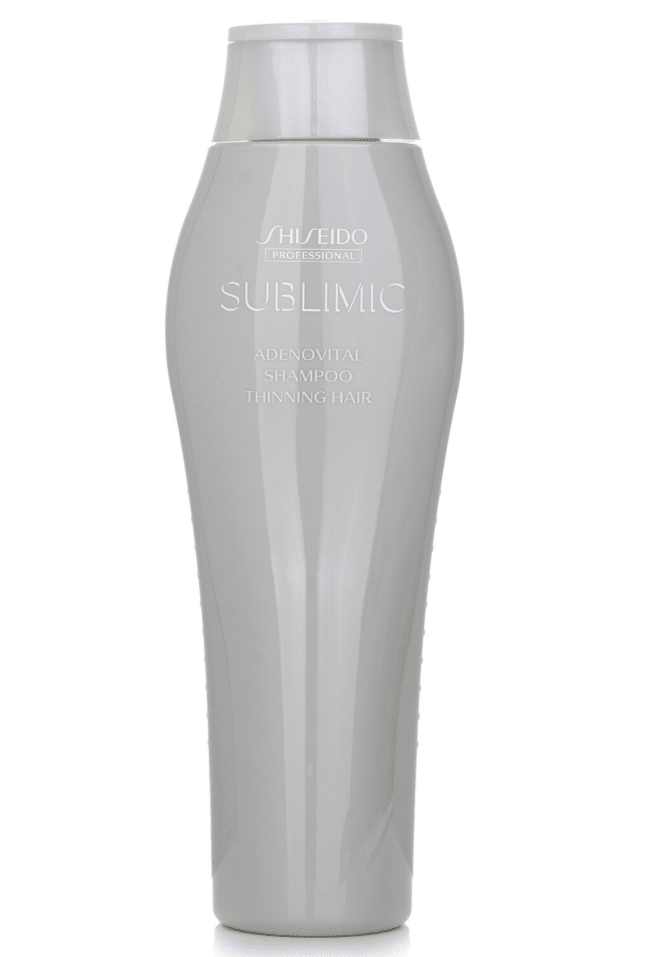
Asian brands like Shiseido and Amorepacific are leading the way in integrating skincare principles into haircare. Shiseido’s Professional Sublimic line includes products that treat both the scalp and hair with skincare-like precision, utilizing ingredients such as Japanese camellia oil and hyaluronic acid. Amorepacific’s Ryo haircare line incorporates traditional Asian medicinal herbs to promote scalp health and hair growth.
According to a report by Mintel, the global haircare market is projected to reach $102 billion by 2024, with Asia-Pacific accounting for the largest share(Mintel, 2023. This growth is driven by an increasing consumer awareness of scalp health and the demand for multifunctional products.
Statistics and Research
 Research supports the growing trend of treating the scalp as an extension of the skin. A study published in the Journal of Investigative Dermatology found that a healthy scalp microbiome is crucial for preventing hair loss and promoting hair growth(Journal of Investigative Dermatology, 2022. This has led to the development of products that balance the scalp’s microbiome, similar to how probiotics are used in skincare.
Additionally, a survey by Nielsen found that 55% of consumers are interested in products that offer both hair and scalp benefits, indicating a strong market demand for these innovations(Nielsen, 2023).
Risks and Consequences
While the integration of skincare principles into haircare presents numerous opportunities, it also poses risks. One significant concern is market saturation, where the blurring of lines between categories could lead to consumer confusion. Additionally, the influx of new products claiming multifunctional benefits might dilute brand identities, making it challenging for consumers to distinguish between products specifically designed for hair or skin.
Another risk is the potential for regulatory challenges. As haircare products incorporate more active ingredients traditionally found in skincare, they may face stricter scrutiny from regulatory bodies. Ensuring safety and efficacy while navigating these regulations could increase costs and complicate product development.
Strategies for the Hair Loss Industry
To counteract the risks posed by the increasing influence of the skincare market, the hair loss industry should adopt several strategies:
- Innovation and Differentiation: Companies should focus on innovative formulations that address specific hair loss concerns while differentiating their products from skincare. Emphasizing unique ingredients or proprietary technologies can help maintain distinct brand identities.
- Education and Transparency: Providing clear information about product benefits and uses can help mitigate consumer confusion. Educational campaigns highlighting the science behind hair loss and the efficacy of specialized treatments can build trust and loyalty.
- Regulatory Compliance: Staying ahead of regulatory changes and ensuring compliance can prevent potential setbacks. Investing in research and development to validate product claims will be crucial for maintaining credibility.
- Holistic Approach: Embracing a holistic approach that considers overall health and wellness can appeal to consumers seeking comprehensive solutions. Integrating supplements, topical treatments, and lifestyle recommendations can create a well-rounded offering.
- Collaboration and Partnerships: Partnering with skincare brands to co-develop products or technologies can leverage mutual expertise and expand market reach. Collaborative efforts can lead to innovative solutions that benefit both segments.
Is skin care the roadmap?

The convergence of haircare and skincare markets is reshaping the landscape of personal care products. While skincare trends are increasingly influencing hair and scalp care, the hair loss industry has opportunities to innovate and differentiate. By focusing on education, regulatory compliance, and holistic solutions, haircare brands can navigate this evolving market and continue to meet consumer needs effectively. The future of haircare lies in embracing these changes while staying true to the specialized needs of hair and scalp health.