Blog
Success Story


How One Company Grew to a Regional Powerhouse – JA Alternatives
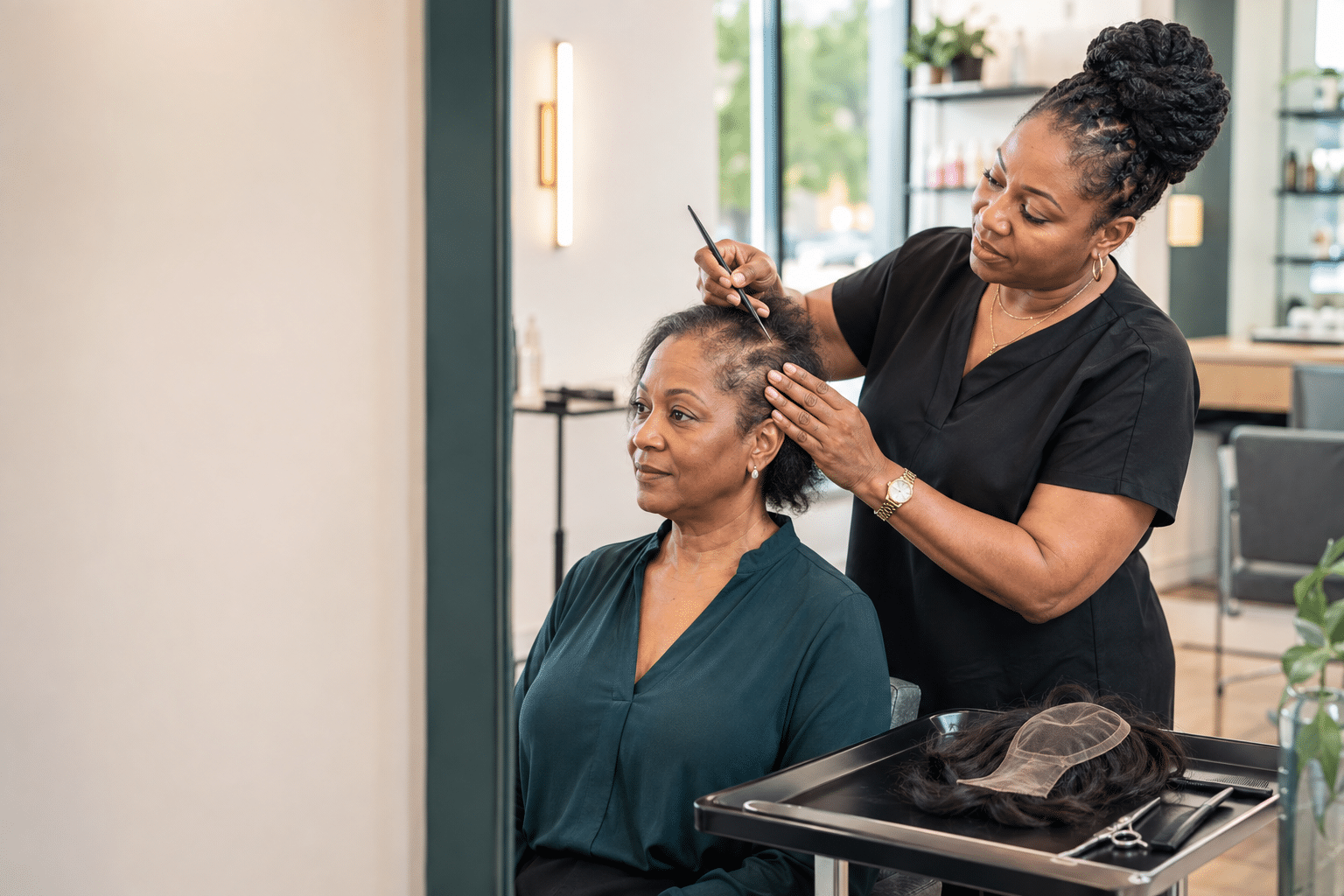
JA Alternatives was founded nearly 30 years ago by Jane Genesi. The first location was opened in River Edge NJ. Today the company has 90 employees and offers personalized hair and skin service in eight centers serving the US East Coast. J.A. Alternatives is committed to solving the problem of hair loss for men and women non-surgically and combines a fresh, honest sales approach with cutting edge technology.
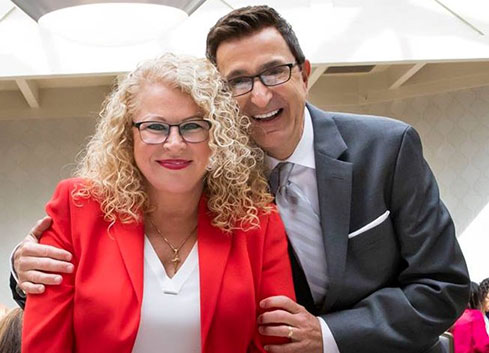
J.A. Alternatives founder, Jane Genesi, had already acquired both her hairdressers license and apprentice Barbering license by the age of nineteen and was quickly snapped up by a new hair loss startup, Hair Replacement Centers (HRC). While working with HRC, Jane continued to build her personal care skills, training with Helena Rubinstein, Matchabelli and Estee Lauder in make-up and skin care. HRC later morphed into Hair Club for Men (HCM) and Jane became part of the team that helped grow Hair Club into a regional and then national franchise operation. When Hair Club decided to discontinue working with women and focus exclusively on their growing men’s’ hair loss clientele, Jane decided to branch out on her own and use her new skills to offer an expanded range of personal care options to both men and women.
Today, J.A. Alternatives offers Permanent Make up for hair loss as well as eyebrows, eyeliner, lips and camouflage make up and areola reconstruction for breast cancer survivors. The company also uses permanent make up for hair strokes to fill in backs and sides as well as micro dots to simulate shaved heads. This is an alternative for clients who are ready to take off their hair but do not wish to appear bald.
Jim McGowan was a key player in the company’s growth and as its marketing needs increased, Jane invited him to become her business partner. Today, J.A. Alternatives has 90 employees and offers personalized hair and skin service in eight centers serving the US East Coast.
The Hair Authority met with Jane and Jim to learn about the company’s rapid expansion.
Hair Authority: You are starting 2019 on an exciting platform by adding several new studios to your network. What is significant is that this expansion came about not because you were aggressively seeking to acquire new businesses, but because their owners came to you as a result of your reputation and connections in the industry.
[rml_read_more]
Jim McGowan: We have been fortunate in joining together with some very impressive companies. We didn’t have a blueprint for these acquisitions and, as you pointed out, they were not part of our original business plan. In fact, each one of these acquisitions was unique and individual. They definitely weren’t a one-size-fits-all. That’s what helps make J.A. Alternatives agile and unique.

Jane Genesi and Andy Alfieri of Alfieri Hair replacement NY
H. Authority: What is happening in the marketplace that makes business owners want to explore new partnership relationships? Ate they looking for operating efficiencies by pooling resources, or do they need specialist skills to cope with a market that has become too complex?
Jim G: In the case of our most recent acquisition, there were two main reasons. The owners were looking for partners to alleviate the loneliness and isolation of owning a small business, and they were getting ready to retire.
H. Authority: Transitioning a hair replacement business from the original owners to a new team is never an easy as it seems.
Jim G: Jane and I have watched so many of our friends work extremely hard and grow their businesses over the span of decades. However, after 25, 30, and sometimes 40 years, they’re ready to retire, but realize they haven’t made a business plan to do so. It’s very difficult to sell a hair replacement business because there are risks involved, including the obvious risk, the transfer and possible loss of customers. Many business owners hit retirement age and realize they may not be able to value or monetize their business after all those years of hard work.
H. Authority: It’s not only a question of money. There’s also a personal history. The business is also part of “Who I am.”
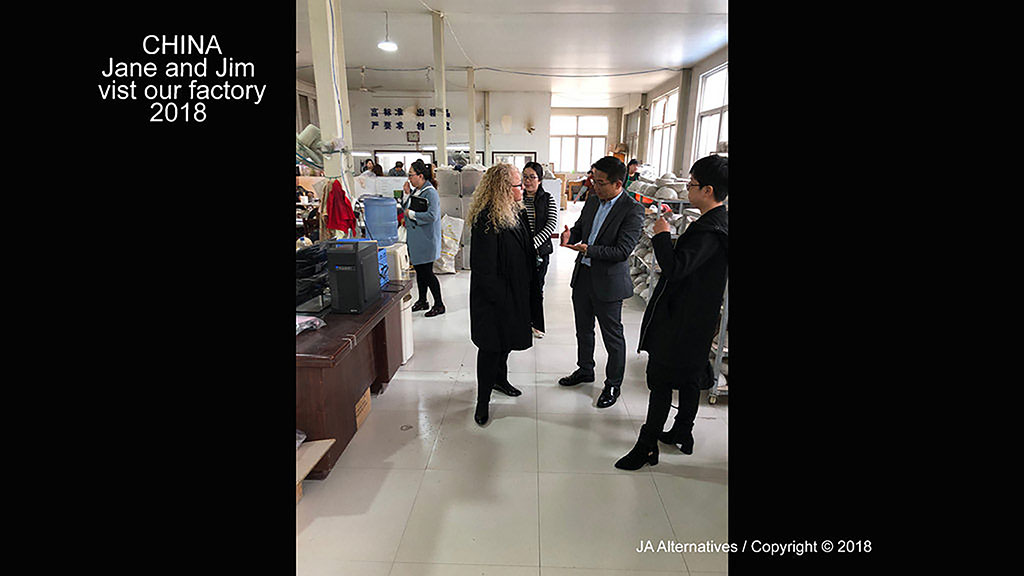
Jane Genesi: You are right. There’s also an emotional side to handing over control of your business. For many small business owners, the company becomes their social life as well as their business life. It’s isolating. They feel no other person can care as much about their clients or staff as they do. This is where Jim and I come into play. We think it’s much less isolating when you have a business partner to lean on.
Jim G: We realized that dealing with the emotional side of acquiring a business is extremely important and has to be addressed early on. It’s important to figure out right at the start what an owner actually wants to achieve. As you pointed out, it’s not just the money. We take the time to understand the owner’s needs and wants, and then try to alleviate any fears. There’s a lot of fear involved in selling your business as it’s been the owner’s baby for many years. To let that go and to put it in someone else’s hands requires a lot of trust.
H. Authority: What you’re describing is very different to a typical corporate approach that typically applies a multiple-to-earnings, or the number of clients with long-term service plans to compute the businesses’ value. You have a personal approach that makes it easier for small business owners to connect to.
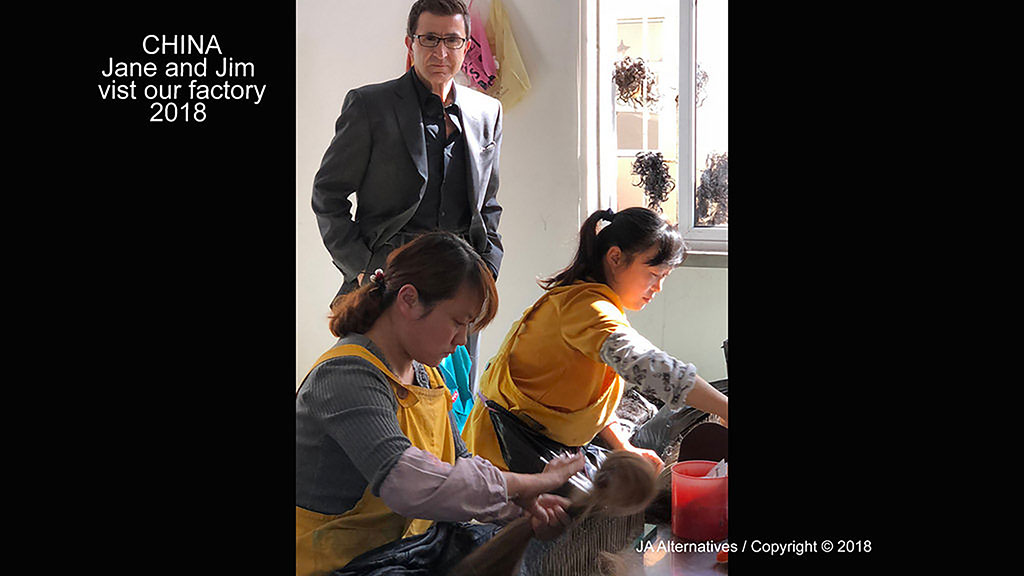
Jane G: If we were dealing with a very large company, our approach might be different. But when you’re dealing with owners who know the first and last names of not only every client, but their wives and their children, it is very personal. Owners are often surprised that the first things we address are: “How does your family feel about you selling the business?” or “Have you spoken to your staff yet about this?” 99% of the time, they haven’t spoken to their staff about selling because they were concerned about their staff panicking, leaving, and taking clients with them. There are a lot of moving parts that need to be addressed during an acquisition and the transition has to be seamless.
Jim G: Large corporations often approach small business acquisitions as a bookkeeping analysis, not a personal journey. We pride ourselves in our personal approach and our flexibility to work around an owner’s wants and needs. Some owners want to get out of the business right away while others just want to dial back their involvement in the daily chore of running the business but want to continue doing hair. What makes us unique is that we are happy to work with an owner and we’re very flexible.
Jim G: Since you asked earlier, “Why us?” I just wanted to circle back because that’s an interesting point. We’re a big/small company. We’re kind of in the middle. Sometimes that’s an advantage and sometimes it’s a disadvantage. For instance, our size doesn’t always allow us to make decisions as quickly as we might like, but those same resources give a one-owner company a lot of support and unburden them since we have a multitude of connections and experience that can really benefit them.
Jane G: Consider not having to worry about rent, payroll, insurance, client satisfaction, hair orders, or product orders. Can you imagine if you just had to walk in and do hair? Many owners dream of being able to do that again, rather than focusing on what the profits are for the year.
H. Authority: We hear that often. What you just described supplies the missing bits for so many business owners. They can get marketing materials from their distributor; they can join a group like Transitions and huddle with other people to share common problems. But that doesn’t provide all the other support infrastructure that can free them from back office work and let them get back to what they are passionate about, which is simply doing hair.
Jim G: I’d also like people to know that they have an exit strategy with us. They can be as involved as they want. For example, Stella Neste, who owned, “Then and Now Hair Replacement Company”, called me one day and said, “I’m getting ready to retire. I’m bringing you my clients.” And I said, “Wait a minute, there’s a better way.”

Jane Genesi and Gail Robson of Boca Raton Hair Center
Jane G: So, we struck a deal and started servicing her clients. Then, after a couple of days working together, she said, “You’ve got this under control, Jane. You know what you’re doing. My clients are being taken care of. I’m heading out.” Stella then went ahead, “headed out” and sold us the company.
H. Authority: You had the flexibility to work with Stella without upsetting her comfort level.
Jane G: I think it’s important that we are able to move as quickly or as slowly as needed. It makes things more comfortable when you give people time to decide.
H. Authority: But this is a two-way relationship. It has to be a good fit for you as well.
Jane G: The ideal situation is when we can move a business into one of our existing offices. Then it becomes much more cost-effective for us and for the owner to simply merge our businesses. The clients feel a little bit more comfortable too when they hear that we’ve merged offices, we’re sharing rent, and we’re sharing expenses.
Jim G: The word “Acquisition” always sounds a little cold to us. An acquisition seems like: “You’re ours now. We bought you.” Clients don’t want to hear that. They want to know that nothing is going to change.
H. Authority: Do you create hybrid names when you acquire an established business, or do they adopt your identity?
 Jane G: If It depends on the size of the company. For now, three or our offices maintain their original names on their websites. For example, with Andy Alfieri, we thought it was important to keep his company name front and center. So, we kept his website up and active. We even answered the phones d using the Alfieri name for an extended transition period before switching to J.A. Alternatives. In Boca Raton, Florida, we took a different approach. The owner, Gail Robson had such good name recognition that we opted to keep that name and a create a hybrid. So, it all depends on the size of the company, but generally speaking, studios keep their identity, but become part of the J.A. Alternatives network.
H. Authority: Everybody wants to associate with a winner. How do you reassure people that you are the partner who’s going to bring them success?
Jane G: Our track record speaks for itself. We offer four case histories that illustrate how we work, and we invite anyone to call any one of these centers to see how they’ve been treated since they associated with us. Just call unsolicited and ask, Did J.A. Alternatives do everything the contract stated? Are you happy with them? Do you like their philosophy? Are they fair? Are they honest? How do they treat staff? How do they treat clients?” I think that far better than us blowing our own horn.
H. Authority: We’ve talked about the understanding, the ethics, and the humanity that you bring to a possible merger. Let’s look forward at an industry that is undergoing very rapid change, where there are new disciplines, increasing automation and new hair management technologies. Does J.A. Alternatives have a vision and the resources for this future?

Jim G: We see the women’s market as a big area of growth right now. We’re pushing the envelope and have brought on some coloring and hair cutting experts to work with us. Hair replacement has been notoriously behind the times in those areas. We plan to change that.
H. Authority: If someone reading this interview is thinking about “heading out” what do they do next?”
Jane G: Very simple. Call me directly. If we can help, it would be our pleasure. If not, we may be able to point them to someone who can. The first thing we would do is sign a nondisclosure agreement so that they know that we are serious about looking at their business, that we respect all the years of work that they’ve put in, and, most importantly, we respect their privacy. We have no desire to hurt a business. We’re all in this together!
About JA Alternatives – JA Alternatives was founded nearly 30 years ago by Jane Genesi. The first J.A. Alternatives location was opened in River Edge NJ and today there are a total of 6 locations throughout New York and New Jersey. Through the years Jane Genesi has remained dedicated to bringing the most advanced hair replacement technology and products to her clients. Jane realized early on the need to distinguish JA Alternatives from other hair replacement studios by developing unique products and services. J.A. Alternatives and Mr. Erwin Kupitz have designed a series of ultra-high-end hair replacements for men and women.
About Erwin H. Kupitz – For over 20 years Erwin has created hair additions for major motion picture companies in Hollywood. His personal hair replacement clients read like a who’s who list of Hollywood mega stars: Mel Brooks, Keanu Reeves, James Woods, Brendan Fraser, Mark Wahlberg, Tim Allen, Heather Locklear, Placido Domingo, Sir. Anthony Hopkins, Warren Beatty, Billy Zane, Lynn Whitfield, Neve Campbell, Anthony Quinn, Patrick Steward, Beyoncé Knowles, Jon Voight, Nathalie Portman, Wesley Snipes, Diana Ross, Jimmy Smits, Edward Norton, Minnie Driver, Jane Seymour, Ed Harris, Kiefer Sutherland, Antonio Banderas, Brad Pitt, Alicia Silverstone, Rebecca Romjin Stamos, Michael Nader, Rob Schneider, Arnold Schwarzenegger, Diahann Carroll, Matthew McConaughey, Andy Garcia, Gene Hackman, Ron Silver, Freddy Prince Jr., Shirley MacLaine, Sarah M. Geller, Mandy Moore, Angelina Jolie, Michael Caine, John Travolta, Tom Cruise, Stacy Keach, Leonardo Di Caprio, Benjamin Bratt, Jonathan Tucker, Brandy, Vin Diesel, Josh Harnett, Owen Wilson, Val Kilmer, Jack Nicholson, Jim Carey, Neil Sedaka, Hugh Jackman, Ron Silver, Freddy Prince Jr., Shirley MacLaine, Sarah M. Geller, Mandy Moor.